This article provides general educational information about sun protection and skincare. It does not constitute medical advice and should not replace consultation with a qualified dermatologist or healthcare provider. Individual skin conditions, medication interactions, and health circumstances require professional evaluation. For personalized UV protection recommendations, especially if you have a history of skin cancer, photosensitivity conditions, or are taking photosensitizing medications, consult a board-certified dermatologist.
Picture a typical weekday: you apply sunscreen before a morning beach walk, then assume you’re protected through your afternoon at home near the window. By evening, you notice new freckles appearing on your forearm that rested against the car door during your commute. This scenario exposes a critical gap in how most people understand UV protection—treating it as a seasonal, outdoor-only concern rather than a year-round physiological necessity.
Ultraviolet radiation operates on a cumulative damage model that doesn’t pause for cloudy days, winter months, or indoor environments. The 2025 consolidated CDC data reveals that an estimated 6.1 million people receive skin cancer treatment annually in the United States alone, generating $8.9 billion in medical costs.
Globally, the WHO ultraviolet radiation fact sheet documents that excessive UV exposure caused around 325,000 melanomas and 57,000 deaths in 2020.
The solution—broad-spectrum sunscreen applied correctly—sounds deceptively simple. The evidence consistently demonstrates that protection gaps stem not from product failure but from systematic user errors: insufficient quantity, irregular reapplication, and formulation mismatches with skin type that discourage daily compliance.
Your UV defense strategy in four essential actions
- Apply broad-spectrum SPF 30+ sunscreen daily, regardless of weather or indoor/outdoor plans (UVA penetrates windows)
- Use adequate quantity: approximately ¼ to ½ teaspoon for face and neck (most people apply only 25-50% of effective amount)
- Reapply every 2 hours during sun exposure, immediately after swimming or heavy sweating
- Choose formulation matching your skin: mineral (zinc/titanium) for sensitive skin, chemical for cosmetic elegance, hybrid for balance
Understanding these fundamentals matters because UV damage accumulates silently across decades. Unlike acute injuries that provide immediate feedback, photoaging and DNA mutations develop through thousands of micro-exposures that individually seem insignificant. A single day without sunscreen won’t visibly age you, but ten thousand such days create irreversible cellular changes.
The challenge isn’t absorbing this information intellectually—most people already know sunscreen prevents skin cancer and wrinkles. The obstacle lies in translating knowledge into reflexive daily behavior that persists through schedule changes, seasonal transitions, and product texture frustrations. This guide addresses that implementation gap by moving beyond abstract recommendations toward concrete protocols you can sustain.
Why UV radiation demands more than casual sun awareness?
The average office worker spends roughly eight hours daily within three meters of a window. During that time, UVA rays—the wavelength responsible for 80% of visible skin aging—pass through standard glass unimpeded while UVB rays are largely blocked. This selective filtration creates a false sense of security. Current scientific consensus supports that indoor UV exposure contributes measurably to cumulative photoaging, collagen degradation, and hyperpigmentation, even when you never feel the heat of direct sunlight on your skin.
Indoor UVA exposure is measurable: UVA rays penetrate standard window glass while UVB rays are blocked, meaning office workers near windows accumulate photoaging exposure daily. Indoor sunscreen application is protective, not paranoid.

Understanding the wavelength distinction clarifies why year-round protection matters. UVA maintains relatively constant intensity across seasons and penetrates deeper into the dermis where it generates free radicals that fragment collagen fibers. UVB varies seasonally and causes surface-level burning, but both wavelengths damage DNA and contribute to skin cancer risk. Clouds block approximately 20-30% of UV radiation, meaning overcast days still deliver 70-80% of clear-sky exposure.
Beyond UV alone, emerging research examines other environmental factors like protection from blue light emitted by screens, though UV remains the primary photoaging concern backed by decades of evidence. The practical takeaway: if you can see daylight through a window, UVA is reaching your skin.
Dermatologists widely recognize that the cumulative nature of UV damage makes daily prevention more effective than attempting to repair photoaging after decades of unprotected exposure. Long-term studies tracking daily sunscreen users have demonstrated approximately 50% reduction in melanoma incidence compared to discretionary use.
Decoding sunscreen formulations that actually match your skin
The mineral-versus-chemical debate paralyzes many consumers at the pharmacy shelf, yet the distinction matters less than matching formulation characteristics to your compliance barriers. A sunscreen that feels greasy, leaves white residue, or pills under makeup gets abandoned within a week regardless of its theoretical UV-blocking superiority.
Mineral sunscreens: physical UV barriers for sensitive skin
Zinc oxide and titanium dioxide create a physical barrier that reflects and scatters UV rays, providing immediate protection upon application. Modern micronized formulas reduce white cast but often feel heavier on skin. These formulations present the lowest irritation risk, making them ideal for rosacea, eczema, or post-procedure skin. They can pill under silicone primers but layer well with cream-based makeup. The visible white layer makes reapplication obvious, and powder mineral formats work over makeup.
Chemical filters: lightweight absorption for daily cosmetic elegance
Avobenzone, octinoxate, and octocrylene absorb UV energy and convert it to heat. These filters require 15-30 minutes to bond with skin before reaching full effectiveness. The advantage: lightweight, invisible finish with superior cosmetic elegance for daily wear under makeup. The tradeoff: higher potential for sensitivity in reactive skin, and avobenzone can cause stinging near eyes. Chemical sunscreens layer seamlessly with all makeup types without white cast or texture interference, though invisible application makes quantity estimation harder.
Hybrid formulations bridging protection and wearability
Combination products merge immediate mineral protection with chemical filter coverage, addressing photostability concerns. These formulations balance texture—lighter than pure mineral, more substantial than pure chemical—while the mineral component may buffer chemical filter irritation for mildly sensitive skin. Makeup compatibility varies depending on mineral-to-chemical ratio; generally compatible when mineral percentage stays under 10%.
| Type | Protection Mechanism | Texture | Sensitive Skin | Makeup Layering |
|---|---|---|---|---|
| Mineral | Reflects UV; immediate protection | Thicker; may leave white cast | Lowest irritation risk | Can pill under silicone primers |
| Chemical | Absorbs UV; needs 15-30min activation | Lightweight, invisible finish | Higher sensitivity potential | Seamless with all makeup |
| Hybrid | Immediate + broad coverage | Balanced texture | Moderate; mineral buffers irritation | Variable by ratio |
When evaluating options, the FDA testing methodology provides the baseline: all sunscreens labeled SPF 30 or higher must demonstrate protection under standardized laboratory conditions using 2mg of product per square centimeter of skin. FDA testing methodology and dermatological consensus confirm that physical sunscreens both absorb and reflect UV rays while chemical and hybrid formulations absorb them—all prove effective when broad-spectrum rated, water-resistant, and SPF 30 minimum.
The practical decision point centers on your specific compliance obstacles. If you have oily, acne-prone skin that rejects heavy textures, a lightweight chemical formulation prevents the « I’ll skip it today » rationalization. For those managing rosacea or recovering from treatments, zinc oxide minimizes inflammatory triggers.
Sourcing quality formulations becomes simpler when you consult reputable providers. Certified pharmacy sunscreen selections ensure products meet FDA and European Union regulatory standards for active ingredients, SPF testing accuracy, and broad-spectrum certification.
Application techniques that close the protection gap
The most sophisticated broad-spectrum formulation fails when applied at one-third the tested quantity. This isn’t a minor technical detail—it mathematically undermines the entire SPF rating system. When laboratory testing determines that a product achieves SPF 50, technicians apply exactly 2mg per square centimeter of skin. Most users apply 0.5-1mg per square centimeter, which drops effective protection to somewhere between SPF 15 and SPF 25.
20-50%
of recommended sunscreen quantity is what most people actually apply, significantly reducing real-world SPF protection compared to labeled ratings
Data from the American Academy of Dermatology demonstrates that individuals typically apply only 20-50% of the amount needed to achieve labeled SPF. This application gap explains why people report « getting burned even though I wore SPF 50″—they likely received SPF 15-20 equivalent protection. The solution requires translating the abstract 2mg/cm² standard into measurable real-world quantities.

- Measure quantity precisely
Use ¼ to ½ teaspoon for face and neck. For body, use roughly 1 ounce (30ml) for full coverage. Measuring initially helps calibrate adequate quantity—most people need significantly more than their habitual amount.
- Apply to clean, dry skin
Chemical sunscreens need 15-30 minutes absorption before sun exposure. Mineral formulations provide immediate protection. Layer moisturizer underneath, sunscreen on top before makeup.
- Cover all exposed areas systematically
Address commonly missed zones: ears, neck, chest, backs of hands, hairline, eye area. Use gentle patting motions for even distribution. Apply SPF 30+ lip balm for lips.
- Reapply every 2 hours during exposure
Set reminders for the two-hour interval during extended outdoor time. Reapply immediately after swimming or heavy sweating. Indoor workers with minimal outdoor time may not need midday reapplication.
- Adapt to activity and environment
Higher altitudes increase UV intensity approximately 8-10% per 1000 meters. Reflective surfaces—water, sand, snow—bounce additional UV onto skin. Midday sun (10am-4pm) delivers most intense exposure.
The reapplication challenge intensifies when makeup enters the equation. Mineral powder sunscreens designed for over-makeup touch-ups provide one solution. For desk workers whose primary sun exposure occurs during commutes, thorough morning application may suffice through a workday under artificial lighting.
Building a sunscreen routine that survives real life
Knowledge rarely translates directly into behavior change. You likely understand intellectually that daily sunscreen prevents photoaging and reduces skin cancer risk, yet the gap between knowing and doing persists. Compliance failures stem from predictable friction points: you forget until after makeup is applied, the bottle lives in a drawer you don’t open during rushed mornings, or the texture makes you want to wash it off immediately.
Behavioral design principles suggest that habit formation succeeds when you reduce decision points and environmental barriers. Keep a dedicated sunscreen bottle in your primary skincare location—not buried in a drawer, but standing upright next to your toothbrush or coffee maker. Visual prominence triggers automatic application.
Consider Elena, a 34-year-old marketing manager who spent two years cycling through sunscreens she’d abandon within a week—mineral formulas left white casts under her foundation, chemical versions stung her eyes during morning runs. Her breakthrough: a hybrid SPF 40 with 8% zinc oxide stored visibly beside her coffee maker, applied during the 3-minute brew cycle, reapplication via mineral powder at 2pm before afternoon meetings. Six months later, the routine requires zero willpower—it’s simply what happens between coffee and email.
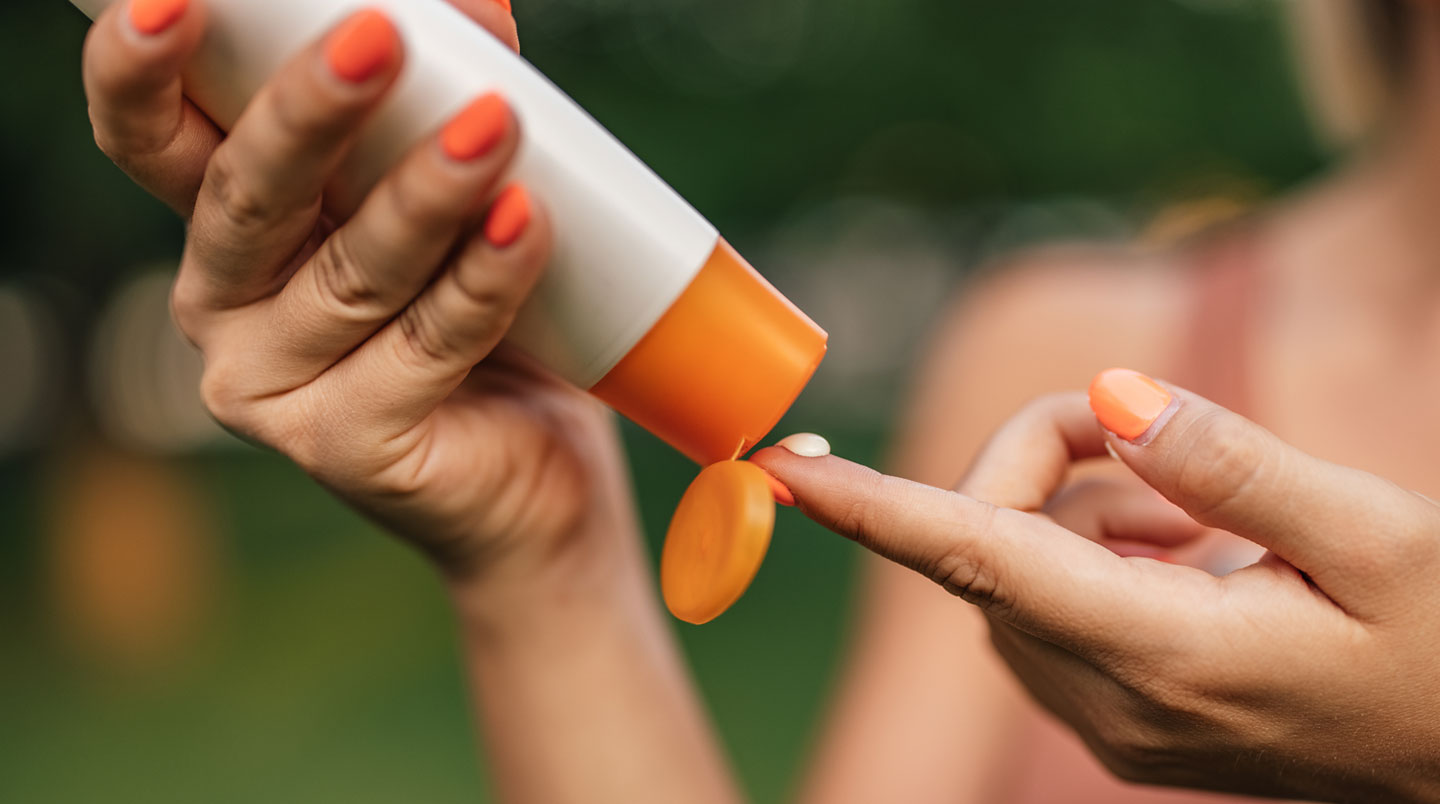
Purchase separate tubes for your work bag and car to eliminate the « I forgot it at home » excuse. Travel-sized formats cost more per ounce but pay dividends in actual usage rates. The texture obstacle requires experimentation—allocate budget to test three different formulations and commit to two weeks with each. The best sunscreen is genuinely the one you’ll apply every single morning for the next thirty years.
Does SPF in my moisturizer or makeup provide enough protection?
SPF-containing makeup and moisturizers offer some protection but rarely meet dermatological standards due to insufficient application quantity and incomplete coverage. Use dedicated broad-spectrum sunscreen as your base layer, treating makeup SPF as supplemental.
How can I reapply sunscreen over makeup without ruining my look?
Consider mineral powder sunscreens for over-makeup reapplication, setting sprays with SPF, or plan reapplication around natural refresh moments. For desk workers with limited sun exposure, thorough AM application may suffice on indoor-focused days.
Do I need sunscreen on cloudy days or in winter?
Yes. Up to 70-80% of UV rays penetrate cloud cover, and UVA levels remain relatively constant year-round. Winter snow reflection can increase UV exposure significantly through surface bounce. Daily application regardless of weather provides consistent protection against cumulative damage.
Sunscreen forms one essential pillar of daily skin health. For readers establishing their complete regimen, exploring how to build a simple skincare routine from scratch provides foundational guidance on layering products effectively and creating sustainable protocols.
The ultimate measure of an effective sun protection strategy isn’t the SPF number on your bottle—it’s whether you’re still applying it consistently six months from now. Start with the minimum viable routine: one broad-spectrum SPF 30+ formula that doesn’t make you miserable, stored where you’ll see it every morning, applied in measurable quantities before leaving home. Consistency beats perfection when preventing cumulative UV damage across decades.