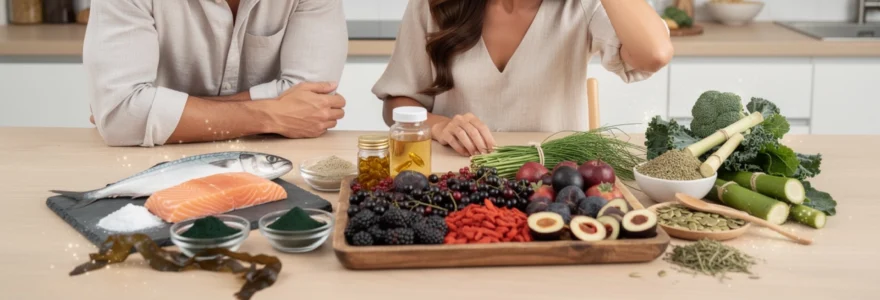
The quest for lustrous hair and radiant skin has led countless individuals to explore various topical treatments and expensive cosmetic procedures. However, the foundation of healthy hair and supple skin begins from within, through the nutrients you consume daily. Modern nutritional science reveals that specific superfoods contain powerful bioactive compounds capable of strengthening hair follicles, enhancing collagen production, and maintaining skin elasticity at the cellular level.
Recent research indicates that nutrient deficiencies affect hair and skin health more significantly than previously understood. When your body lacks essential vitamins, minerals, and fatty acids, it prioritises vital organ functions over cosmetic concerns, leading to weakened hair structure and compromised skin integrity. This biological hierarchy makes strategic nutrition paramount for anyone seeking to optimise their appearance naturally.
The superfoods discussed here contain concentrated levels of nutrients that directly impact keratin synthesis, collagen formation, and cellular regeneration. By understanding which specific compounds drive these processes, you can make informed dietary choices that deliver visible results within weeks of consistent consumption.
Bioactive compounds in marine superfoods for collagen synthesis
Marine-derived superfoods represent some of nature’s most potent sources of collagen-supporting nutrients. These aquatic treasures contain unique bioactive compounds that terrestrial plants simply cannot provide, making them indispensable for anyone serious about skin elasticity and hair strength enhancement.
Omega-3 fatty acids from Wild-Caught salmon and mackerel
Wild-caught fatty fish deliver EPA and DHA omega-3 fatty acids in optimal ratios for skin barrier function and scalp health. These essential fats integrate directly into cell membranes, improving moisture retention and reducing inflammatory responses that can damage hair follicles. Research demonstrates that individuals consuming 250-500mg of marine omega-3s daily experience significantly improved skin hydration and reduced hair breakage within eight weeks.
The bioavailability of omega-3s from fish surpasses plant-based alternatives by nearly 300%, making salmon and mackerel particularly valuable for those seeking rapid improvements. Wild-caught varieties contain higher concentrations of astaxanthin, a powerful antioxidant that further enhances collagen protection.
Astaxanthin content in spirulina and chlorella algae
Spirulina and chlorella microalgae contain astaxanthin concentrations that rival those found in wild salmon. This carotenoid penetrates skin cells more effectively than vitamin C, providing superior protection against UV-induced collagen breakdown. Studies show that 4-8mg of astaxanthin daily can improve skin elasticity by 15-20% within twelve weeks of consistent consumption.
These algae also provide complete amino acid profiles necessary for keratin synthesis. Unlike many plant proteins, spirulina and chlorella contain all nine essential amino acids in proportions that closely match human requirements for hair and nail formation.
Marine collagen peptides from bone broth and seaweed
Marine collagen peptides exhibit superior absorption rates compared to bovine alternatives due to their smaller molecular structure. Fish-derived collagen contains predominantly Type I collagen, which comprises 80% of skin structure and provides tensile strength to hair shafts. Regular consumption of 10-15 grams of marine collagen peptides has been shown to increase skin hydration by 28% and reduce fine lines by 20% within eight weeks.
Seaweed varieties like kelp and dulse provide collagen precursors alongside vitamin C and silica, creating a synergistic effect that amplifies collagen synthesis. These marine vegetables also contain fucoidan, a sulfated polysaccharide that stimulates dermal fibroblast activity.
Fucoxanthin properties in wakame and kombu seaweed
Fucoxanthin, found exclusively in brown seaweeds like wakame and kombu, demonstrates remarkable anti-inflammatory properties that protect existing collagen from enzymatic degradation. This unique carotenoid also stimulates adiponectin production, which indirectly supports healthy circulation to hair follicles and skin cells.
By moderating local inflammation and oxidative stress, fucoxanthin helps preserve the integrity of the dermal matrix, which is crucial for long-term skin elasticity. Incorporating small amounts of wakame or kombu into soups, broths, and salads a few times per week can offer a gentle yet consistent supply of this collagen-supportive compound.
Antioxidant-rich plant foods for keratin structure enhancement
While marine superfoods primarily target collagen and the dermal layer, antioxidant-dense plant foods excel at protecting and reinforcing keratin structures in hair, skin, and nails. Keratin is the primary structural protein in hair shafts and the outermost layer of the skin, and it is highly vulnerable to oxidative damage from UV light, pollution, and metabolic stress. By supplying a wide spectrum of antioxidants, these superfoods help maintain the integrity, shine, and resilience of your hair and skin.
Anthocyanins in acai berries and elderberries
Acai berries and elderberries are renowned for their deep purple pigments, rich in anthocyanins that act as potent scavengers of free radicals. These compounds help stabilise keratin fibres by reducing oxidative stress in the hair follicle and epidermis, which can otherwise lead to dullness, brittleness, and premature greying. Emerging research suggests that diets high in anthocyanin-rich foods are associated with improved microcirculation, delivering more oxygen and nutrients to the scalp and facial skin.
In practical terms, you can add frozen acai to smoothies or sprinkle dried elderberries into homemade granola for a concentrated antioxidant boost. Think of anthocyanins as an internal shield, helping to protect your keratin structures much like a heat protectant spray shields hair during styling. For best results, aim to consume a variety of deeply coloured berries several times per week rather than relying on a single “miracle” fruit.
Vitamin C concentration in camu camu and kakadu plum
Camu camu and Kakadu plum are among the most vitamin C–dense fruits on the planet, offering dramatically higher levels than oranges or kiwifruit. Vitamin C is indispensable for collagen cross-linking, but it also plays a critical role in maintaining strong hair and nail keratin by supporting iron absorption and combating oxidative damage at the follicle level. Without adequate vitamin C, the body struggles to repair everyday wear and tear on skin and hair, leading to a loss of elasticity and increased breakage.
Adding just half a teaspoon of camu camu powder to a smoothie or yogurt can easily cover your daily vitamin C needs. Kakadu plum, often available as a freeze-dried powder or puree, can be stirred into chia puddings or used in dressings. Because vitamin C is water-soluble and not stored in large quantities, consistent intake is more effective than occasional high doses—think of it as topping up your internal “beauty reservoir” every day.
Silica content in horsetail extract and bamboo shoots
Silica is a trace mineral that often flies under the radar, yet it is fundamental for the formation of strong, flexible keratin and resilient connective tissue. Horsetail extract and bamboo shoots are two of the richest natural sources of bioavailable silica, providing the raw materials needed for hair shaft thickness and skin firmness. When silica intake is low, hair can appear thinner and more prone to snapping, while skin may lose some of its natural springiness.
You can incorporate bamboo shoots into stir-fries, soups, and grain bowls to gently increase dietary silica. Horsetail is more commonly used in the form of teas or standardised supplements; if you choose to supplement, it is wise to consult a healthcare professional, especially if you have kidney issues or take diuretics. Over time, adequate silica intake can be likened to reinforcing the “steel framework” of a building—it does not change the façade overnight, but it significantly improves structural resilience.
Polyphenolic compounds in goji berries and schisandra
Goji berries and schisandra are rich in diverse polyphenols, including lignans and flavonoids, which support both keratin and collagen integrity. These compounds exert antioxidant and mild adaptogenic effects, helping your body manage oxidative stress and hormonal fluctuations that can otherwise show up as hair shedding and loss of skin elasticity. Traditional systems of medicine have long used these berries to promote vitality, endurance, and a youthful appearance.
From a functional perspective, polyphenols in goji and schisandra appear to modulate inflammatory pathways and support liver detoxification, indirectly benefiting the health of your hair and skin. You can add a small handful of dried goji berries to trail mixes or oatmeal, and use schisandra as a tea or tincture under professional guidance. Because their flavours are quite intense, starting with modest amounts and building up as tolerated is usually the most enjoyable approach.
Protein-dense superfoods for hair follicle regeneration
Hair is predominantly made of keratin protein, so it is no surprise that protein-dense superfoods are critical for hair follicle regeneration and long-term strength. When dietary protein is insufficient, your body diverts amino acids to more essential processes, and hair growth quickly slows or shifts into a shedding phase. Ensuring a steady intake of high-quality protein, combined with the right micronutrients, provides follicles with the “building blocks” they need for robust growth cycles.
Legume-based superfoods such as lentils, chickpeas, and black beans supply not only protein but also iron, zinc, and B vitamins that synergistically support hair production. Similarly, organic eggs, Greek yogurt, and fermented soy foods like tempeh offer complete proteins with a rich amino acid profile tailored for keratin synthesis. You might think of these foods as the raw material warehouse for your follicles: without sufficient stock, even the most advanced topical treatments struggle to deliver results.
To support hair strength and skin elasticity, aim to include a source of lean protein at every main meal—approximately 20–30 grams for most adults, adjusted for body size and activity level. Combining plant and animal proteins across the day can help you cover all essential amino acids if you are not strictly vegan. If you do follow a plant-based diet, focusing on complementary protein pairs, such as rice and beans or hummus and wholegrain bread, ensures that your follicles still receive everything they need for regeneration.
Mineral-rich ingredients for dermal matrix support
The dermal matrix—the supportive layer beneath the visible surface of your skin—relies heavily on minerals to maintain its structure, hydration, and repair capacity. Minerals like zinc, iron, and sulfur act as cofactors in enzymatic reactions that drive collagen production, keratin formation, and antioxidant defence. When these minerals are lacking, even a nutrient-dense diet can fall short of delivering the full benefits for hair strength and skin elasticity.
Strategically incorporating mineral-rich superfoods into your daily routine helps “feed” the dermal matrix from within, much like fertiliser supports the root system of a plant. In the following sections, we explore how seeds, leafy powders, and cruciferous vegetables provide highly bioavailable forms of these key minerals. If you have a history of deficiency or chronic health conditions, working with your healthcare provider to monitor levels can ensure you optimise intake without overdoing it.
Zinc bioavailability in hemp seeds and pumpkin seeds
Zinc is essential for DNA synthesis, cell division, and wound healing—all processes that are continuously active in the skin and hair follicles. Hemp seeds and pumpkin seeds stand out as plant-based sources with relatively high zinc content and good bioavailability, especially when soaked or lightly toasted to reduce phytic acid. Adequate zinc supports the oil glands around hair follicles, helping to maintain a balanced scalp environment that promotes strong, glossy strands.
Low zinc intake has been linked with hair thinning, delayed wound healing, and increased susceptibility to inflammatory skin conditions. A simple strategy is to add a tablespoon of mixed hemp and pumpkin seeds to your breakfast bowl or salad each day, providing a consistent, modest dose of this vital mineral. If you rely heavily on plant foods, pairing seeds with vitamin C–rich ingredients—such as berries or citrus—can further enhance mineral absorption.
Iron content in moringa leaf powder and nettle extract
Iron plays a critical role in transporting oxygen to every cell, including those in the scalp and dermal layers. Moringa leaf powder and nettle extract are both notable for their non-heme iron content, making them valuable additions, particularly for menstruating individuals or those following vegetarian or vegan diets. When iron stores are low, hair follicles may shift prematurely into a resting or shedding phase, and skin can appear pale and lacklustre.
To support iron status, you can stir moringa powder into smoothies or soups and enjoy nettle as a herbal tea or tincture under professional guidance. Combining these iron-rich superfoods with vitamin C–dense fruits like camu camu or Kakadu plum helps maximise absorption—an approach that can be especially helpful if you prefer to limit red meat. However, because excessive iron can be harmful, it is wise to assess your levels through a blood test before considering high-dose supplements.
Sulfur compounds in MSM and cruciferous vegetables
Sulfur is a structural component of keratin and collagen, and it forms the disulfide bonds that give hair its strength and elasticity. Methylsulfonylmethane (MSM) and cruciferous vegetables such as broccoli, kale, and Brussels sprouts provide readily usable sulfur compounds that support these protein networks. You can think of sulfur as the “molecular rivets” that hold hair strands and connective tissue together; without enough, structures may become weak and prone to damage.
MSM is often used as a supplement to support joint health and connective tissue, and some emerging evidence suggests it may also benefit hair density and skin smoothness. Cruciferous vegetables, meanwhile, deliver sulfur within a broader package of antioxidants, fiber, and detox-supportive phytochemicals. Including at least one serving of cruciferous vegetables daily—steamed, sautéed, or added to soups—offers a food-first strategy for boosting sulfur intake, with MSM supplements considered as an adjunct under professional supervision if needed.
Adaptogenic herbs for stress-related hair loss prevention
Chronic stress is one of the most underestimated drivers of hair thinning and loss of skin elasticity. Elevated cortisol levels can disrupt the normal hair growth cycle, pushing follicles into a shedding phase, and accelerate collagen breakdown in the dermal layer. Adaptogenic herbs help the body modulate its stress response, supporting a more balanced hormonal environment that is conducive to healthy hair and resilient skin.
Herbs such as ashwagandha, rhodiola, and holy basil have been traditionally used to enhance resilience, improve energy, and stabilise mood. Modern research suggests that ashwagandha, in particular, may lower cortisol levels and improve sleep quality—two factors closely linked to reduced stress-related hair loss. You might incorporate these adaptogens as tinctures, capsules, or teas, ideally under the guidance of a qualified practitioner, especially if you take medications or have underlying conditions.
It is also important to recognise that no adaptogen can fully counteract a highly stressful lifestyle on its own. For optimal prevention of stress-related hair loss, adaptogenic herbs should be paired with foundational habits such as adequate sleep, regular movement, and nutrient-dense meals rich in protein, healthy fats, and antioxidants. When used thoughtfully, adaptogens can act like a “buffer” for your stress response, giving your hair follicles and dermal matrix a more stable environment in which to thrive.
Fermented superfoods for nutrient absorption and bioavailability
Even the most carefully curated superfood regimen will fall short if your body cannot effectively absorb and utilise the nutrients you consume. Fermented superfoods support the gut microbiome, enhance digestive enzyme activity, and can increase the bioavailability of key vitamins and minerals involved in hair strength and skin elasticity. In many cases, fermentation partially “pre-digests” food components, making amino acids, minerals, and antioxidants easier for your body to access.
Examples of beneficial fermented foods include sauerkraut, kimchi, kefir, miso, and tempeh, each bringing a different profile of probiotics and postbiotics to the table. For instance, fermented soy products like tempeh and miso not only provide complete protein but also improved mineral availability compared with their non-fermented counterparts. Regularly consuming small portions of these foods—such as a spoonful of sauerkraut with lunch or a glass of kefir with breakfast—can gradually improve gut health and, by extension, the delivery of beauty-supporting nutrients to your hair and skin.
Have you ever noticed that when your digestion is off, your skin often follows suit? This is no coincidence; the “gut–skin axis” is now well documented in scientific literature. By prioritising fermented superfoods and a diverse, fibre-rich diet, you help cultivate a microbiome that supports optimal nutrient absorption, balanced inflammation, and efficient detoxification. Over time, this internal harmony often translates into stronger hair, more elastic skin, and a complexion that reflects the quality of the nutrition you so carefully choose.