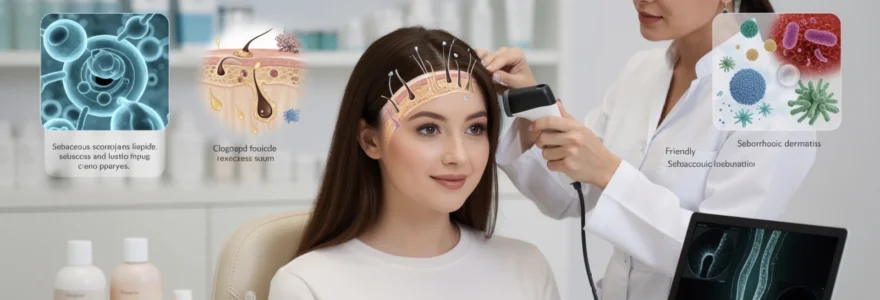
The foundation of healthy hair extends far beyond the visible strands we style and care for daily. Your scalp represents a complex ecosystem that directly influences hair growth, texture, and overall vitality. Recent research reveals that Malaysian medical students demonstrate significant variations in hair health based on their scalp care practices, with Chinese students showing notably healthier scalps and reduced dandruff compared to their Malay and Indian counterparts. This finding underscores the critical relationship between scalp health and hair condition, highlighting why proper scalp care should be considered as essential as facial skincare routines.
Understanding the intricate biological processes occurring beneath your hair requires examining the sophisticated mechanisms that govern scalp health. From sebaceous gland regulation to microbiome balance, each component plays a vital role in determining whether your hair thrives or struggles. Modern dermatological advances have revealed that effective scalp care involves addressing multiple interconnected systems simultaneously, rather than treating symptoms in isolation.
Sebaceous gland function and sebum production regulation
The sebaceous glands scattered throughout your scalp serve as natural oil factories, producing sebum to lubricate hair shafts and protect the skin surface. These microscopic structures operate under complex hormonal control, responding to various internal and external factors that can dramatically alter their output. When functioning optimally, sebaceous glands maintain the delicate balance between adequate moisture and excessive oiliness that characterises healthy scalp conditions.
Sebum production varies significantly among individuals, with genetic predisposition playing a fundamental role in determining baseline activity levels. Environmental factors such as humidity, temperature, and seasonal changes can trigger adaptive responses in sebaceous gland function. Diet, stress levels, and sleep quality also exert measurable influence over sebum composition and production rates, creating a dynamic system that requires ongoing attention and care.
Androgenic hormones impact on sebaceous activity
Dihydrotestosterone (DHT) and other androgenic hormones exert profound influence over sebaceous gland activity, often triggering increased sebum production during hormonal fluctuations. Women experiencing menstrual cycles, pregnancy, or menopause frequently notice corresponding changes in scalp oiliness as hormone levels shift. Men typically maintain more consistent sebaceous activity throughout adulthood, though age-related hormonal changes can still affect production patterns.
The sensitivity of sebaceous glands to androgenic stimulation varies considerably among ethnic groups and individuals. Research indicates that genetic polymorphisms affecting hormone receptor sensitivity can explain why some people develop oily scalp conditions while others maintain balanced sebum production under identical circumstances. Understanding your personal hormonal patterns helps predict and manage scalp care needs more effectively.
Sebum composition analysis: triglycerides and wax esters balance
Human sebum contains a complex mixture of lipids, including triglycerides, wax esters, squalene, and free fatty acids, each contributing specific protective properties. The ratio of these components determines sebum’s effectiveness in maintaining scalp barrier function and preventing microbial overgrowth. Triglycerides comprise approximately 45% of sebum composition, providing primary moisturising benefits and antimicrobial activity.
Wax esters contribute structural integrity to the sebaceous film, creating a protective barrier that prevents excessive water loss while allowing appropriate moisture exchange. When this delicate balance becomes disrupted through inadequate cleansing or harsh product use, scalp problems including dryness, irritation, and increased susceptibility to pathogenic organisms can develop rapidly.
Sebaceous hyperplasia prevention through proper cleansing
Sebaceous hyperplasia occurs when glands become enlarged and overactive, creating visible bumps and excessive oil production that compromises scalp health. This condition frequently develops when inadequate cleansing allows sebum buildup to obstruct follicular openings, triggering compensatory gland enlargement. Regular, appropriate cleansing helps prevent this cascade while maintaining natural sebum balance.
The frequency and method of scalp cleansing significantly influence sebaceous gland behaviour over time. Over-cleansing can paradoxically stimulate increased sebum production as glands attempt to restore depleted surface lipids. Conversely, insufficient cleansing allows buildup that disrupts normal gland function and creates conditions favouring bacterial overgrowth.
<h3
Age-related sebaceous gland atrophy and compensatory care
While excessive sebum dominates many conversations about scalp care, the opposite problem emerges with age. From around the fourth decade of life, sebaceous glands gradually atrophy, leading to reduced sebum output and a drier scalp environment. This decline contributes to brittle hair shafts, increased friction between strands, and a higher risk of breakage, even when you are not using aggressive styling tools.
Age-related changes in scalp lipids also alter the protective barrier that keeps irritants out and moisture in. As the lipid film thins, the scalp becomes more vulnerable to environmental stressors such as UV radiation, pollution, and temperature extremes. To compensate, mature scalps benefit from gentler, more emollient-focused regimens that replace lost lipids without clogging follicles or disturbing the scalp microbiome.
Practically, this means shifting from strong clarifying shampoos toward mild, pH-balanced formulas and adding leave-on scalp serums or lightweight oils targeted specifically at scalp hydration. Ingredients such as squalane, ceramides, and plant-derived triglycerides can help mimic natural sebum, restoring comfort and flexibility to the skin surface. By adapting your scalp care routine to these age-related changes, you support continued hair wellness even as sebaceous activity naturally declines.
Scalp microbiome equilibrium and pathogenic bacterial control
Beneath your hairstyle lies a thriving microscopic community known as the scalp microbiome. This ecosystem of bacteria, yeasts, and other microorganisms plays a decisive role in scalp health, much like the gut microbiome influences digestive wellness. When beneficial and potentially harmful species coexist in balance, the scalp remains comfortable, resilient, and better able to support robust hair growth.
Disruption of this equilibrium—through harsh cleansing, overuse of styling products, prolonged sweating, or inappropriate antibiotics—can allow opportunistic organisms to dominate. The result may be visible dandruff, itching, irritation, or even inflammatory hair loss. Modern scalp care therefore increasingly focuses on microbiome-supportive strategies, using gentle surfactants, prebiotic ingredients, and targeted antifungals when necessary rather than indiscriminate antimicrobial approaches.
Malassezia furfur overgrowth and seborrhoeic dermatitis prevention
Malassezia furfur is a lipid-dependent yeast that naturally inhabits human scalps, feeding on sebum components to survive. Under balanced conditions, it exists harmlessly as part of the normal flora. Problems arise when changes in sebum composition, immune responses, or hygiene habits favor its overgrowth. This proliferation is strongly associated with dandruff and seborrhoeic dermatitis, conditions marked by flaking, redness, and sometimes burning or itching sensations.
Why does this matter for overall hair wellness? Chronic inflammation triggered by Malassezia can impair the follicular environment, weakening emerging hairs and contributing to increased shedding. Preventive scalp care focuses on regulating sebum, avoiding occlusive product buildup, and using antifungal agents when symptoms appear. Regular, gentle cleansing with microbiome-friendly shampoos can significantly reduce the substrate that fuels yeast overgrowth while preserving beneficial organisms.
Propionibacterium acnes colonisation in follicular units
Cutibacterium acnes (formerly Propionibacterium acnes) is another resident microbe with a complex relationship to scalp health. In controlled numbers, it contributes to maintaining an acidic environment that discourages pathogenic bacteria. However, when follicles become congested with excess sebum and keratin, C. acnes can proliferate and trigger inflammatory responses, much like acne on facial skin.
On the scalp, this may manifest as folliculitis—tender, inflamed bumps that can be mistaken for simple pimples or ingrown hairs. Persistent folliculitis can damage follicular structures and, in severe cases, lead to scarring alopecia. Preventing excessive colonisation involves consistent but non-stripping cleansing, avoidance of heavy occlusive products near the roots, and prompt management of early inflammatory signs. When you keep follicles clear and well-ventilated, you reduce the chances that C. acnes will shift from ally to irritant.
Staphylococcus epidermidis beneficial bacterial maintenance
Not all scalp bacteria are enemies; some act as quiet guardians. Staphylococcus epidermidis is a key commensal species that helps defend against more aggressive microbes. It produces antimicrobial peptides and competes for nutrients and space, preventing pathogens like Staphylococcus aureus from taking hold. In this way, it supports a stable microbiome that favors long-term scalp comfort.
Aggressive antiseptic shampoos and high-alcohol styling products can inadvertently reduce populations of these beneficial organisms. Over time, this microbial depletion may leave the scalp more vulnerable to irritation and infection. Supporting “good” bacteria means choosing haircare routines that respect the scalp’s biology: gentle surfactants, minimal fragrance for sensitive scalps, and occasional use of prebiotic or postbiotic formulations designed to nourish or mimic protective microbial functions.
Antifungal ketoconazole and zinc pyrithione treatment protocols
When microbial imbalance progresses to clinically significant dandruff or seborrhoeic dermatitis, targeted antifungal treatments become essential. Ketoconazole, an imidazole antifungal, and zinc pyrithione, a broad-spectrum antimicrobial agent, are two of the most widely studied active ingredients for scalp conditions related to Malassezia overgrowth. Both reduce yeast populations, calm inflammation, and help normalise desquamation (the shedding of dead skin cells).
Effective protocols usually involve using medicated shampoos two to three times per week for several weeks, followed by maintenance applications once weekly or as directed by a dermatologist. It can be tempting to stop as soon as visible flakes disappear, but completing the recommended course helps stabilise the scalp microbiome and prolong remission. To protect overall hair wellness, you can alternate these treatments with a mild, hydrating shampoo on non-treatment days, ensuring efficacy without over-drying either scalp or hair shafts.
Follicular miniaturisation process and androgenetic alopecia mechanisms
Beyond surface-level scalp issues, deeper structural changes within hair follicles significantly influence long-term hair density. Androgenetic alopecia, often described as pattern hair loss, is driven by a progressive process known as follicular miniaturisation. Under the influence of dihydrotestosterone (DHT) and genetic susceptibility, terminal follicles gradually produce finer, shorter, and less pigmented hairs, eventually resembling vellus (peach-fuzz) hair.
This transformation does not happen overnight. Early stages may present as increased shedding, widening part lines, or reduced ponytail volume rather than obvious bald patches. Inflammatory changes around miniaturising follicles, sometimes detected only through trichoscopy, further compromise hair production. Proactive scalp care—combined with medical therapies such as topical minoxidil, oral or topical anti-androgens under medical supervision, and anti-inflammatory strategies—aims to preserve follicle size and extend the growth (anagen) phase.
Supporting the scalp environment cannot fully override strong genetic programming, but it can optimise the conditions in which follicles operate. Maintaining a clean, balanced scalp, managing chronic micro-inflammation, and avoiding tight hairstyles or harsh chemical treatments helps protect vulnerable follicles from additional stress. Think of it as preserving fertile soil in a field where some plants are genetically predisposed to be more delicate; your role is to give those plants the best possible chance to thrive.
Scalp ph balance and acid mantle preservation techniques
The scalp’s acid mantle—a thin, slightly acidic film composed of sweat, sebum, and cellular byproducts—serves as a first line of defence against pathogens and environmental damage. A healthy scalp typically maintains a pH between 4.5 and 5.5, a range that supports beneficial microbes while discouraging excessive bacterial and fungal growth. When pH drifts too high (more alkaline) due to harsh cleansers or frequent chemical processes, the barrier weakens, leading to dryness, irritation, and increased sensitivity.
Many traditional shampoos were historically formulated at a neutral or slightly alkaline pH to maximise cleansing power and foam, but modern scalp science favours pH-balanced or mildly acidic formulas. These help preserve the integrity of the cuticle, maintain optimal microbial conditions, and reduce frizz and tangling in the hair shaft. If you have ever noticed your scalp feeling tight or squeaky after washing, it may be a sign that your current products are disrupting this delicate pH equilibrium.
To preserve the acid mantle, you can adopt several simple techniques. First, choose shampoos that explicitly state they are pH-balanced for the scalp or formulated for sensitive skin. Second, avoid very hot water, which can strip protective lipids and temporarily shift pH. Third, limit overlapping chemical services (such as bleaching and relaxing) and allow adequate recovery time between treatments. By respecting the scalp’s natural chemistry, you create a more stable environment for both microbiome harmony and follicular performance.
Inflammatory cascade disruption through targeted scalp treatments
Many chronic scalp conditions—from seborrhoeic dermatitis to pattern hair loss—share a common thread: low-grade, persistent inflammation. This inflammatory cascade involves a complex network of signalling molecules, including prostaglandins, cytokines, and chemokines, which can alter blood flow, immune activity, and cellular behaviour around hair follicles. Left unchecked, these signals gradually compromise follicle function and shorten the lifespan of each hair.
Advanced scalp care therefore aims not only to cleanse and moisturise but also to modulate these biochemical pathways. Targeted treatments may incorporate botanical anti-inflammatories, antioxidants, or pharmaceutically active ingredients to calm overactive immune responses. By interrupting key steps in the cascade, you can often reduce symptoms such as redness, itching, and tenderness while simultaneously supporting more stable hair growth cycles.
Prostaglandin D2 synthesis inhibition methods
Among the many mediators involved in hair biology, prostaglandin D2 (PGD2) has attracted particular attention for its inhibitory effects on hair growth. Elevated levels of PGD2 have been observed in balding scalp regions, where it appears to shorten the anagen phase and encourage follicles to enter resting or shedding phases more quickly. In simple terms, excessive PGD2 acts like a biochemical “brake” on healthy hair production.
Experimental strategies to inhibit PGD2 synthesis or block its receptors are under active investigation, with some cosmetic formulations already incorporating ingredients that may indirectly modulate this pathway. These include certain flavonoids, plant polyphenols, and niacinamide, which can exhibit anti-inflammatory and prostaglandin-modulating properties. While such approaches are not a stand-alone cure for hair loss, integrating PGD2-focused scalp serums into a comprehensive regimen can support more favourable conditions for hair retention.
Tumour necrosis factor-alpha reduction strategies
Tumour necrosis factor-alpha (TNF-α) is a potent pro-inflammatory cytokine involved in numerous dermatological conditions. On the scalp, elevated TNF-α has been linked with inflammatory alopecias and may contribute to the perifollicular inflammation observed in androgenetic alopecia. Like an overzealous alarm system, excessive TNF-α signalling can lead to collateral damage in surrounding tissues, including hair follicle structures.
To help reduce TNF-α activity at the scalp level, many advanced formulations combine antioxidants with soothing agents. Ingredients such as green tea extract (rich in epigallocatechin gallate), resveratrol, curcumin derivatives, and panthenol have shown promise in attenuating inflammatory pathways, including TNF-α signalling, when used consistently. You can think of these compounds as “dimmers” rather than on-off switches, gently lowering inflammatory intensity over time without fully suppressing normal immune defences.
Interleukin-1 beta inflammatory response modulation
Interleukin-1 beta (IL‑1β) is another key cytokine implicated in scalp inflammation and hair cycle disruption. Elevated IL‑1β levels can inhibit hair growth, promote catagen (the regression phase), and contribute to perifollicular fibrosis in chronic cases. For individuals prone to inflammatory scalp disorders, moderating IL‑1β responses becomes an important objective for long-term hair wellness.
Scalp treatments aimed at IL‑1β modulation often rely on multi-pronged strategies: barrier repair, antioxidant defence, and gentle keratolysis to remove irritant-laden scale. Ingredients such as aloe vera, colloidal oatmeal, allantoin, and madecassoside (from Centella asiatica) support this approach by soothing irritation and supporting skin repair processes. By regularly using such targeted scalp treatments, you help keep inflammatory signals in check, creating a more hospitable niche for hair follicles to function optimally.
Professional scalp analysis tools and trichoscopy applications
While home scalp care routines form the backbone of everyday hair wellness, professional evaluation provides a level of insight that the naked eye cannot match. Trichologists and dermatologists now routinely employ digital scalp analysis tools and trichoscopy—the dermatoscopic examination of hair and scalp—to assess follicular health, vascular patterns, and subtle signs of inflammation or miniaturisation. These non-invasive techniques offer magnification and polarised light that reveal patterns invisible during a standard salon consultation.
What can trichoscopy and digital imaging show you in practical terms? Specialists can quantify hair density, identify the proportion of miniaturised versus terminal hairs, detect early perifollicular scaling or erythema, and distinguish between overlapping conditions such as androgenetic alopecia and telogen effluvium. High-resolution photographs can be stored and compared over time, allowing objective tracking of treatment responses and disease progression.
For anyone experiencing persistent scalp discomfort, unexplained shedding, or visible thinning, seeking a professional scalp analysis can be transformative. Armed with precise diagnostic information, you and your clinician can design a targeted plan that may include medicated shampoos, topical or oral therapies, in-clinic procedures such as microneedling or low-level laser therapy, and customised home-care protocols. By combining personalised diagnostics with consistent scalp care, you move from guesswork to evidence-based strategies—giving your hair the strongest possible foundation for long-term health.