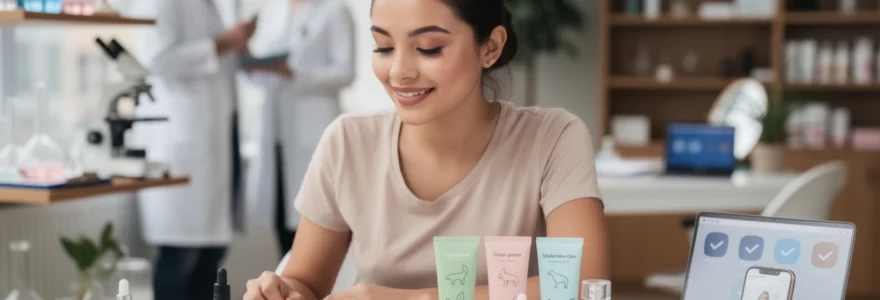
The global beauty industry is experiencing a transformative shift towards ethical consumption, with cruelty-free products commanding an increasingly significant market share. Recent studies indicate that over 73% of consumers are now willing to pay premium prices for beauty products that align with their ethical values, particularly regarding animal welfare. This paradigm shift represents more than a fleeting trend; it reflects a fundamental change in consumer consciousness about the impact of beauty choices on animal welfare and environmental sustainability.
Transitioning to cruelty-free beauty involves navigating a complex landscape of certifications, ingredient reformulations, and brand philosophies that can initially seem overwhelming. The process requires understanding various certification standards, recognising ingredient alternatives, and potentially adjusting shopping habits and budget allocations. Many consumers discover that switching to cruelty-free beauty becomes an educational journey that extends far beyond simple product substitution, encompassing broader awareness of ethical manufacturing practices and sustainable beauty trends.
The beauty industry’s evolution towards cruelty-free practices has accelerated significantly since the European Union’s comprehensive ban on animal testing for cosmetics in 2013. This regulatory milestone has influenced global standards and encouraged brands worldwide to adopt alternative testing methods, creating an environment where ethical beauty choices are more accessible than ever before.
Understanding Cruelty-Free certification standards and leaping bunny requirements
The cruelty-free beauty landscape operates within a framework of multiple certification bodies, each maintaining distinct standards and verification processes. Understanding these certifications becomes crucial for consumers seeking authentic cruelty-free products, as the term itself lacks universal legal definition in many jurisdictions. The absence of standardised regulations means that brands can potentially claim cruelty-free status without meeting rigorous third-party verification requirements.
The most stringent cruelty-free certification requires comprehensive auditing of supply chains, ingredient sourcing, and manufacturing processes to ensure no animal testing occurs at any stage of product development.
Leaping Bunny certification represents the gold standard in cruelty-free verification, requiring brands to undergo extensive auditing processes that examine every aspect of their supply chain. This certification demands that companies pledge to end all animal testing on ingredients and finished products, submit to independent audits, and maintain ongoing monitoring of their suppliers. The Leaping Bunny programme, administered by the Coalition for Consumer Information on Cosmetics, requires brands to demonstrate compliance through documented evidence and regular reassessment.
Peta’s database verification process for beauty brands
People for the Ethical Treatment of Animals maintains one of the most comprehensive databases of cruelty-free companies, featuring over 5,000 brands that have committed to ending animal testing. The PETA verification process requires companies to complete a detailed questionnaire about their testing policies and sign a statement of assurance confirming their cruelty-free status. Unlike other certification programmes, PETA’s approach focuses on brand commitment statements rather than extensive third-party auditing, making it a more accessible option for smaller companies.
The PETA database includes important distinctions between companies that have never tested on animals and those that have ceased testing practices. This classification system helps consumers make informed choices based on their personal ethical standards. PETA’s approach acknowledges that some established brands may have historical connections to animal testing while currently maintaining cruelty-free policies.
Choose cruelty free (CCF) certification criteria and application
Choose Cruelty Free, Australia’s national certification body, maintains stringent standards for cruelty-free verification that extend beyond animal testing to encompass broader ethical considerations. The CCF certification process evaluates companies’ policies regarding animal testing, ingredient sourcing, and supply chain management. Brands seeking CCF certification must demonstrate that neither they nor their suppliers conduct, commission, or pay for animal testing on ingredients or finished products.
The CCF application process requires comprehensive documentation of company policies, supply chain agreements, and ongoing monitoring procedures. This certification body also maintains a positive list of approved suppliers and ingredients, streamlining the verification process for certified brands. The CCF logo provides consumers with immediate recognition of genuinely cruelty-free products in the Australian and international markets.
Leaping bunny gold standard assessment timeline
The Leaping Bunny certification process typically requires 6-12 months for
brand approval, as companies must map their entire supply network and obtain written assurances from every raw material supplier. During this period, brands are required to implement a fixed cut-off date, after which no animal testing is permitted for any ingredient or finished product they use. This historical component means that even legacy ingredients or older formulations must be reviewed before a brand can present itself as truly cruelty-free under Leaping Bunny standards.
Once the initial audit is complete, brands are enrolled in an ongoing monitoring system that includes random checks and mandatory annual renewal. You can think of this like a continuous quality-control loop rather than a one-time stamp of approval. For consumers, this longer assessment timeline may require patience—some of your favourite brands might be “in progress” for months—but the result is a higher level of confidence that your cruelty-free beauty routine is genuinely free from animal testing at every stage.
BUAV humane cosmetics standard compliance framework
The British Union for the Abolition of Vivisection, now part of Cruelty Free International, helped establish the Humane Cosmetics Standard long before cruelty-free beauty became mainstream. This framework laid the foundation for what many now recognise as best practice: a fixed animal-testing cut-off date, full supplier declarations, and external auditing. While the BUAV name is less visible today, its principles live on within Leaping Bunny requirements and other ethical beauty standards.
Under the Humane Cosmetics Standard, brands must confirm that neither they, nor any third party acting on their behalf, conduct or commission animal testing for cosmetic purposes. The compliance framework also encourages companies to invest in alternative testing methods, such as in vitro testing and advanced computer modelling, rather than simply avoiding responsibility. When you see references to BUAV or Humane Cosmetics Standard in a brand’s history, you are often looking at some of the earliest, most influential efforts to formalise cruelty-free cosmetics.
Navigating ingredient transparency and vegan formulation differences
Once you start switching to cruelty-free beauty, you will quickly notice that cruelty-free and vegan do not always overlap. A brand can avoid animal testing yet still use animal-derived ingredients, and a vegan product is not automatically free from animal testing. Understanding this distinction is one of the biggest mindset shifts people experience when moving to an ethical beauty routine, especially if you want both cruelty-free and vegan skincare.
Ingredient transparency plays a central role here. Many animal-derived ingredients appear under scientific or Latin names that are unfamiliar at first glance, making labels feel like a foreign language. Over time, however, you begin to recognise repeat offenders—carmine, lanolin, beeswax—and learn which plant-based or synthetic alternatives to look for instead. This is where cruelty-free ingredient guides and databases become invaluable, as they help decode complex ingredient lists into simple yes-or-no decisions.
Carmine, lanolin and beeswax alternative ingredient sourcing
Carmine, lanolin, and beeswax are three of the most common non-vegan ingredients you will encounter when transitioning to cruelty-free makeup and skincare. Carmine is a red pigment derived from crushed cochineal insects and is widely used in lipsticks, blushes, and eyeshadows. Lanolin, an emollient from sheep’s wool, appears in moisturisers, lip balms, and hand creams, while beeswax is a go-to thickener and stabiliser in balms, mascaras, and cream products. If you are aiming for cruelty-free and vegan beauty, learning to spot these on labels is essential.
The good news is that modern alternatives are both sophisticated and widely available. Plant-based waxes such as candelilla, carnauba, and rice bran wax can replace beeswax in everything from lipsticks to brow pomades, often providing equal or better texture and stability. Instead of lanolin, many cruelty-free brands now rely on shea butter, cocoa butter, jojoba oil, and plant-derived squalane to deliver that same rich, occlusive feel. Red and pink pigments can be created with iron oxides, synthetic dyes, and fruit-derived colourants to avoid carmine while still offering intense payoff. As you experiment with these alternatives, you may find that texture and wear differ slightly at first, but most people quickly adjust and often prefer the lighter, less greasy feel of plant-based ingredients.
Plant-based retinol alternatives and bakuchiol efficacy
Retinol has long been celebrated as a gold-standard ingredient for targeting fine lines, hyperpigmentation, and texture, but traditional retinoids sometimes raise concerns for vegan and cruelty-conscious shoppers. While most retinoids used in cosmetics today are synthetically produced rather than animal-derived, some consumers still seek gentler, plant-based retinol alternatives that align with a holistic approach to ethical skincare. This is where bakuchiol and other botanical actives enter the conversation.
Bakuchiol, derived from the seeds and leaves of the Psoralea corylifolia plant, has been the subject of growing research. Several studies suggest that bakuchiol can offer similar benefits to retinol—improved elasticity, reduced fine lines, and more even skin tone—without the same level of irritation, redness, or photosensitivity. Think of bakuchiol as a “softer echo” of retinol: it works on similar pathways but tends to be better tolerated, especially on sensitive or reactive skin. When you switch to cruelty-free anti-ageing routines, you may find many serums now pair bakuchiol with peptides, niacinamide, or plant oils to create a comprehensive, vegan-friendly alternative to traditional retinol creams.
Synthetic musk replacements in cruelty-free fragrance formulations
Fragrance is one of the more complex areas of cruelty-free beauty, partly because ingredient lists often simply read “parfum” or “fragrance” without further detail. Historically, many luxury perfumes relied on animal-derived musks such as civet, castoreum, and natural musk deer extracts, all of which raise serious welfare concerns. Modern regulations and ethical standards have pushed the industry towards synthetic musk replacements, especially for brands committed to cruelty-free fragrance formulations.
These synthetic musks, such as polycyclic or macrocyclic musks, mimic the warm, long-lasting base notes once derived from animals. While entirely lab-created, they allow perfumers to achieve familiar scent profiles without animal exploitation. When you transition to cruelty-free perfume and body mists, you might notice descriptions like “white musk” or “clean musk” that rely on these synthetic compounds. The key is to look for brands that are transparent about their fragrance sourcing and, where possible, offer more detailed breakdowns of scent components rather than relying on vague proprietary blends.
Hyaluronic acid synthesis methods in ethical beauty products
Hyaluronic acid (HA) is another hero ingredient that often raises questions when you are switching to cruelty-free skincare. Traditionally, HA could be derived from animal tissues such as rooster combs, which is clearly not compatible with a vegan or cruelty-conscious routine. However, most reputable cruelty-free brands now use hyaluronic acid produced via bacterial fermentation—typically using strains of Streptococcus or Bacillus—in controlled laboratory environments.
This bio-fermentation method not only avoids animal-derived materials but also offers a more consistent molecular weight and purity, which can translate into better skin performance. When you see terms like “vegan hyaluronic acid” or “bio-fermented HA” on product descriptions, it usually indicates this ethical production route. If the ingredient label is unclear, checking brand FAQs or contacting customer service can provide further assurance. As you refine your cruelty-free routine, understanding how powerhouse ingredients like HA are sourced helps you feel confident that your hydrating serums align with your values as well as your skincare goals.
Price point adjustments and budget reallocation strategies
One of the biggest practical changes you may notice when you commit to cruelty-free beauty is a shift in how you spend your budget. Some consumers assume that cruelty-free skincare and makeup will always be more expensive, but the reality is more nuanced. You will find ethical options at every price point—from drugstore staples to prestige brands—yet you may need to redistribute your budget to prioritise certain products over others.
A useful strategy is to identify your “non-negotiables,” such as sunscreen, cleanser, and moisturiser, and allocate a larger portion of your budget to these daily essentials. Think of this as building a strong ethical “base wardrobe” for your skin. Once you have your core cruelty-free products in place, you can experiment with more affordable options for items like coloured cosmetics, where there are now many budget-friendly cruelty-free brands. Over time, this approach allows you to maintain an ethical routine without dramatically increasing your overall spend.
It can also help to track how long products actually last once you switch. Many high-quality cruelty-free formulations are concentrated, meaning a small amount goes a long way. When you factor in the extended use period, the cost per use often compares very favourably to cheaper, less ethical options. Additionally, by avoiding impulse purchases and focusing on intentional, researched buys, you may discover that your total beauty budget stabilises—or even decreases—despite upgrading many products to cruelty-free alternatives.
Product performance variations in cruelty-free cosmetic formulations
As you transition to cruelty-free beauty, you may notice that some products look, feel, or wear slightly differently from your previous favourites. This is especially true with formulas that once relied heavily on animal-derived ingredients such as beeswax, lanolin, or carmine for texture and payoff. It is important to remember that a performance difference is not the same as a performance downgrade; it is more like switching to a new recipe that uses different ingredients to achieve a similar result.
For example, cruelty-free mascaras that rely on plant waxes and synthetic pigments may feel a bit lighter or less stiff than traditional formulas, while vegan lipsticks might have a creamier or more balmy texture compared to beeswax-heavy versions. Some people find that these textures are actually more comfortable for everyday wear, even if they initially miss the exact feel of their old products. The key is to allow a short adaptation period and be open to testing a few options before you decide what truly works for you.
Another aspect to consider is longevity and pigmentation. Many cruelty-free makeup brands now rival or exceed mainstream competitors thanks to advances in cosmetic chemistry and a focus on high-performance plant-based ingredients. However, not every product will be a perfect dupe. Reading detailed reviews, checking swatches, and seeking recommendations from cruelty-free communities can significantly reduce trial-and-error. Over time, you are likely to curate a kit of ethical products that not only align with your values but also meet or surpass your previous performance standards.
Brand transition timeline and gradual replacement protocol
Moving your entire routine to cruelty-free beauty is best approached as a gradual transition rather than an overnight overhaul. Trying to replace every product at once can be overwhelming, expensive, and wasteful, particularly if you already own a large collection of makeup or skincare. Instead, many people find success by following a structured replacement protocol that aligns with product lifecycles and personal priorities.
Start by deciding which categories matter most to you—perhaps skincare first, then makeup, then haircare and household products. From there, you can map out a realistic timeline of three, six, or twelve months, depending on your budget and how quickly you typically use things up. This slower approach gives you time to research cruelty-free alternatives, test samples where possible, and adjust to new textures and formulas without feeling pressured or guilty about existing products.
Identifying parent company testing policies for unilever and L’Oréal subsidiaries
As you dig deeper into cruelty-free research, you will inevitably encounter the issue of parent companies, particularly large conglomerates like Unilever and L’Oréal. Many well-known brands under these umbrellas either sell in markets that still allow or require animal testing, or they have vague policies that include phrases like “except where required by law.” This can create ethical grey areas if a subsidiary brand is certified cruelty-free but its parent company is not.
The first step is to clarify your own stance: are you comfortable supporting cruelty-free brands owned by non-cruelty-free parents, or would you prefer to avoid them entirely? There is no single “right” answer here—some consumers choose to support these brands in the hope of influencing parent companies from within, while others opt for independently owned cruelty-free companies only. To make an informed decision, you can consult cruelty-free databases and blogs that specifically flag parent company status and explain their evaluation methods.
When researching Unilever or L’Oréal subsidiaries, pay attention to three key points: whether the brand sells in countries that mandate animal testing, whether it holds recognised cruelty-free certification, and how transparent it is about its supply chain. This process can feel a bit like detective work at first, but over time you will develop a shortlist of brands whose policies you fully understand and support. Having this clarity not only simplifies your shopping decisions but also reduces the frustration that can come from ambiguous marketing claims.
Establishing product replenishment schedule for skincare routines
A practical way to structure your cruelty-free transition is to build a replenishment schedule around your existing skincare routine. Most people repurchase cleansers, moisturisers, and SPF more frequently than occasional-use products like masks or peels, which makes them ideal starting points. Begin by listing what you use daily and estimating how long each item typically lasts—this simple inventory can act like a roadmap for your switch.
As each non-cruelty-free product approaches the end of its life—usually when there is a few weeks of use left—start researching replacements so you are ready to rotate in a cruelty-free alternative without a gap in your routine. This staggered approach feels less disruptive than discarding everything at once and respects both your budget and the environmental impact of unused products. Over the course of a few months, you will often find that your entire core skincare lineup has become cruelty-free almost “by stealth,” simply through mindful replenishment.
To stay organised, some people like to set simple reminders on their phone or note approximate repurchase dates in a planner. Others keep a running wish list of vetted cruelty-free products so that when something runs out, there is already a shortlist of contenders to choose from. Whichever method you prefer, the aim is to make the process feel intentional and manageable rather than rushed.
Cross-referencing existing products with cruelty-free database listings
Cross-referencing your current collection with established cruelty-free databases is one of the most effective ways to understand where you stand and what needs to change. Resources such as Cruelty Free Kitty, Logical Harmony, and Ethical Elephant maintain regularly updated brand lists that classify companies according to strict cruelty-free criteria. By comparing your favourite skincare, makeup, and haircare brands against these lists, you can quickly see which items already meet your standards and which ones you might eventually phase out.
This process can feel a little like an audit of your beauty shelf, but it does not need to be daunting. You can tackle it in stages—for example, start with your everyday skincare, then move on to makeup, then hair and body products. As you go, you may discover pleasant surprises: some brands you already love are fully cruelty-free, while others have vegan lines or are in the process of gaining certification. Marking these “safe” products gives you a reassuring foundation to build on.
For items that fall into ambiguous or non-cruelty-free categories, consider tagging them mentally as “use up and replace.” There is no pressure to discard them immediately; instead, you can simply commit to choosing a verified cruelty-free option next time. Over time, as more of your purchases align with trusted database recommendations, your entire routine will shift in a direction that is both more ethical and more transparent.
Shopping destination changes and retailer selection criteria
Switching to cruelty-free beauty also means rethinking where you shop, not just what you buy. Some retailers have strong ethical policies and clearly label cruelty-free brands, while others offer little transparency and stock many companies that still permit animal testing. Choosing the right shopping destinations can make your transition significantly smoother and reduce the research burden with every purchase.
When evaluating retailers, look for clear cruelty-free labelling, searchable filters for vegan and cruelty-free products, and transparent brand information pages. Many drugstores and high-street chains now highlight cruelty-free ranges, and some online stores specialise exclusively in ethical beauty, curating brands that meet strict criteria. Shopping through these channels can feel like walking into a pre-vetted space where most of the hard work has already been done for you.
It is also worth considering the broader values of a retailer, such as their stance on sustainability, packaging waste, and ingredient safety. Often, stores that champion cruelty-free beauty are also investing in low-waste shipping, refill schemes, or recyclable packaging, allowing you to align your entire purchasing experience with your ethical priorities. As you become more familiar with these destinations, your beauty shopping will start to feel less like a complicated research project and more like a straightforward extension of your values—supporting brands and retailers that are helping push the industry towards a more compassionate, cruelty-free future.