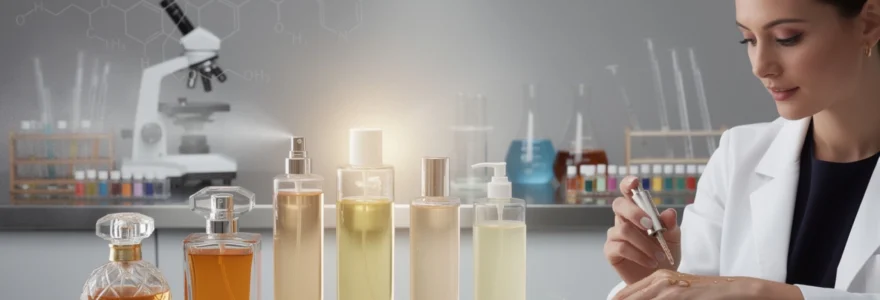
The world of fragrance can seem bewildering when you encounter terms like eau de toilette, eau de parfum, and parfum extrait on perfume bottles. These French designations aren’t merely marketing terms—they represent distinct categories of fragrance concentration that fundamentally affect how a scent performs, lasts, and projects from your skin. Understanding these differences transforms fragrance selection from guesswork into an informed choice that aligns with your lifestyle, budget, and olfactory preferences.
Each concentration level contains varying percentages of aromatic compounds dissolved in alcohol, creating unique sensory experiences that range from whisper-light to intensely captivating. The International Fragrance Association (IFRA) provides guidelines for these classifications, ensuring consistency across the global perfume industry while allowing perfumers creative freedom within established parameters.
Fragrance concentration classifications and IFRA standards
The International Fragrance Association establishes comprehensive guidelines that govern fragrance formulations across all concentration categories. These standards ensure consumer safety while maintaining the artistic integrity that defines luxury perfumery. The IFRA’s regulatory framework addresses everything from maximum usage levels of specific aromatic materials to labelling requirements that help consumers make informed purchasing decisions.
Modern fragrance houses must navigate increasingly complex regulations while creating compelling olfactory experiences. Contemporary perfumers work within IFRA restrictions that limit certain natural essences like bergamot and oakmoss, leading to innovative synthetic alternatives that maintain traditional fragrance profiles while meeting safety standards. These regulations have fundamentally shaped how different concentration levels are formulated, with each category requiring specific approaches to achieve optimal performance.
Parfum extrait concentration levels: 20-40% aromatic compounds
Parfum extrait represents the pinnacle of fragrance artistry, containing the highest concentration of aromatic compounds available in commercial perfumery. This concentration typically ranges from 20% to 40%, though some exclusive releases can reach even higher percentages. The substantial oil content creates an intensely rich olfactory experience that unfolds slowly throughout the day, revealing complex layers of scent that remain close to the skin.
The manufacturing process for parfum extrait requires exceptional precision and premium ingredients. Master perfumers often reserve their finest raw materials for these concentrated formulations, using rare florals, precious woods, and exotic spices that would be prohibitively expensive in lighter concentrations. The alcohol content remains minimal, typically around 20-30%, allowing the pure essence of the fragrance to dominate the composition.
Eau de parfum formulation: 15-20% essential oil content
Eau de parfum strikes an optimal balance between intensity and wearability, containing 15-20% aromatic compounds in an alcohol base. This concentration provides excellent longevity—typically 6-8 hours on skin—while maintaining moderate projection that won’t overwhelm in professional or intimate settings. The formulation allows perfumers to create complex compositions that evolve gracefully from opening notes through the dry-down.
The alcohol percentage in eau de parfum formulations usually ranges from 70-80%, providing sufficient volatility to carry the fragrance while allowing the aromatic compounds to develop naturally. This concentration excels in cooler climates where the reduced evaporation rate helps maintain the fragrance’s presence throughout the day. Many fragrance enthusiasts consider eau de parfum the ideal concentration for signature scents due to its versatility and sophisticated character.
Eau de toilette specifications: 5-15% fragrance oil ratio
Eau de toilette formulations contain 5-15% aromatic compounds, creating lighter, more refreshing interpretations of fragrance compositions. The higher alcohol content—typically 80-90%—provides immediate projection upon application, making the fragrance noticeable in the first few hours before settling into a subtle skin scent. This concentration excels in warm weather conditions where heavier formulations might feel overwhelming.
The reduced oil content in eau de toilette allows perfumers to emphasise fresh, volatile notes like citrus, herbs, and light florals. These formulations often showcase brilliant opening accords that create immediate impact, though the overall longevity typically ranges from 3
that gradually fade into softer heart and base notes. For many wearers, an eau de toilette offers the ideal everyday balance: noticeable and bright at first, then gently close to the skin after 3–5 hours. When you compare eau de toilette with other fragrance concentrations, this lighter structure is what makes it so versatile for office environments and daytime use.
Eau de cologne traditional composition: 2-5% citrus-based concentrates
Eau de cologne occupies the lighter end of the fragrance concentration spectrum, historically built around sparkling citrus and aromatic herbs. With approximately 2-5% aromatic compounds in a high-alcohol base, it delivers a refreshing burst of scent that typically lasts 1–3 hours on the skin. Classic colognes such as 4711 rely heavily on bergamot, lemon, neroli, and rosemary, creating an invigorating effect rather than a complex, lingering trail.
Because of its low fragrance oil content, eau de cologne is often used more liberally than eau de toilette or eau de parfum. You might apply it several times a day, much like you would a cooling facial mist in hot weather. Many modern houses reinterpret this traditional structure by adding transparent musks or light woods to extend its staying power slightly, while still preserving the airy character that defines true cologne-style formulations.
Eau fraîche dilution parameters: 1-3% aromatic molecules
Eau fraîche represents the most diluted category of fragrance products, usually containing just 1–3% aromatic molecules suspended in water and a minimal amount of alcohol. Unlike eau de cologne, which is still clearly a perfume, eau fraîche behaves more like a perfumed cosmetic mist or body spray. Its scent is extremely subtle and ephemeral, often disappearing within an hour, making it ideal for situations where you want only the lightest veil of fragrance.
The composition of eau fraîche products tends to focus on very clean, easygoing accords: watery florals, gentle citrus, green notes, and soft musks. Because the alcohol content is lower than in eau de toilette, these formulations can be more comfortable for sensitive skin. When comparing eau de toilette with eau fraîche, you can think of eau fraîche as “fragrance in soft focus”—perfect for layering over matching body care products or for those who prefer an almost imperceptible scent profile.
Eau de toilette chemical composition and molecular structure
Understanding the chemical composition of eau de toilette helps explain why it feels lighter than eau de parfum yet more substantial than a simple body spray. An EDT formula is essentially a carefully calibrated mixture of ethanol, water, and a perfume concentrate made from natural essential oils and synthetic aroma molecules. These components are structured into top, heart, and base notes, each defined by its molecular weight and volatility.
From a molecular perspective, eau de toilette is engineered for quick diffusion and moderate persistence. Lighter, more volatile molecules dominate the composition to deliver that bright first impression, while heavier base materials act as an anchor to keep the fragrance on the skin. The interplay between these layers is what allows an EDT to open with energy, transition through a recognizable “heart,” and then settle into a soft dry-down over several hours.
Ethanol base solutions in EDT formulations
Ethanol is the primary solvent in eau de toilette, typically making up 80–90% of the finished product. In perfumery, ethanol is valued because it is colourless, relatively odourless at high purity, and highly volatile. As it evaporates, it carries the aromatic compounds into the air, creating the characteristic “fragrance cloud” you notice immediately after spraying an EDT. Without this ethanol base, many fragrance oils would sit flat and lifeless on the skin.
From a technical standpoint, perfumers work with specific ethanol grades—often 95–96% vol.—which are then diluted with demineralised water during compounding. The ratio of alcohol to water affects both evaporation speed and how the fragrance feels on application. You’ve probably noticed that some eau de toilette sprays feel very cooling; this is the rapid evaporation of ethanol drawing heat from the skin. Compared with eau de parfum formulations, which sometimes contain slightly more oil and less alcohol, EDTs are deliberately calibrated to prioritise freshness and immediate diffusion.
Top note volatility rates: limonene and bergamot compounds
Top notes are the first impression of any eau de toilette, dominated by highly volatile molecules that evaporate within minutes to an hour. Common top-note materials such as limonene (found in lemon and orange oils) and components of bergamot oil are small, lightweight molecules that vaporise quickly at skin temperature. This is why an EDT often feels like a bright citrus splash when you first apply it, even if the fragrance later transforms into something woody or musky.
Because of IFRA safety standards, many natural citrus materials—especially cold-pressed bergamot—must be used within strict limits due to potential photo-toxicity. To maintain that luminous “citrus top” in modern eau de toilette formulations, perfumers rely on a blend of natural oils and synthetic analogues like Citral, Citronellal, or specially designed citrus aroma chemicals. When you compare eau de toilette with higher concentrations, you’ll often find a more generous use of these fleeting materials in EDT, precisely because the formula is designed to lean into this sparkling, volatile effect.
Heart note stability: linalool and geraniol molecular behaviour
Once the top notes dissipate, an eau de toilette moves into its heart, or middle notes—the aspect you smell for the majority of the wearing experience. Key floral molecules such as linalool (found in lavender and many flowers) and geraniol (a major component of rose and geranium oils) play a crucial role here. These molecules are less volatile than limonene but still light enough to project pleasantly from the skin for several hours.
Linalool and geraniol illustrate how the molecular structure of an EDT is engineered for balance. They are stable enough under normal storage conditions to maintain their character, yet reactive enough with oxygen and light that IFRA guidelines recommend careful handling and antioxidant use in formulas. In practice, this means that the heart of an eau de toilette must be composed with both artistry and chemistry in mind: too many unstable materials and the fragrance may turn sour; too few, and it may lack character. Well-crafted EDTs manage this tension, offering a clear, recognisable floral or aromatic heart that remains faithful throughout the wear.
Base note fixation: synthetic musks and amber molecules
Base notes are the foundation of an eau de toilette, responsible for its lingering presence on the skin once the brighter facets have faded. Modern EDT bases frequently rely on synthetic musks (such as Galaxolide, Cashmeran-type musks, or macrocyclic musks) and amber molecules (like Ambroxan or Cetalox) to provide softness, warmth, and a subtle trail. These larger, heavier molecules evaporate far more slowly than citrus or floral materials, often remaining detectable on clothing for days.
From a performance standpoint, these base molecules act like the bass line in a piece of music: you may not always notice them consciously, but they give weight and continuity to the whole composition. Synthetic musks also serve a technical role as fixatives, helping to slow the evaporation of more delicate notes and smooth transitions between top, heart, and base. When you compare eau de toilette with eau de parfum, you’ll usually find a similar base structure, but in EDT the dosage of these heavy materials is slightly lower, keeping the overall impression cleaner and less dense while still ensuring a satisfying dry-down.
Longevity performance analysis across fragrance categories
Longevity is one of the first aspects people compare when deciding between eau de toilette and other fragrance concentrations. Generally, higher oil content equals longer wear time: parfum extrait can last 10–12 hours or more, eau de parfum often delivers 6–8 hours, while eau de toilette typically offers 3–5 hours under normal conditions. Eau de cologne and eau fraîche sit at the shortest end of the spectrum, sometimes requiring frequent reapplication throughout the day.
Yet concentration is only part of the story. The raw materials used, skin type, climate, and even clothing all influence how long a scent remains noticeable. A citrus-heavy eau de parfum may feel “shorter-lived” than a woody eau de toilette rich in patchouli and ambers because citrus molecules evaporate so swiftly. This is why you may find that some eau de toilette versions outlast their supposedly “stronger” counterparts—their formula simply favours long-lasting notes over explosive, fleeting ones. For the most accurate sense of performance, it’s worth testing each concentration on your own skin over the course of a full day.
Price point differentials: chanel no. 5 vs tom ford concentration variants
Price often becomes a deciding factor when you compare eau de toilette with eau de parfum and parfum extrait. While higher concentrations generally cost more, the relationship between concentration and price is not strictly linear. Iconic fragrances like Chanel No. 5 or contemporary luxury lines such as Tom Ford’s illustrate how brand positioning, raw material quality, and packaging also have a substantial impact on the final price.
Take Chanel No. 5 as a classic example. The parfum extrait version commands the highest price per millilitre because it uses a very high percentage of concentrated perfume oil, packaged in small, hand-finished bottles. The eau de parfum sits in the middle, offering a more accessible price point with excellent longevity, while the eau de toilette is typically the most affordable entry into the line. However, all three share a common olfactory DNA, so you are paying not only for concentration but also for the way each version interprets the same theme—from the intimate depth of the extrait to the airy sparkle of the EDT.
Tom Ford’s collections, such as Black Orchid or the Private Blend range, further demonstrate how concentration interacts with pricing strategy. An eau de parfum from the Signature line might be priced similarly to an eau de toilette from a high-luxury niche brand, simply because of differences in marketing, bottle design, and ingredient sourcing. When considering the cost of eau de toilette versus other fragrance concentrations, it can be helpful to think in terms of “cost per wear” rather than sticker price alone. A more expensive EDP that lasts all day may actually be more economical over time than a cheaper EDT that you need to reapply several times.
Application techniques and skin chemistry interactions
How you apply an eau de toilette can dramatically influence both its performance and how others perceive it. Because EDT formulas contain a high proportion of alcohol and relatively light aromatic molecules, they benefit from being sprayed onto pulse points—wrists, neck, behind the ears—where body heat can help diffuse the scent. For a more pronounced aura, some people also lightly mist their clothing or hair, though this is best done from a distance to avoid potential staining on delicate fabrics.
Skin chemistry adds another layer of complexity when you compare eau de toilette with eau de parfum and stronger concentrations. Oily skin tends to hold fragrance longer, as sebum helps trap aromatic molecules; dry skin, by contrast, can cause even rich perfumes to disappear quickly. Applying an unscented moisturiser before your EDT creates a more hospitable surface, much like priming a canvas before painting. Have you ever noticed that the same fragrance smells sweeter on a friend but more woody on you? Small variations in pH, diet, and even medication can subtly shift how specific aroma chemicals develop on the skin, which is why sampling remains essential.
Application quantity also matters. Because eau de toilette is lighter, you can usually apply more sprays than you would with a parfum extrait without overwhelming your surroundings. A typical guideline is 3–5 sprays for EDT, 2–4 for EDP, and just 1–2 dabs or sprays for parfum. Ultimately, the ideal technique is the one that aligns with your environment and personal comfort: in close office settings, you might opt for fewer sprays on lower pulse points; for an evening outdoors, you may prefer a slightly more generous application that ensures your scent doesn’t vanish in the open air.
Industry manufacturing processes: firmenich and givaudan production methods
Behind every bottle of eau de toilette and eau de parfum stands a vast industrial ecosystem, with major fragrance houses such as Firmenich and Givaudan at its core. These companies develop the perfume concentrates that brands then dilute to different levels—parfum, EDP, EDT, and so on. The process begins with briefings from the client brand, outlining target markets, price points, and desired performance, followed by extensive work in laboratories where perfumers compose and refine formulas using both natural extracts and highly sophisticated synthetic molecules.
Modern production methods at firms like Firmenich and Givaudan blend artistry with advanced analytics. Gas chromatography–mass spectrometry (GC–MS) allows them to dissect existing fragrances and understand their molecular profiles, while high-throughput evaluation systems help screen new aroma chemicals for safety and olfactory interest. Once a formula is approved, large-scale compounding facilities carefully weigh and blend each raw material according to strict quality standards and IFRA guidelines. This concentrate is then shipped to the brand’s filling plants, where it is mixed with ethanol and water to create different fragrance concentrations, filtered for clarity, and finally bottled.
Quality control plays a vital role at every stage. Batch consistency is monitored through both instrumental analysis and trained sensory panels to ensure that a new bottle of eau de toilette purchased in 2026 smells recognisably identical to one produced years earlier. At the same time, regulatory changes and raw material availability may require subtle reformulations over time, which skilled perfumers adjust so that wearers rarely notice the difference. When you spray an EDT versus an EDP, you’re not just experiencing a simple dilution; you’re engaging with a carefully engineered product shaped by decades of scientific research, global supply chains, and the creative vision of some of the world’s leading fragrance houses.