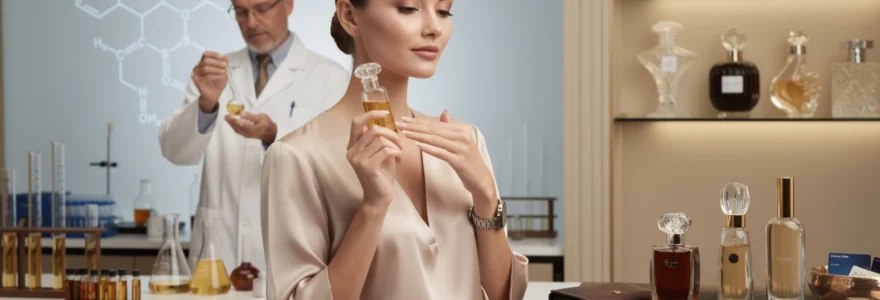
Perfume extract represents the pinnacle of fragrance artistry, containing the highest concentration of aromatic compounds available in commercial perfumery. Unlike the more familiar eau de parfum or eau de toilette, these luxurious formulations deliver an unparalleled olfactory experience that can transform how you perceive and wear fragrance. The sophisticated world of perfume extracts attracts discerning individuals who appreciate the subtle complexity and enduring presence these formulations provide.
Understanding perfume extract requires examining both its technical composition and the unique experience it offers to the wearer. These precious formulations command premium prices for legitimate reasons, from their exceptional concentration of rare aromatic materials to their remarkable longevity on the skin. The question isn’t simply whether perfume extract is worth the investment, but rather whether you’re prepared to embrace a completely different approach to personal fragrance.
Perfume extract chemical composition and concentration standards
The fundamental distinction between perfume extract and other fragrance categories lies in its chemical composition and concentration levels. Industry standards typically classify perfume extract as containing between 20% to 40% aromatic compounds, though some exceptional formulations may reach even higher concentrations. This substantial percentage represents the pure essence of the fragrance, dissolved in a carefully balanced alcohol base that preserves and delivers the scent effectively.
Essential oil percentage ratios in parfum formulations
Professional perfumers carefully orchestrate essential oil ratios to create balanced, complex fragrances that evolve beautifully on the skin. Natural essential oils typically comprise 15-30% of the total aromatic compounds in premium extracts, with synthetic aromatic molecules filling the remaining percentage. This ratio ensures optimal performance whilst maintaining the authentic character that natural materials provide. The specific percentage varies depending on the fragrance family and the perfumer’s artistic vision.
Rose absolute, jasmine sambac, and sandalwood essential oil represent some of the most coveted natural materials in extract formulations. These precious ingredients can cost hundreds or even thousands of pounds per kilogram, directly impacting the final product’s pricing structure. The concentration of these premium naturals often determines whether a fragrance qualifies as a true luxury extract.
Aromatic compounds and molecular structure analysis
The molecular structure of aromatic compounds significantly influences how a perfume extract performs on human skin. Larger molecular compounds evaporate more slowly, contributing to the extract’s renowned longevity. Perfumers deliberately select molecules with varying volatility rates to create a fragrance that unfolds over many hours, revealing different facets as time progresses.
Modern analytical techniques like gas chromatography-mass spectrometry allow perfumers to identify and quantify individual aromatic molecules with precision. This scientific approach ensures consistency across batches whilst maintaining the artistic integrity of the original composition. Understanding molecular behaviour helps explain why certain extracts perform dramatically differently on various skin types.
Alcohol base requirements for premium extract production
High-quality perfume extracts demand exceptional alcohol bases, typically requiring 96-98% ethanol purity levels. This pharmaceutical-grade alcohol serves as more than just a solvent; it acts as a delivery system that allows aromatic compounds to diffuse naturally from the skin. Premium alcohol bases undergo extensive filtration and purification processes to remove any impurities that might interfere with the fragrance’s development.
The alcohol-to-aromatic compound ratio requires precise calibration to achieve optimal performance. Too much alcohol can make the fragrance harsh and overpowering, whilst insufficient alcohol prevents proper diffusion. Master perfumers spend years perfecting these ratios, understanding how different aromatic materials interact with various alcohol concentrations.
Quality control parameters in extrait de parfum manufacturing
Manufacturing perfume extracts involves rigorous quality control protocols that far exceed those required for lighter fragrance concentrations. Temperature control during blending, maturation periods lasting several months, and multiple filtration stages ensure the final product meets exacting standards. Each batch undergoes sensory evaluation by trained panels to verify consistency with the original formula.
Sophisticated testing equipment monitors parameters like optical density, pH levels, and volatile compound ratios throughout the production process. These measurements help maintain consistency across
Sophisticated testing equipment monitors parameters like optical density, pH levels, and volatile compound ratios throughout the production process. These measurements help maintain consistency across different production runs and detect any deviation before it reaches the customer. In premium extrait de parfum manufacturing, even minor variations in raw material quality, storage conditions, or filtration can noticeably alter the final scent. By enforcing strict quality control parameters, luxury fragrance houses ensure that each bottle of perfume extract delivers the same depth, balance, and longevity that discerning wearers expect.
Fragrance intensity classification system and longevity metrics
To understand whether perfume extract is truly for you, it helps to decode the fragrance intensity classification system used across the industry. Rather than relying on vague terms like “strong” or “soft”, perfumers look at measurable factors such as oil concentration, sillage, and longevity on the skin. Extrait de parfum sits at the top of this hierarchy, not only in terms of concentration but also in how it behaves over time compared with eau de parfum and eau de toilette.
Whilst there is no single global standard, most perfumery experts recognise a spectrum that runs from light colognes at one end to dense perfume extracts at the other. Within this spectrum, perfume extract is designed to offer an intimate yet persistent aura, often lasting 8–12 hours or more on well-moisturised skin. The goal is not merely power, but a slow, nuanced evolution of the fragrance that you and those close to you can appreciate throughout the day.
Sillage projection measurements in parfum extract applications
“Sillage” refers to the scent trail a fragrance leaves in the air as you move. In technical terms, sillage projection can be assessed in controlled rooms where trained evaluators measure how far and how long a perfume extract remains perceptible. Premium extraits typically create a denser, more concentrated scent cloud that sits closer to the body, rather than broadcasting loudly across a room.
Unlike some powerful eau de parfums that are designed for wide projection, many extracts favour a more intimate sillage radius of about one arm’s length. This is why you may feel wrapped in your scent without overwhelming people around you. If you are seeking a “beast mode” fragrance that fills large spaces, a bold eau de parfum may serve you better; if you prefer a refined, velvety aura noticeable mainly in close encounters, extrait de parfum excels.
Skin chemistry interaction with high-concentration formulas
One of the most fascinating aspects of perfume extract is how strongly it interacts with your individual skin chemistry. Factors such as skin pH, sebum production, hydration level, and even diet can subtly alter how aromatic molecules break down and project. Because an extract contains more base notes and complex naturals, these interactions are often more pronounced than with lighter formats.
This is why the same perfume extract can smell creamy and soft on one person yet darker and smokier on another. You might notice that gourmand extracts become sweeter on warm, oily skin, whereas woody or resinous compositions can feel drier on very dehydrated skin. To find out whether a perfume extract really suits you, it is essential to test it on your own skin and wear it for several hours, rather than judging it purely from a blotter or first impression.
Temperature and humidity effects on extract performance
External conditions like temperature and humidity also play a major role in how perfume extracts perform. In warmer climates, aromatic molecules evaporate more quickly, often intensifying the opening and mid phases of the scent. In cooler environments, the fragrance develops more slowly, with base notes taking longer to reveal themselves. Think of it as the difference between a perfume unfolding like a quick film trailer versus a slow, immersive movie.
High humidity can amplify sweetness and floral facets, while very dry air may emphasise woody, smoky, or powdery aspects. For this reason, some fragrance connoisseurs reserve their richest extracts for autumn and winter, when cosy, enveloping scents feel most comfortable. That said, a well-balanced citrus or floral extrait can perform beautifully in summer too, provided you adjust your application dosage to the climate.
Comparative longevity analysis: extract vs eau de parfum vs eau de toilette
When comparing perfume extract to eau de parfum and eau de toilette, longevity is one of the clearest points of difference. On average, eau de toilette offers around 3–5 hours of noticeable presence, eau de parfum extends this to 6–8 hours, whilst well-formulated extracts can remain perceptible for 8–12 hours and beyond. Of course, these figures vary according to the specific formula, your skin type, and environmental factors.
Another key distinction lies in how these fragrances fade. Eau de toilette tends to deliver a brighter, more fleeting burst of top notes that dissipates relatively quickly. Eau de parfum offers a stronger heart and base, but still relies more heavily on alcohol for diffusion. Extrait de parfum, by contrast, leans into deeper, slower-evaporating molecules, allowing the scent to soften gradually rather than suddenly disappearing. For those who want to smell their fragrance subtly on their skin from morning into late evening, extract becomes an attractive proposition.
| Fragrance Type | Typical Oil Concentration | Average Longevity on Skin | Perceived Intensity |
|---|---|---|---|
| Eau de Toilette | 5–15% | 3–5 hours | Fresh, airy, more diffusive |
| Eau de Parfum | 15–25% | 6–8 hours | Noticeable, versatile, balanced |
| Extrait de Parfum (Perfume Extract) | 20–40% | 8–12+ hours | Dense, intimate, long-lasting |
Target demographics for perfume extract investment
Who, then, is perfume extract really for? Whilst anyone can enjoy the beauty of a well-crafted extrait, certain demographics are particularly drawn to this concentration. Fragrance collectors, luxury consumers, and professionals in image-conscious fields often see perfume extract as both a personal pleasure and a subtle statement of taste. These wearers value nuance, depth, and individuality over sheer volume or trend-driven launches.
Busy professionals who want a fragrance that lasts through long days without constant reapplication also tend to appreciate extracts. So do those with mature or drier skin, as higher oil concentration often clings better and feels more “comforting” than sharp, alcohol-forward sprays. Finally, people who see perfume as an extension of their identity—much like a watch, piece of jewellery, or tailored suit—are prime candidates for investing in high-quality perfume extracts.
Luxury fragrance houses specialising in extract production
Not every perfume brand invests heavily in extract production, as it requires costly raw materials, complex formulation work, and slower manufacturing cycles. However, several renowned luxury houses place extrait de parfum at the heart of their identity. Historic French maisons, niche artisan perfumers, and some modern independent brands produce limited runs of perfume extracts that highlight their most iconic compositions.
These perfume extracts are often presented in smaller bottles, crystal flacons, or numbered editions, underlining their status as olfactory “haute couture”. For collectors, owning the extract version of a favourite scent can feel like accessing the purest interpretation of the perfumer’s vision. It is also common for luxury houses to reserve certain rare ingredients—such as natural oud, iris butter, or vintage musk accords—exclusively for their extract lines, making them especially appealing to connoisseurs.
Application techniques and dosage protocols for perfume extracts
Because perfume extract is highly concentrated, application technique is crucial to getting the best from your fragrance. Rather than spraying liberally as you might with an eau de toilette, you generally need just one or two targeted applications on pulse points. Think of extrait as a rich, expensive wine: you sip, rather than gulp. Over-application can obscure the subtleties of the composition and may feel cloying in warm or enclosed spaces.
For most wearers, ideal placement includes the wrists, inner elbows, behind the ears, or on the upper chest. It is usually preferable to apply directly to clean, moisturised skin; a thin layer of unscented lotion can help anchor the fragrance and improve longevity. Avoid rubbing your wrists together after application, as this friction can disrupt the top notes and alter the way the scent develops. If you are layering with an eau de parfum from the same line, apply the extract first in small amounts, then mist a light halo of the lighter concentration over clothing or hair.
Economic considerations and cost-per-wear analysis of premium extracts
At first glance, perfume extracts often appear significantly more expensive than their eau de parfum or eau de toilette counterparts. Bottles are smaller, price tags are higher, and marketing emphasises exclusivity. However, when you consider cost per wear, the picture becomes more nuanced. Because extrait de parfum is applied sparingly and lasts longer, you typically use fewer sprays or drops per day, extending the life of each bottle.
For example, a 30 ml bottle of perfume extract may easily provide 150–200 individual applications if you use just one or two drops each time. By contrast, a 100 ml bottle of eau de toilette can disappear quickly if you apply 6–8 sprays several times a day. When you divide the purchase price by the number of wears, premium extracts may compare favourably—or at least narrow the gap—especially if you value all-day performance and exceptional materials.
Ultimately, deciding whether to invest in perfume extract comes down to your personal priorities. Do you prefer a wardrobe of many affordable fragrances that you rotate frequently, or a smaller collection of meticulously crafted, long-lasting perfumes that feel special every time you reach for them? If you lean towards the latter, perfume extract can offer both emotional satisfaction and reasonable economic value over time, despite its higher upfront cost.