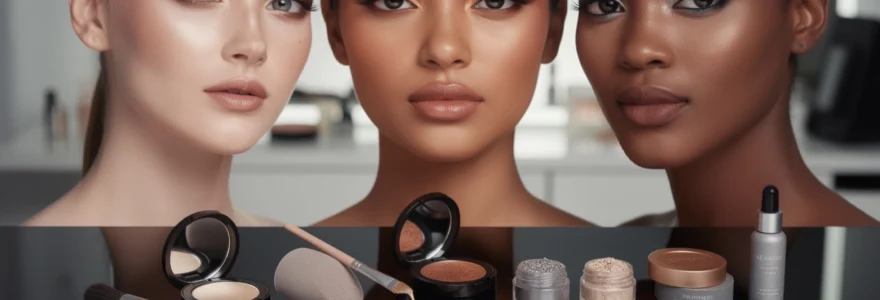
Metallic makeup has staged a triumphant comeback, dominating runways, red carpets, and social media feeds with its luminous allure. What was once relegated to festive occasions or deemed too bold for everyday wear has evolved into a sophisticated beauty staple. Modern formulations harness advanced cosmetic chemistry to deliver customizable intensity, allowing you to embrace shimmer without appearing costume-like. The key lies in understanding the science behind these products, mastering strategic application techniques, and selecting shades that harmonize with your unique complexion. Whether you’re drawn to subtle champagne highlights or bold chromatic statements, the contemporary approach to metallic makeup emphasizes artistry over excess.
The resurgence of metallic finishes reflects broader industry trends toward multi-dimensional makeup that captures and manipulates light. Unlike the chunky glitters of previous decades, today’s formulations employ precision-engineered pigments that create refined radiance. This renaissance has been fuelled by innovations in both product development and application methodologies, giving you unprecedented control over the final aesthetic. Understanding these advancements empowers you to incorporate metallic elements into your beauty routine with confidence and finesse.
Chromatic pigment technology: understanding modern metallic makeup formulations
The foundation of any exceptional metallic makeup lies in its pigment technology. Contemporary formulations represent a quantum leap from the glitter-laden products of the past, utilizing sophisticated materials that deliver lustrous effects through different mechanisms. These advanced pigments interact with light in complex ways, creating everything from soft sheens to mirror-like finishes. By understanding these technological foundations, you can make informed decisions about which products will achieve your desired aesthetic while maintaining skin compatibility and wear performance.
Mica-based versus synthetic pearl pigments in contemporary formulas
Natural mica forms the backbone of many metallic cosmetics, offering inherent light-reflecting properties derived from its crystalline structure. This mineral is typically coated with titanium dioxide or iron oxides to produce various chromatic effects. Mica-based pigments provide a softer, more diffused luminosity that appears particularly flattering in natural lighting conditions. The irregular particle edges create multi-directional light reflection, resulting in a dimensional glow rather than flat shine.
Synthetic pearl pigments, conversely, utilize engineered substrates like calcium aluminium borosilicate or synthetic fluorphlogopite. These materials offer superior consistency in particle size and shape, delivering more predictable and intense metallic effects. Synthetic alternatives also provide enhanced durability and resistance to oxidation, maintaining their chromatic integrity throughout extended wear periods. Many premium formulations combine both mica and synthetic pearls, leveraging the natural radiance of minerals with the performance benefits of engineered materials.
Light-reflecting particle size and its impact on finish intensity
Particle size represents a critical variable in determining the visual impact of metallic makeup. Microfine particles measuring between 5-15 micrometres create subtle, skin-like luminosity that enhances rather than overwhelms your natural features. These smaller particles nestle into skin texture, providing a soft-focus effect that appears almost wet or dewy. They’re ideal for everyday applications where you want radiance without obvious sparkle.
Larger particles ranging from 25-100 micrometres produce more dramatic metallic effects with visible shimmer and pronounced light reflection. These create statement-making looks suited to evening events or editorial applications. The most sophisticated formulations incorporate multiple particle sizes within a single product, allowing you to build intensity gradually through layering. This multi-sized approach provides versatility, enabling both sheer washes of colour and opaque metallic coverage from the same compact.
Silicone-coated metallics for extended wear and crease resistance
Silicone coating technology has revolutionized metallic makeup longevity. Pigments treated with dimethicone or similar silicone derivatives gain hydrophobic properties that resist moisture, oils, and environmental humidity. This coating creates a protective barrier around each particle, preventing oxidation and colour shift throughout the wear period. Silicone-treated metallics maintain their initial vibrancy for 12-16 hours, making them suitable for long events or demanding climates.
The silicone
themselves also improve blendability, giving metallic shadows a smoother glide over the skin and reducing patchiness. For hooded lids or oily skin types, this can be the difference between a polished metallic eye and one that migrates into fine lines within hours. However, silicone-heavy formulas may feel slightly heavier or occlusive on very sensitive skin, so patch-testing and balancing with a lightweight base are advisable. You’ll often find these advanced metallic pigments in pro-grade palettes and liquid chrome highlighters marketed for “all-day wear,” and the label will usually reference dimethicone, trimethicone, or similar silicones high in the ingredients list.
In addition to durability, silicone-coated metallic pigments enhance flexibility. As your facial expressions shift throughout the day, the coated particles move more harmoniously with your skin instead of cracking or flaking. This is especially beneficial in areas of high mobility, such as the eyelids and smile lines, where uncoated metallic formulas can emphasize creasing. If you’ve ever noticed that your metallic makeup looks freshly applied even after a long event, there’s a strong chance silicone-coated technology is working behind the scenes.
Water-activated foil effects and hybrid cream-to-powder technologies
Water-activated metallics and hybrid cream-to-powder formulas have become some of the most versatile tools in modern metallic makeup. These products are typically pressed pans or cakes infused with binders that react to a small amount of water, setting down as high-impact, foil-like finishes once dry. Think of them as watercolor paints for your face: you control the opacity, slip, and intensity simply by adjusting the amount of moisture on your brush. When applied sheerly, they deliver a luminous wash; when used with minimal water for a paste-like consistency, they create mirror-metal finishes.
Cream-to-powder metallic formulas bridge the gap between traditional cream shadows and pressed powders, offering the best of both worlds. Initially, they feel emollient and malleable, which allows you to blend edges seamlessly with your fingertips or a synthetic brush. As they set, volatile silicones and lightweight oils evaporate, leaving behind a soft-focus powder finish that resists creasing and transfer. This technology is particularly effective for those who want a long-wearing metallic eyeshadow that doesn’t require complicated layering or multiple products.
Many water-activated metallics are also highly pigmented, meaning a minimal amount of product can deliver “wet look” impact. This helps reduce texture buildup on mature or textured skin, where thick layers of product might be unflattering. For best results, use distilled water or a dedicated mixing medium to prevent bacterial growth and maintain formula integrity. You can also mix water-activated metallic pigments with setting spray to create custom metallic liners that dry down budge-proof, expanding your metallic makeup wardrobe without purchasing additional products.
Strategic placement techniques for balanced metallic application
Knowing where to place metallic makeup is as crucial as choosing the right formula. Thoughtful placement allows you to harness light strategically, enhancing your bone structure without tipping into overly reflective territory. Just as a skilled interior designer uses accent lighting to highlight key features of a room, you can use metallic highlights to sculpt and define your face. The goal is to create points of interest that catch the eye, not to blanket the entire canvas in shimmer. With targeted techniques, metallic finishes become refined, wearable, and surprisingly subtle for daily looks.
High points illumination: cheekbone, cupid’s bow, and brow bone targeting
When you want to shine without overdoing it, focusing metallic makeup on the high points of your face is a reliable strategy. Areas such as the tops of the cheekbones, the cupid’s bow, and the brow bone naturally catch light, so adding a metallic highlight there enhances what your bone structure already does. This placement mimics the effect of well-placed studio lighting, creating dimension and lift. For everyday looks, choose finely milled metallic highlighters in champagne, soft gold, or rose tones that complement your undertones.
Application technique also matters. Use a small fan brush or tapered highlighter brush to sweep a thin veil of product over the high points, building slowly rather than loading the brush in one go. On the cupid’s bow, tap a tiny amount with your fingertip for a subtle plumping effect that makes the lips appear fuller without obvious sparkle. For the brow bone, keep the highest concentration of metallic directly under the arch, then fade it outward to avoid a harsh stripe. By keeping the center of the face more diffused and reserving stronger metallic for these elevated areas, you create a balanced, editorial yet wearable finish.
Single-feature focus methods to avoid overwhelming shimmer
One of the most effective ways to avoid overdoing metallic makeup is to choose a single feature as your focal point. Ask yourself: do you want the eyes, the lips, or the complexion to take center stage? If you opt for a bold metallic eye, keep your lips more understated with satin or soft matte textures, and vice versa. This “one star, supporting cast” approach maintains harmony across your look and prevents metallic elements from competing with each other.
For example, a molten bronze smokey eye pairs beautifully with a muted nude lip and a gently satin-finished base. Conversely, a chrome or foil-effect lip looks chic when framed by softly defined eyes using matte or satin shadows. You can still incorporate subtle metallic accents elsewhere—such as a whisper of highlight on the cheekbones—but keep them sheer and diffused. Treat metallic makeup like jewelry: you wouldn’t typically wear a statement necklace, chandelier earrings, and stacked cuffs all at once for a minimalist outfit, and the same principle applies to shimmer on the face.
Layering translucent powders to diffuse excessive metallic intensity
If you’ve ever finished your makeup only to realize the metallic highlighter or eyeshadow looks too intense, translucent powders can act like a soft-focus filter. Lightly dusting a finely milled translucent powder over overly reflective areas helps blur harsh edges and reduce obvious shimmer, while still allowing light to bounce off the high points. Think of it as adjusting the brightness on a photo rather than deleting the highlight altogether. This technique is especially useful under strong artificial lighting, where metallics can appear more pronounced than expected.
To keep your metallic makeup from looking chalky, use a small, fluffy brush and tap off excess powder before applying. Focus on the perimeter of the metallic area first, blending in small circular motions to soften transitions. If you need to dial down intensity even more, gently press—rather than sweep—the powder over the center of the metallic zone. You can also sandwich metallic products between layers of translucent powder: apply a thin veil of powder over your base, add your metallic, then finish with another light dusting. This method not only softens the finish but also improves longevity and oil control, particularly on combination or oily skin.
Gradient blending from matte bases to metallic accents
Creating a smooth gradient from matte to metallic textures is one of the most sophisticated ways to wear shimmer. On the eyes, start with matte transition shades in the crease and outer corner to create depth and structure. Then, place your metallic shadow on the center of the lid or inner corner, blending gently into the surrounding mattes so there’s no visible demarcation line. The matte-to-metallic gradient mimics the natural way light falls across curved surfaces, making even bold finishes appear more seamless and intentional.
This gradient strategy applies equally well to the cheeks and even the body. For example, you can sculpt the cheekbones with a matte contour or bronzer, then apply metallic highlighter only to the very highest point where light would naturally hit. On the collarbones and shoulders, use a matte body bronzer to create the illusion of depth, then tap metallic body luminizer on the peaks to amplify definition. By anchoring metallic accents with matte bases, you give the eye a visual pathway to follow, ensuring the shine enhances rather than flattens your features.
Coordinating metallic tones with undertones and skin phototypes
Selecting the right metallic shade for your skin tone and undertone is essential if you want your makeup to look intentional and flattering rather than harsh. Just as certain jewelry metals complement your coloring more than others, metallic makeup tones can either harmonize with or fight against your natural undertones. Understanding where you sit on the cool–warm–neutral spectrum, as well as your Fitzpatrick skin phototype, will guide you toward the most flattering metallic finishes. When metallics echo the hues already present in your complexion, the result is luminous and cohesive, even at higher intensities.
Champagne and rose gold metallics for cool-toned complexions
Cool-toned complexions typically have pink, red, or bluish undertones and tend to burn more easily in the sun. For these skin types, champagne, soft rose, and rose gold metallics are especially flattering, as they echo the cooler flush in the skin without appearing ashy. These shades provide a gentle contrast that brightens the complexion while still feeling natural and wearable for daily metallic makeup looks. If pure yellow gold tends to sit on top of your skin rather than blend in, switching to champagne or rosier metallics can make an immediate difference.
For cool-toned individuals with fair to light skin, icy champagne highlighters and soft pink shimmers along the cheekbones and inner corners of the eyes can create an awakened, fresh effect. Medium cool tones often look exceptional in mauve-tinted or rose-gold metallic eyeshadows that bridge pink and gold, adding warmth without turning orange. On deeper cool-toned skin, choose richer rosy coppers and cool-plum metallics to avoid any chalkiness, layering them over a slightly deeper matte base to intensify payoff. You can think of these shades as the cool-toned equivalent of “everyday gold,” offering the same versatility without clashing.
Bronze and copper formulations on warm and olive undertones
Warm and olive undertones typically feature golden, peach, or greenish hues in the skin and tend to tan more easily. For these complexions, bronze and copper metallics often function as the most seamless, “second-skin” options. These shades pick up the natural warmth in the skin, enhancing it in a way that looks sunlit rather than frosty. If you wear yellow gold jewelry well, chances are that bronze and copper metallic makeup will also suit you.
On light warm skin, soft gold and pale copper highlighters along the cheekbones and eyelids add a healthy, vacation-like glow without needing heavy bronzer. Medium warm and olive skin tones can embrace richer coppers, burnished golds, and warm bronzes on the eyes and cheeks, which read as dimensional rather than overly metallic. Deep warm complexions look particularly striking with intense molten bronze, antique gold, and copper-red metallics, which offer strong contrast while respecting the underlying warmth. For all warm and olive undertones, pairing bronze or copper eyes with a warm nude or terracotta lip creates a cohesive, sun-drenched metallic makeup look suitable for both daytime and evening.
Gunmetal and silver shades for neutral and deep skin tones
Gunmetal, pewter, and silver metallics can be incredibly flattering when chosen with intention, especially for neutral and deep skin tones. Neutral undertones, which balance both warm and cool hues, can swing in either direction, but often look especially chic in cooler metals that provide a modern, editorial edge. Deep skin tones, whether warm, cool, or neutral, tend to carry bold metallics beautifully because the contrast feels intentional and dramatic rather than stark. The key lies in adjusting the depth and reflectivity of the metallic to complement, not compete with, your complexion.
On fair to medium neutral skin, soft pewter and taupe-based metallics offer a sophisticated alternative to classic bronze or rose gold, particularly on the eyes. Deep skin tones can play with high-shine silvers, steel blues, and gunmetal shades as liners or lid colors, using a matte transition shade close to their skin tone to ensure a smooth gradient. When used as highlighters, deeper silvery tones with a hint of champagne or bronze prevent an ashy cast while still delivering that cool metallic edge. If a pure silver highlight feels too stark on your skin, consider layering it over a warmer cream base or mixing it with a drop of liquid bronzer to customize your perfect metallic tone.
Professional application tools for precision metallic makeup
Even the most advanced metallic formula will underperform without the right tools. Professional makeup artists carefully select brushes, sponges, and applicators based on the finish they want to achieve—from soft-focus sheens to bold foiled effects. For the average user, understanding which tools to pair with which metallic textures can dramatically improve results and reduce fallout or patchiness. Think of your tools as the bridge between product and skin: the more tailored they are to metallic textures, the more control you’ll have over placement and intensity.
Synthetic flat shader brushes versus silicone-tipped applicators
Synthetic flat shader brushes are a staple for precise metallic eyeshadow application. Their tightly packed bristles pick up and deposit product efficiently, allowing you to press metallic pigments onto the lid rather than sweep them away. This pressing motion maximizes color payoff, especially with shimmer and foil shadows that can scatter if over-blended. Synthetic fibers also tend to work better than natural hairs with creamy or emollient metallic formulas, as they resist absorbing too much product.
Silicone-tipped applicators, by contrast, excel with loose metallic pigments, glitter-infused formulas, and very high-shine foils. Because silicone doesn’t absorb product, nearly all of the pigment you pick up is transferred directly onto the skin, producing intense payoff with minimal fallout. These tools are particularly useful when you want a clean, sharp metallic cut-crease or graphic accent. However, they’re less effective for blending; you’ll often need a separate fluffy brush to soften edges after placement. Using a combination of flat shader brushes and silicone applicators gives you the flexibility to create both subtle and statement metallic looks.
Damp beauty sponges for foiled eyeshadow intensity
Beauty sponges aren’t just for foundation and concealer—they can also elevate metallic eyeshadow to a foiled, almost liquid-metal finish. When slightly damp, the sponge’s surface presses metallic particles into the skin, smoothing out texture and amplifying reflectivity. This technique is particularly effective with cream-to-powder and pressed metallic shadows that you want to look “melted” rather than powdery. You can use the rounded side for larger areas like the cheekbones and the pointed tip for targeted metallic placement on the lids.
To avoid disturbing underlying layers, dab rather than drag the sponge across the skin. Load a small amount of metallic product onto the back of your hand, tap your damp sponge into it, then gently press onto the desired area. This method also helps sheer out overly opaque metallic formulas, giving you more control over intensity. On textured or mature skin, a damp sponge can be transformative, as it helps the metallic product conform to the skin’s surface rather than emphasizing fine lines or enlarged pores.
Fan brushes for controlled highlighter distribution
Fan brushes are a classic professional tool for achieving controlled, diffused metallic highlight. Their fan-shaped design and light bristle density naturally pick up a conservative amount of product, which is ideal when you want a soft glow rather than an intense stripe. By adjusting the pressure—barely touching the skin for a whisper of sheen, or pressing slightly firmer for more payoff—you can fine-tune your metallic highlighter’s impact. This makes fan brushes particularly beginner-friendly for those who worry about overdoing metallic makeup.
Use the longer edge of the fan to sweep highlight along the tops of the cheekbones, moving from the outer face toward the center for a lifted effect. The tip of the brush can be used on smaller zones like the bridge of the nose or cupid’s bow, where too much metallic can quickly look greasy rather than glowy. Fan brushes also excel at dusting away any excess fallout from metallic eyeshadows without smearing product across the face. If you’re building a minimal tool kit focused on metallic looks, a quality fan brush is a smart, multipurpose investment.
Longevity enhancement: primers and setting sprays for metallic wear
Metallic makeup, with its high concentration of reflective particles, can be more prone to creasing, migrating, or fading than matte formulas—especially on oily or combination skin. The right primers and setting sprays act like insurance policies, anchoring metallic pigments in place while maintaining their brightness. Eye primers with a slightly tacky texture are particularly effective for metallic eyeshadows, as they grip the particles and reduce fallout. For the complexion, smoothing primers can fill in fine lines and pores so metallic highlighter glides on evenly rather than collecting in texture.
When applying a metallic-heavy eye look, start with a dedicated eye primer or a long-wear cream shadow in a neutral shade as your base. This creates a uniform canvas and intensifies the color of powder metallics layered on top. Once your look is complete, a setting spray with film-forming polymers can lock the entire face in place, helping metallics resist heat, humidity, and long wear times. Holding the spray at arm’s length and misting in an “X” and “T” pattern ensures even coverage without creating visible droplets that might disrupt your finish.
For maximum longevity, some artists use a “dual lock” technique: primer underneath and a light mist of setting spray on the brush before picking up metallic product. This essentially creates a custom long-wear metallic formula on contact, especially useful for creating foil-effect lids or metallic liner that needs to last all night. Be mindful not to oversaturate your brush or sponge with spray, as too much moisture can cause hard pan in pressed powders. With a balanced approach, you can extend the wear of your metallic makeup significantly without sacrificing comfort or flexibility.
Runway-inspired metallic looks: deconstructing catwalk techniques
Runways often showcase metallic makeup at its most experimental, but the underlying techniques can be adapted for real life with thoughtful editing. Designers and makeup directors use metallics to play with themes of futurism, glamour, and light, sometimes veering into artistic territory that feels more like body painting than everyday beauty. Yet, if we look past the intensity and scale, many catwalk metallic looks rely on the same principles discussed earlier: strategic placement, texture contrast, and color harmony. By decoding these elements, you can borrow inspiration from high fashion while keeping your look wearable and polished.
Pat McGrath’s chromatic lid artistry and pigment layering methods
Pat McGrath is widely regarded as a pioneer of modern metallic makeup, particularly in the realm of eyeshadow. Her signature looks often feature multi-dimensional lids created by layering different metallic textures—creams, powders, and loose pigments—to achieve depth and luminosity that a single product cannot replicate. She frequently starts with a creamy base to add slip and grip, then taps on metallic powders in complementary tones, finishing with ultra-reflective pigments on the center of the lid. The result is a “wet” metallic effect that shifts with every movement of the eye.
To translate McGrath’s chromatic artistry into everyday makeup, you can simplify the process while preserving the layered approach. Begin with a cream shadow or eye primer close to your skin tone, then apply a mid-tone metallic across the lid, keeping the edges softly blended into your crease. Next, choose a lighter or more reflective metallic and tap it only onto the center of the lid and inner corner to create a spotlight effect. If you want extra dimension for evening, you can press a very fine loose pigment or glitter just at the highest point of the lid, but keep the rest of the face relatively understated. This method delivers a high-impact metallic eye that still feels polished rather than theatrical.
Minimalist metallic accents from dior and chanel spring collections
While some runway shows embrace full-metallic drama, brands like Dior and Chanel often favor minimalist metallic accents that feel effortless and sophisticated. In recent spring collections, we’ve seen delicate washes of silver or champagne across the inner corners of the eyes, barely-there metallic liners tracing the upper lash line, and soft gold sheens tapped onto the center of the lid. These subtle touches act like jewelry for the face, catching light only when you move, rather than dominating the entire look. They’re ideal for those who want to experiment with metallic makeup without stepping far outside their comfort zone.
To recreate this understated luxury at home, focus on placement and restraint. Use a small detail brush to apply a hint of metallic shadow just at the tear duct, blending it slightly onto the inner third of the lid for a brightening effect. Alternatively, swap your usual black liner for a thin line of bronze or antique gold along the upper lashes, keeping the rest of your eye makeup matte and neutral. A soft sweep of champagne highlighter on the tops of the cheekbones and the bridge of the nose can tie everything together. By limiting metallics to just one or two small areas, you maintain a minimalist aesthetic while still enjoying the modern, reflective finish.
Euphoria-style graphic metallic elements and editorial adaptations
The rise of shows like “Euphoria” has popularized bolder, more experimental uses of metallic and glitter in everyday beauty culture. Graphic liners, metallic tears, and scattered chrome accents across the temples or brow bone have become synonymous with a new wave of expressive makeup. While full Euphoria-inspired looks might feel too dramatic for most day-to-day settings, the underlying concept—using metallics as graphic design elements rather than just traditional shadow—offers exciting possibilities. Metallic finishes can outline shapes, trace negative space, or emphasize unusual areas of the face for a fresh, editorial vibe.
For a wearable adaptation, consider scaling down both the size and intensity of these graphic elements. Instead of a full metallic tear, try a single dot of silver or gold at the outer corner of each eye, using a fine brush or liquid metallic liner. Swap thick, multi-colored metallic wings for a thin, precise line that extends just beyond the outer corner, paired with clean skin and groomed brows. You can even experiment with a subtle metallic accent along the lower lash line or in the inner third of the brow for a hint of unexpected shine. By borrowing the creativity of Euphoria-style metallic makeup and blending it with the strategic placement and undertone awareness covered earlier, you can create looks that are both expressive and elegantly controlled.