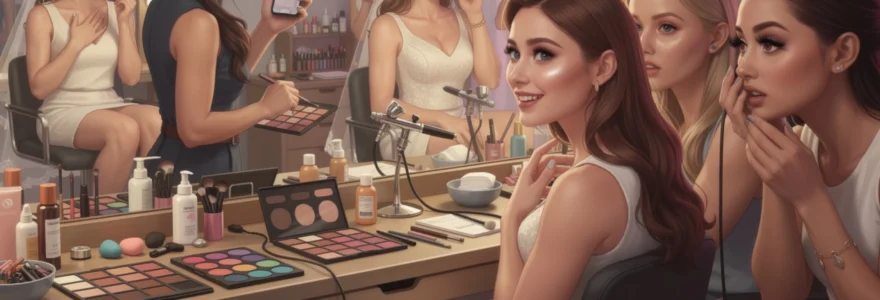
Professional makeup artistry extends far beyond the technical application of cosmetics—it involves understanding human psychology, managing expectations, and navigating the deeply personal relationship between individuals and their self-image. Throughout their careers, makeup artists encounter reactions that range from profound emotional breakthroughs to amusing misconceptions about their craft. These unexpected moments of client feedback reveal fascinating insights into how people perceive beauty, transformation, and the artistry behind professional makeup application.
The beauty industry continues to evolve rapidly, with new techniques, products, and technologies constantly reshaping client expectations. Social media platforms have created unprecedented access to professional makeup looks, yet they’ve also generated unrealistic standards that can leave clients surprised by the reality of professional makeup artistry. Understanding these surprising reactions helps both artists and clients develop more realistic expectations whilst appreciating the true artistry involved in professional makeup application.
Unexpected client reactions to professional makeup transformation results
One of the most consistently surprising aspects of professional makeup artistry lies in clients’ reactions to their transformed appearance. Many individuals arrive with preconceived notions about how they’ll look, only to experience profound emotional responses when they see their reflection for the first time.
Emotional overwhelm from bridal makeup trial sessions
Bridal makeup trials frequently produce the most intense emotional reactions from clients. Many brides-to-be experience overwhelming feelings when they see themselves fully transformed, often describing moments of recognition mixed with disbelief. Professional makeup artists consistently report clients becoming tearful during trials, not from disappointment, but from seeing themselves as they’ve always imagined they could look.
The psychological impact of bridal transformation extends beyond mere appearance enhancement. Clients often express surprise at feeling “like themselves, but better”—a reaction that highlights the skill required to enhance natural features whilst maintaining individual identity. This delicate balance between transformation and authenticity represents one of the most challenging aspects of professional makeup artistry.
Shock at dramatic contouring and highlighting effects
Contouring and highlighting techniques continue to generate significant surprise among clients, particularly those unfamiliar with advanced makeup application methods. The dramatic difference between the application process and final results often leaves clients amazed at how strategic product placement can reshape facial features without surgical intervention.
Many clients express disbelief at how professional contouring techniques can create the illusion of higher cheekbones, a slimmer nose, or more defined jawline. This reaction demonstrates the gap between theoretical understanding of makeup techniques and experiencing their transformative power firsthand. Professional artists frequently educate clients about the science behind these methods, explaining how light and shadow manipulation creates optical illusions that enhance natural bone structure.
Surprise at airbrush foundation coverage capabilities
Airbrush foundation technology continues to surprise clients with its coverage capabilities and natural finish. Many individuals arrive expecting heavy, mask-like coverage, only to discover the lightweight feel and seamless appearance that professional airbrush application provides. This technology gap often creates moments of genuine surprise as clients realise they can achieve full coverage without compromising skin texture or natural movement.
The longevity of airbrush makeup frequently generates additional surprise, with clients reporting their makeup lasting significantly longer than anticipated. Professional artists often receive follow-up messages expressing amazement at how their makeup remained intact throughout long events, challenging preconceptions about makeup durability and professional application techniques.
Client disbelief at false lash application impact
False eyelash application consistently produces dramatic client reactions, particularly among individuals who’ve never experienced professional lash enhancement. The transformation from natural lashes to professionally applied extensions or strips often generates genuine shock, with clients expressing amazement at how this single element can completely change their overall appearance.
Professional lash application techniques have evolved significantly, allowing artists to create effects ranging from subtle enhancement to dramatic glamour. Clients frequently express surprise at the comfort level of properly applied lashes, having expected discomfort or obvious artificial appearance. This reaction highlights the importance of professional technique in achieving natural-looking results that enhance rather than overwhelm natural features.
Technical skill misunderstandings and client education challenges
Professional makeup artistry involves extensive technical knowledge that clients often underestimate or misunderstand. These knowledge gaps frequently lead to surprising feedback as clients
Professional makeup artistry involves extensive technical knowledge that clients often underestimate or misunderstand. These knowledge gaps frequently lead to surprising feedback as clients begin to realise how much thought and training goes into what can appear, from the outside, to be “just putting makeup on.” Many artists find themselves acting as educators as much as service providers, gently correcting myths about products, techniques, and what is realistically achievable with makeup alone.
Colour theory application confusion among clients
One of the most common areas of confusion surrounds colour theory. Clients are often surprised to learn that choosing the right foundation or lipstick shade involves more than simply picking a colour they like. Professional makeup artists routinely assess undertones, depth, and contrast levels to ensure that the chosen colours harmonise with the client’s skin, hair, and eye colour rather than fighting against them.
For many clients, the idea that a cool-toned red lipstick will look dramatically different from a warm-toned red on their complexion is completely new. When artists explain why a beloved shade from a friend’s makeup bag looks “off” on them, clients frequently express astonishment at how subtle shifts in undertone can change the entire effect. This is often the moment they understand that professional colour matching is closer to painting a portrait than picking a paint-by-numbers shade from a shelf.
Neutralising techniques can be even more surprising. When an artist reaches for a peach corrector to counteract blue under-eye circles or uses green to mute redness, clients sometimes worry they will be left with colourful streaks. The reveal—bright under-eyes or even-toned skin that still looks like real skin—often prompts comments such as, “I had no idea this is how makeup artists hide dark circles so well.” Once clients understand basic colour theory in makeup, they are far more likely to trust professional recommendations rather than relying on guesswork at the beauty counter.
Misconceptions about product longevity and setting techniques
Another frequent source of surprising feedback involves how long professional makeup actually lasts. Many clients arrive expecting that a single application will remain flawless for 16 hours of dancing, tears, heat, and hugs without any maintenance. When artists explain the reality—that even the best long-wear makeup benefits from strategic touch-ups—some clients initially react with disappointment or disbelief.
However, after experiencing properly prepped and set makeup, clients are often amazed by the difference compared to their everyday routines. They commonly report that their bridal or event makeup lasted through emotional ceremonies, humid weather, and late-night celebrations with minimal or no visible breakdown. This typically leads to questions about what setting products were used, and surprise that elements such as primer, powder placement, and setting spray can make such a dramatic difference to wear time.
Clients are also frequently shocked to learn that more product does not automatically equal better longevity. Professional makeup artists often use thin, layered applications—primer, light foundation, pinpoint concealing, translucent powder—rather than heavy, single-layer coverage. Like building a house brick by brick rather than stacking one heavy slab, this approach increases durability without making the makeup feel or look “cakey.” Once clients experience this, many say they finally understand why their own heavy-handed attempts at “full coverage” never lasted as long.
Unrealistic expectations from instagram filter comparisons
Perhaps the most challenging form of feedback stems from the influence of filters and social media editing. Clients sometimes arrive with screenshots of highly retouched images and expect to look identical in real life, right down to poreless skin and completely texture-free under-eyes. When professional makeup artists gently explain the limitations of real-world skin, some clients are genuinely surprised to discover that what they admire online often isn’t achievable without digital manipulation.
This comparison culture can create pressure on both sides of the chair. Clients may feel disappointed if they still see pores or fine lines, while artists feel compelled to educate without deflating their client’s excitement. Many professionals now talk openly about the difference between “camera-ready” makeup and “filter-perfect” skin, emphasising that even celebrities and influencers rely on soft lighting, professional retouching, and smoothing filters to create the flawless looks seen on screen.
When clients see their professional makeup both in natural light and in photographs, they’re often shocked by how different the same look can appear. They may comment that it looks much softer in person but strikingly polished on camera, which is precisely the balance many makeup artists aim for. Learning that a makeup artist’s role is to enhance real skin rather than erase it can be a profound mindset shift, often followed by relief: instead of chasing an impossible ideal, clients begin to appreciate looking like the best version of themselves.
Client surprise at professional makeup removal requirements
One of the more practical but still surprising pieces of feedback revolves around removing professional makeup. Clients are often stunned when they realise that a single face wipe is not enough to properly remove long-wear foundation, waterproof mascara, and setting products. Makeup artists frequently receive messages the next day from clients saying, “I had no idea it would take this much effort to take it all off!”
Because professional makeup is designed to withstand hours of wear, heat, and sometimes even tears, it understandably requires more thorough cleansing. Double cleansing—first with an oil-based or balm cleanser, followed by a gentle water-based cleanser—is standard advice among professionals, but many clients are hearing this for the first time. They’re often surprised to learn that inadequate removal is one of the main reasons behind breakouts, irritation, and dull-looking skin after big events.
Once clients understand that “bulletproof” makeup also demands a “bulletproof” removal routine, they tend to become much more conscientious about skincare. Many artists share simple post-event routines or product recommendations to prevent clients from scrubbing their skin harshly or going to bed with traces of makeup still on. This aftercare conversation is another area where clients realise how deeply professional makeup artistry intersects with skin health and long-term beauty, not just short-term transformation.
Behind-the-scenes professional insights clients never expected
Beyond the brushes and palettes, much of what surprises clients about makeup artists lies in the backstage work they never see. From the outside, professional makeup artistry can look like a purely creative job, but the reality includes business management, hygiene standards, emotional labour, and continuous education. When clients learn what goes on behind the scenes, their respect for the profession often deepens considerably.
Many are astonished, for example, by the rigorous hygiene protocols most professional makeup artists follow. Regular brush disinfection, single-use disposables for mascara and lip products, decanting creams onto palettes rather than using products straight from the packaging—these practices ensure safety and prevent cross-contamination. Clients frequently comment that they “never realised how clinical” the process is underneath the glamour, and some admit they’ll never look at shared testers or communal makeup bags in the same way again.
Another common surprise is the amount of planning and time management involved in creating a calm, well-organised environment, especially for weddings and group bookings. Artists often build detailed schedules, factor in buffer times for delays, and coordinate with photographers or planners to keep everything running smoothly. Clients regularly say things like, “You kept the whole morning on track,” not realising until that moment that their makeup artist has essentially been quietly project-managing behind the scenes.
Then there is the emotional aspect. Professional makeup artists routinely navigate nerves, body image insecurities, and sometimes deeply personal stories shared in the chair. Many clients later express gratitude and surprise at how therapeutic the experience felt, describing their artist as part-beauty expert, part-therapist, and part-cheerleader. This emotional support, while rarely mentioned on price lists, is a key reason so many clients return to the same artist again and again for milestone events.
Industry-specific feedback on editorial and special effects makeup
While most people are familiar with bridal or occasion makeup, feedback from editorial, fashion, and special effects clients reveals an entirely different set of surprises. Editorial work, for instance, often involves deliberately unconventional looks—bleached brows, graphic liner, glossy lids—that can seem exaggerated or even strange in person. Yet when clients see the final images, they are frequently stunned by how cohesive and artistic the look appears on camera.
Models, actors, and creative directors often comment on how different makeup reads under studio lighting and high-resolution cameras compared to everyday environments. Techniques that feel “too much” in the mirror can look perfectly balanced—or even understated—once captured through a lens. This is why professional makeup for photo shoots is often likened to stage set design: up close it might appear exaggerated, but at the right distance it creates the desired visual story.
Special effects (SFX) makeup generates some of the most dramatic reactions of all. Clients and performers are often amazed at how quickly a skilled artist can turn them into an entirely different character, complete with realistic wounds, ageing effects, or fantasy creatures. They commonly describe forgetting they are in makeup at all until they catch sight of themselves and feel briefly startled, a testament to just how convincing these illusions can be.
Behind the scenes, many are surprised to learn how much of SFX work is rooted in traditional art principles: sculpting, colour theory, and an understanding of anatomy. Feedback frequently includes comments like, “I had no idea this was so technical,” or “I thought it was all pre-made prosthetics.” In reality, artists often blend pre-made pieces with hand-painted details and on-the-spot adjustments to accommodate facial movement and comfort.
There is also growing client awareness and surprise around the time commitment required for complex editorial or SFX looks. Multi-hour application and removal processes, on-set touch-ups, and continuity checks between scenes are standard in professional environments. Once clients have experienced a day on set, they often gain a new appreciation not only for the artist’s creative vision, but also for their stamina and precision under time pressure.
Personal confidence transformations through professional makeup artistry
Perhaps the most meaningful and surprising feedback makeup artists receive centres on personal confidence. Many clients initially book a professional makeup appointment for a specific event, expecting nothing more than to look “nice” for the day. What takes them off guard is how profoundly the experience can shift how they feel about themselves, both inside and out.
Clients frequently share that they felt “like themselves for the first time” after seeing their features enhanced in a way that aligns with their personality and identity. For people who rarely wear makeup—or who have had negative experiences in the past—this can be a powerful revelation. It’s not unusual for artists to receive follow-up messages days or weeks later saying that the appointment motivated them to update their skincare, experiment with new techniques, or finally take a full-face photo they actually like.
For others, particularly those navigating life changes such as ageing, illness, or gender transition, professional makeup artistry can serve as a tool of affirmation. The simple act of having someone focus on their face with care, listen to their concerns without judgement, and create a look that reflects who they want to be seen as in the world can be deeply validating. Many clients are surprised to discover that what felt like a “treat” booking actually becomes part of their larger self-care and self-expression journey.
Makeup artists themselves often describe these moments as the most rewarding part of their work. They hear feedback not just about how long the eyeliner lasted or how flawless the foundation looked, but about how the experience changed a client’s relationship with the mirror. When someone says, “I didn’t know I could look like this without losing myself,” or “You helped me see myself in a kinder way,” it highlights the true depth of professional makeup artistry: beyond products and techniques, it is a craft capable of shifting how people see and value themselves.