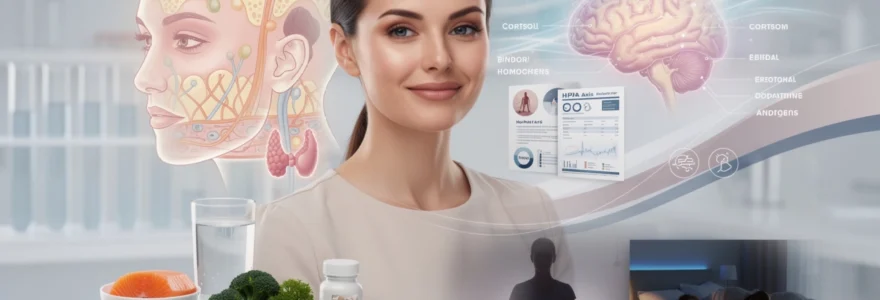
Hormonal equilibrium represents one of the most influential yet frequently overlooked factors in achieving optimal dermatological health and emotional wellbeing. These chemical messengers orchestrate countless physiological processes throughout your body, from cellular turnover in the epidermis to neurotransmitter production in the brain. When hormone levels drift outside their optimal ranges, the consequences manifest visibly on your skin and profoundly affect your mental state. Research indicates that approximately 55% of women experience fatigue related to hormonal fluctuations, whilst 49% report anxiety symptoms tied directly to endocrine imbalances. Understanding the intricate relationships between your hormones, skin health, and mood provides the foundation for implementing targeted interventions that can transform both your complexion and emotional stability.
Understanding the endocrine system’s impact on dermatological health
The endocrine system functions as your body’s internal communication network, with hormones serving as chemical messengers that regulate everything from metabolic processes to immune function. Your skin, being the body’s largest organ, contains receptors for virtually every hormone produced by your endocrine glands. This extensive receptor network means that hormonal fluctuations directly translate into visible changes in your complexion, from texture and tone to hydration levels and inflammatory responses. The relationship between your endocrine system and dermatological health operates bidirectionally—just as hormones affect your skin, skin conditions can influence hormone production through complex feedback mechanisms involving stress responses and inflammatory cascades.
Cortisol dysregulation and inflammatory skin conditions
Cortisol, commonly known as the stress hormone, plays a crucial role in managing inflammation throughout your body. Produced by the adrenal glands, cortisol follows a natural circadian rhythm, typically peaking in the morning and declining throughout the day. However, chronic stress disrupts this pattern, leading to sustained cortisol elevation that wreaks havoc on your skin. When cortisol levels remain elevated, several detrimental processes occur simultaneously: collagen degradation accelerates, sebaceous gland activity increases, and the skin’s barrier function becomes compromised. Studies demonstrate that individuals experiencing chronic stress show a 40% reduction in skin barrier recovery rates compared to those with balanced cortisol levels.
The inflammatory cascade triggered by cortisol dysregulation exacerbates conditions such as eczema, psoriasis, and rosacea. Elevated cortisol stimulates the production of pro-inflammatory cytokines, creating a systemic inflammatory state that manifests as redness, irritation, and heightened sensitivity. Your skin becomes more reactive to environmental triggers, and wound healing slows considerably. Additionally, cortisol interferes with the production of hyaluronic acid, a crucial molecule responsible for maintaining skin hydration, resulting in a dull, dehydrated complexion that shows premature signs of ageing.
Oestrogen fluctuations and collagen synthesis mechanisms
Oestrogen represents one of the most significant hormones for maintaining youthful, resilient skin. This hormone stimulates fibroblasts to produce collagen and elastin, the structural proteins that give your skin its firmness and elasticity. Oestrogen also promotes the synthesis of glycosaminoglycans, which attract and retain moisture within the dermal matrix. During your reproductive years, oestrogen levels fluctuate throughout your menstrual cycle, with peak levels during the follicular phase contributing to that coveted “glowing” complexion. However, as you approach perimenopause, typically beginning around age 41, oestrogen production begins its gradual decline, and the effects on your skin become increasingly apparent.
Research indicates that women lose approximately 30% of their skin collagen within the first five years following menopause due to declining oestrogen levels. This dramatic reduction in collagen density leads to visible sagging, increased fine lines, and a loss of skin thickness. The decrease in oestrogen also affects sebum production, often resulting in drier skin that feels tight and uncomfortable. Furthermore, oestrogen influences melanocyte activity, meaning hormonal fluctuations can trigger or worsen hyperpigmentation issues such as melasma. Understanding these mechanisms allows you to implement targeted strategies, from topical treatments to nutritional interventions, that support collagen synthesis and mitigate the visible effects of oestrogen decline
To support healthy oestrogen levels for skin and mood, it becomes important to focus on habits that stabilise hormones rather than create further volatility. This includes managing chronic stress, avoiding extreme dieting, prioritising quality sleep, and consuming a diet rich in phytoestrogens, healthy fats, and high-quality protein. Targeted topical strategies, such as using retinoids and peptides that stimulate collagen synthesis, can complement internal hormone support, but they cannot fully compensate for depleted oestrogen. Ultimately, nurturing your hormonal balance from the inside out offers the most sustainable path to maintaining firm, radiant skin as you transition through different life stages.
Androgens and sebaceous gland hyperactivity in acne vulgaris
Androgens, including testosterone and dihydrotestosterone (DHT), are powerful regulators of sebaceous gland activity. Both men and women produce androgens, but when levels become elevated or when the skin is particularly sensitive to them, sebaceous glands produce excess sebum. This surplus oil mixes with dead skin cells and bacteria within the hair follicle, creating the ideal environment for comedones and inflammatory acne lesions. Clinical studies show that up to 60–70% of women with persistent adult acne demonstrate some form of androgen excess or heightened androgen sensitivity.
During puberty, pregnancy, polycystic ovary syndrome (PCOS), and even periods of high stress, androgen levels can surge, leading to flare-ups of acne vulgaris. You may notice breakouts concentrated along the jawline, chin, and lower face, which are classic patterns of hormonally driven acne. Androgens also influence keratinocyte proliferation, promoting the clogging of pores and increasing the likelihood of cystic lesions that are painful and more likely to scar. When you pair this with a disrupted skin barrier and inflammatory diet, the result is often chronic, difficult-to-treat acne that significantly affects self-esteem and mood.
Addressing androgen-related acne involves a dual strategy: modulating hormone levels and supporting the skin locally. From a lifestyle perspective, improving insulin sensitivity through balanced blood sugar, regular exercise, and stress management can indirectly lower excessive androgen production, particularly in PCOS. Dermatologically, non-comedogenic skincare, benzoyl peroxide, salicylic acid, and retinoids help normalise cell turnover and keep pores clear. In some cases, targeted medical therapies such as combined oral contraceptives or anti-androgen medications (discussed later) are necessary to bring sebum production and inflammatory acne under control.
Thyroid hormone deficiency and dermal barrier function
The thyroid gland, through the secretion of thyroxine (T4) and triiodothyronine (T3), exerts a profound influence on skin texture, hydration, and overall resilience. Thyroid hormones regulate basal metabolic rate within skin cells, impacting protein synthesis, lipid production, and cellular turnover. In hypothyroidism, where thyroid hormone levels are insufficient, the skin frequently appears dry, coarse, and cool to the touch due to reduced circulation and impaired sebaceous gland activity. Studies suggest that up to 70% of individuals with hypothyroidism report dermatological symptoms, including xerosis (severe dryness) and pruritus (itching).
Thyroid hormone deficiency disrupts the integrity of the dermal barrier by altering the composition and organisation of epidermal lipids. When this lipid matrix is compromised, transepidermal water loss (TEWL) increases, and your skin struggles to retain moisture, making it more vulnerable to irritants and allergens. Hair may become brittle and thin, nails may grow more slowly, and wound healing often slows due to reduced cell proliferation. Because these symptoms can develop gradually, many people normalise their dry, reactive skin without realising there may be an underlying endocrine cause.
If you suspect thyroid-related skin issues—perhaps alongside fatigue, weight changes, cold intolerance, or hair shedding—it is crucial to seek medical evaluation rather than relying solely on topical treatments. Optimising thyroid function with appropriate medication can dramatically improve dermal barrier function and overall skin quality over several months. In parallel, using gentle, fragrance-free cleansers, rich ceramide-based moisturisers, and avoiding harsh exfoliants helps rebuild barrier integrity. Thinking of thyroid hormones as your skin’s “metabolic thermostat” can be helpful: when it is set too low, everything slows, including the processes that keep your complexion supple and resilient.
The HPA axis and neurotransmitter equilibrium for emotional stability
While skin may provide the most visible clues of hormonal imbalance, your mood and emotional resilience are equally shaped by endocrine function. Central to this is the hypothalamic-pituitary-adrenal (HPA) axis, the communication loop between your brain and adrenal glands that governs your stress response. When the HPA axis works smoothly, cortisol and other stress mediators rise and fall in a controlled rhythm, allowing you to respond to challenges without remaining in a constant state of alarm. However, in modern life, chronic stress can leave this system stuck in overdrive, altering neurotransmitter levels and contributing to anxiety, low mood, and sleep disturbances.
Hormones and neurotransmitters interact like members of a finely tuned orchestra: when one section starts playing too loudly or out of time, the entire performance feels off. Cortisol influences serotonin, dopamine, and GABA activity, while sex hormones such as oestrogen and progesterone modulate receptors in key brain regions associated with emotion and cognition. This means that hormonal balance is not only about avoiding obvious endocrine disorders but also about supporting the subtle neurochemical shifts that underlie your capacity to feel calm, focused, and emotionally stable. By understanding these mechanisms, you can be more strategic about lifestyle and nutritional choices that help stabilise your mood.
Chronic stress-induced cortisol elevation and mood dysregulation
Cortisol is essential for short-term survival—it primes your body to respond to threat by increasing blood sugar, sharpening focus, and mobilising energy. Problems arise when cortisol remains chronically elevated due to persistent psychological stress, sleep deprivation, or unresolved trauma. Research indicates that long-term cortisol dysregulation is linked to higher rates of anxiety, depression, and irritability, as well as impaired memory and concentration. It is no coincidence that times of relentless stress often coincide with both mood disturbances and worsening skin conditions.
From a neurobiological perspective, sustained high cortisol levels can shrink the hippocampus, a brain region critical for memory and emotional regulation, while hyperactivating the amygdala, which processes fear and threat. This imbalance makes you more reactive, less resilient, and prone to rumination and worry. At the same time, chronic cortisol elevation disrupts sleep architecture, particularly deep and REM sleep, further impairing your ability to regulate emotions. You may find yourself stuck in a loop: poor sleep raises cortisol, elevated cortisol worsens mood, and low mood makes restorative sleep even harder to achieve.
Breaking this cycle involves both stress reduction and physiological regulation. Evidence-based practices such as regular aerobic exercise, diaphragmatic breathing, mindfulness meditation, and cognitive behavioural strategies can reduce cortisol and improve stress resilience. Even simple interventions—like setting boundaries around work email, taking a 10-minute walk outside during daylight, or implementing a relaxing pre-sleep routine—can shift the HPA axis towards a more balanced state. As cortisol normalises, many people notice not only improved mood stability but also fewer inflammatory skin flare-ups, reinforcing how tightly connected emotional and dermatological health truly are.
Serotonin precursor availability and tryptophan metabolism
Serotonin, often described as a key “feel-good” neurotransmitter, plays a pivotal role in regulating mood, appetite, and sleep. Your body synthesises serotonin from the essential amino acid tryptophan, which must be obtained through diet. However, simply eating more tryptophan-rich foods does not guarantee higher serotonin, because the metabolic pathways involved are influenced by inflammation, stress hormones, and micronutrient availability. Under conditions of chronic stress or systemic inflammation, more tryptophan is diverted down the kynurenine pathway, away from serotonin production, which can contribute to low mood and fatigue.
Insulin also plays a role in tryptophan’s journey to the brain. When you consume carbohydrates alongside protein, insulin helps shuttle competing amino acids into muscle tissue, leaving proportionally more tryptophan available to cross the blood–brain barrier. This is one reason balanced meals that combine complex carbohydrates, lean protein, and healthy fats can support more stable mood compared with highly restrictive or erratic eating patterns. Deficiencies in vitamin B6, folate, and magnesium can further impair serotonin synthesis, as these nutrients act as co-factors in the metabolic steps from tryptophan to serotonin and melatonin.
To support serotonin production naturally, focus on a nutrient-dense diet that includes sources of tryptophan such as turkey, eggs, legumes, seeds, and oats, paired with complex carbohydrates like quinoa or sweet potato. Reducing chronic inflammation through omega-3 fatty acids, colourful vegetables, and limiting ultra-processed foods can help keep more tryptophan available for serotonin rather than diverting it into neurotoxic metabolites. You might think of tryptophan metabolism as a crossroads: your daily choices help determine whether it moves towards mood-supportive serotonin or towards pathways that can aggravate fatigue and low mood.
Gaba-progesterone interactions in premenstrual dysphoric disorder
Premenstrual dysphoric disorder (PMDD) represents a severe form of premenstrual syndrome characterised by intense mood swings, irritability, depression, and anxiety in the luteal phase of the menstrual cycle. A key player in PMDD is the interaction between progesterone and the neurotransmitter gamma-aminobutyric acid (GABA), the brain’s primary inhibitory or “calming” messenger. Progesterone is metabolised into allopregnanolone, a neurosteroid that binds to GABAA receptors, typically enhancing feelings of relaxation and reducing anxiety. However, in susceptible individuals, rapid fluctuations in allopregnanolone levels appear to destabilise these receptors, paradoxically triggering mood symptoms rather than alleviating them.
Think of GABA receptors as volume knobs for brain excitability: under stable conditions, progesterone metabolites help gently turn the volume down, easing tension and promoting sleep. In PMDD, these knobs become overly sensitive, so even normal hormonal shifts feel like sudden jolts in brain chemistry. Women with PMDD often report feeling fine in the first half of their cycle, only to experience a predictable onset of mood disturbance in the week or two before menstruation. These symptoms resolve once bleeding begins, highlighting their tight linkage to luteal phase hormone dynamics rather than to personality or resilience.
Management strategies for PMDD may include lifestyle foundations—regular exercise, stress management, and sleep hygiene—as well as targeted medical interventions. Selective serotonin reuptake inhibitors (SSRIs), sometimes taken only during the luteal phase, are considered first-line treatment and can significantly reduce mood symptoms for many women. Some benefit from hormonal contraceptives that suppress ovulation and flatten hormonal fluctuations, though others may find their symptoms worsen. Nutritional support focusing on magnesium, vitamin B6, and stabilising blood sugar can also provide incremental improvements. If your mood feels unrecognisably different in the second half of your cycle, tracking your symptoms over several months can help you and your clinician identify whether PMDD might be contributing.
Dopamine pathways and reward system modulation
Dopamine is central to the brain’s reward circuitry, influencing motivation, pleasure, and goal-directed behaviour. While often associated with addiction or instant gratification, dopamine is also what helps you feel satisfied after completing tasks, engaging in meaningful work, or connecting with others. Hormones and stress levels significantly affect dopamine pathways. For example, chronic stress and elevated cortisol can blunt dopamine signalling in the prefrontal cortex, contributing to anhedonia (reduced ability to feel pleasure), low motivation, and difficulty focusing.
Sex hormones also modulate dopamine activity. Oestrogen, in particular, can enhance dopamine synthesis and receptor sensitivity in certain brain regions, which may partly explain why some women feel more energetic, confident, and socially engaged during the mid-cycle ovulatory window when oestrogen peaks. Conversely, during times of hormonal transition—such as postpartum, perimenopause, or after discontinuing certain contraceptives—shifts in oestrogen can contribute to changes in motivation and drive. You might notice that habits which once felt easy, like going to the gym or pursuing creative projects, suddenly require more effort.
Supporting healthy dopamine function involves creating a lifestyle that provides regular, sustainable “rewards” rather than relying solely on quick hits from sugar, social media, or alcohol. This can include setting realistic goals, breaking tasks into manageable steps, and intentionally celebrating small wins to keep your reward circuitry engaged. Nutritionally, adequate protein (for tyrosine, dopamine’s amino acid precursor), omega-3 fats, and B vitamins are important for optimal dopamine synthesis. By aligning your daily rhythms with your hormonal patterns—planning demanding tasks when your energy and focus naturally peak—you can work with, rather than against, your body’s reward system.
Nutritional interventions for endocrine optimisation
Nutrition is one of the most powerful levers you can pull to support hormonal balance for healthier skin and a more stable mood. Unlike one-off treatments, your daily meals provide recurring opportunities to influence inflammation, blood sugar, gut microbiome composition, and the raw materials needed for hormone and neurotransmitter synthesis. A hormone-supportive diet does not need to be extreme or complicated; instead, it focuses on consistent patterns such as prioritising whole foods, balancing macronutrients, and including targeted functional ingredients that modulate endocrine pathways.
When you view food as information rather than just fuel, its impact on your hormonal health becomes clearer. Specific nutrients influence prostaglandin production, oestrogen metabolism, androgen activity, and stress resilience, all of which show up in your complexion and emotional wellbeing. By being intentional about what you place on your plate—rather than relying on restrictive rules—you can create a nutritional foundation that helps calm inflammation, stabilise blood sugar, and support the endocrine system’s intricate feedback loops. The following interventions highlight key dietary strategies with evidence-backed benefits for hormone balance.
Omega-3 fatty acids and anti-inflammatory prostaglandin production
Omega-3 fatty acids, particularly EPA and DHA found in oily fish, play a central role in modulating inflammation through their influence on eicosanoid and prostaglandin synthesis. Prostaglandins derived from omega-3s tend to be anti-inflammatory, whereas those derived from excessive omega-6 intake can promote pro-inflammatory pathways. Given that chronic, low-grade inflammation underpins many hormone-related concerns—from acne and eczema to depression and insulin resistance—optimising your omega-3 status is a cornerstone of hormone-friendly nutrition. Meta-analyses have shown that omega-3 supplementation can improve depressive symptoms and may reduce inflammatory skin lesions in conditions such as psoriasis.
For skin health, omega-3s help maintain cell membrane fluidity, supporting better barrier function, hydration, and resilience against environmental stressors. They can reduce the production of inflammatory cytokines that exacerbate redness and swelling in acne or rosacea. From a mood perspective, DHA is a major structural component of neuronal membranes, and EPA has been linked to improved mood regulation, possibly by dampening neuroinflammation. Many people consume far more omega-6 than omega-3, creating an imbalanced ratio that favours inflammation and can indirectly disrupt hormonal balance.
To increase omega-3 intake, aim to include oily fish such as salmon, mackerel, sardines, or anchovies two to three times per week, or consider a high-quality algae or fish oil supplement if you do not eat fish (after consulting a healthcare professional). Plant sources like flaxseeds, chia seeds, and walnuts provide ALA, a precursor that is only partially converted to EPA and DHA, but still contribute beneficially. Pairing these fats with plenty of colourful vegetables, particularly those rich in antioxidants, helps protect delicate fatty acids from oxidative stress and enhances their anti-inflammatory potential.
Cruciferous vegetables and oestrogen metabolite detoxification
Cruciferous vegetables—such as broccoli, kale, Brussels sprouts, cauliflower, and cabbage—contain unique compounds that support healthy oestrogen metabolism. When you chew and digest these vegetables, glucosinolates break down into biologically active molecules like indole-3-carbinol (I3C) and diindolylmethane (DIM). These compounds influence how the liver processes oestrogen, encouraging the production of more favourable metabolites and facilitating efficient clearance through bile and urine. This can be especially helpful for individuals experiencing oestrogen dominance symptoms, such as heavy periods, cyclical breast tenderness, or hormonally driven pigmentation.
Oestrogen is not a single entity but rather a family of hormones and metabolites with varying biological effects. Some metabolites are more proliferative and potentially problematic when present in excess, while others are more benign. By supporting phase I and phase II liver detoxification pathways, cruciferous vegetables help tip the balance towards protective metabolites and away from those associated with higher risks of certain hormone-sensitive conditions. You might think of them as “traffic controllers” ensuring oestrogen moves smoothly along safer metabolic routes.
To leverage these benefits, aim to include at least one serving of cruciferous vegetables most days of the week, rotating different types for a broader spectrum of phytonutrients. Lightly steaming or sautéing them can improve digestibility while preserving key compounds, although some people also tolerate them well raw. Pairing crucifers with a source of healthy fat, such as olive oil or avocado, enhances the absorption of fat-soluble vitamins and carotenoids. If you suspect significant oestrogen imbalance or take medications such as anticoagulants, it is wise to discuss any major dietary changes or concentrated supplements like DIM with your healthcare provider.
Zinc and vitamin D supplementation for testosterone balance
Zinc and vitamin D are two micronutrients with profound effects on androgen regulation and immune function, both of which influence skin health and mood. Zinc plays roles in over 300 enzymatic reactions, including those involved in hormone synthesis, antioxidant defence, and wound healing. Adequate zinc helps modulate 5α-reductase, the enzyme that converts testosterone into its more potent metabolite DHT, which is implicated in acne and hair follicle miniaturisation. Low zinc status has been associated with increased acne severity and poorer response to treatment, while supplementation can improve lesion counts in some individuals.
Vitamin D acts more like a hormone than a conventional vitamin, with receptors distributed throughout the brain, skin, and immune system. Deficiency is common, particularly in regions with limited sunlight exposure or among those who spend most of their time indoors. Suboptimal vitamin D levels have been linked to insulin resistance, low mood, and inflammatory skin conditions such as psoriasis and atopic dermatitis. Additionally, emerging research suggests vitamin D may play a role in regulating androgen production and improving metabolic parameters in conditions like PCOS, where testosterone levels are often elevated.
If you experience persistent acne, irregular cycles, low mood, or unexplained fatigue, checking zinc and vitamin D levels through appropriate testing can provide valuable insights. Dietary sources of zinc include shellfish (especially oysters), red meat, pumpkin seeds, and legumes, while vitamin D is synthesised in the skin through sun exposure and is present in smaller amounts in oily fish and fortified foods. Because both nutrients can be harmful in excessive doses, supplementation should ideally be guided by lab results and professional advice. When optimised, zinc and vitamin D act like behind-the-scenes coordinators, helping keep androgen activity, skin integrity, and mood regulation in a healthier range.
Adaptogenic herbs including ashwagandha and rhodiola rosea
Adaptogens are a class of botanicals traditionally used to help the body adapt to physical and emotional stress. While they are not a substitute for medical treatment, certain adaptogens—such as ashwagandha and Rhodiola rosea—have gained research support for their ability to modulate the HPA axis, reduce perceived stress, and improve aspects of mood and cognitive function. By gently influencing cortisol and supporting resilience, they can indirectly benefit hormone balance, skin inflammation, and emotional wellbeing.
Ashwagandha (Withania somnifera) has been shown in several randomised controlled trials to reduce cortisol levels and improve stress, anxiety, and sleep quality in adults. For some individuals, this translates into fewer stress-related breakouts, improved energy, and more stable mood. Rhodiola rosea, on the other hand, is often described as more stimulating, supporting mental clarity and reducing fatigue, particularly in people experiencing burnout-like symptoms. It appears to influence monoamine neurotransmitters, including serotonin and dopamine, though the exact mechanisms are still being elucidated.
Because herbal medicines can interact with prescriptions and are not appropriate for everyone—for example, those who are pregnant, breastfeeding, or managing specific psychiatric or autoimmune conditions—it is essential to consult a qualified practitioner before starting adaptogens. If you do incorporate them, think of them as one piece of a broader hormone-balancing strategy that prioritises sleep, nutrition, movement, and emotional support. No herb can override the effects of chronic sleep deprivation, ultra-processed food, and unrelenting stress, but the right adaptogen, used judiciously, may help make sustainable lifestyle changes feel more achievable.
Lifestyle modifications for circadian rhythm restoration
Your circadian rhythm functions as an internal 24-hour clock, synchronising hormone release, sleep–wake cycles, digestion, and even skin repair. When this rhythm is well aligned with the natural light–dark cycle—meaning you get morning light, daytime activity, and evening darkness—hormones such as cortisol, melatonin, insulin, and growth hormone follow predictable, health-promoting patterns. However, late-night screen use, irregular sleep schedules, shift work, and constant exposure to artificial light can disrupt this delicate timing, leading to hormonal imbalances that affect both skin and mood.
Restoring circadian alignment is one of the most low-cost yet powerful ways to support hormonal health. Think of it as resetting the master conductor of your endocrine and nervous systems. Even modest changes—such as going to bed 30 minutes earlier, dimming lights in the evening, or stepping outside shortly after waking—send strong signals to the brain about when to stay alert and when to power down. Over time, these signals help normalise cortisol rhythms, enhance melatonin production, and optimise the nocturnal release of growth hormone, which is vital for tissue repair and skin regeneration.
Sleep architecture and melatonin-growth hormone release
Sleep is not a uniform state but a cyclical process composed of distinct stages, including light sleep, deep slow-wave sleep, and rapid eye movement (REM) sleep. Each stage plays a unique role in physical restoration and emotional processing. Melatonin, produced by the pineal gland in response to darkness, helps initiate sleep by lowering core body temperature and signalling that it is time to rest. Once asleep, particularly during deep slow-wave stages, the pituitary gland secretes growth hormone (GH), which drives protein synthesis, tissue repair, and regeneration of skin, muscle, and bone.
If you routinely cut your sleep short or fragment it with frequent awakenings, you reduce the total time spent in deep sleep and REM. This can blunt GH release and compromise the overnight repair processes that keep your skin resilient and your brain refreshed. Research has linked chronic sleep deprivation to accelerated skin ageing, impaired barrier recovery after UV exposure, and increased inflammatory markers. On the psychological side, disrupted sleep architecture is strongly associated with mood disorders, including anxiety and depression, due to impaired processing of emotional experiences and reduced neuroplasticity.
To support healthy melatonin and growth hormone rhythms, aim for a consistent sleep window of roughly seven to nine hours, depending on your individual needs. Reduce exposure to blue light from screens in the one to two hours before bed, or use blue-light filters if avoidance is not possible. Creating a calming pre-sleep routine—such as reading, stretching, or taking a warm bath—helps cue the body that it is time to transition into rest mode. Keeping your bedroom cool, dark, and quiet further supports high-quality sleep architecture, allowing your hormones to follow their natural nocturnal choreography.
High-intensity interval training and insulin sensitivity
Movement is a potent regulator of hormonal health, and high-intensity interval training (HIIT) has received particular attention for its effects on insulin sensitivity and metabolic function. HIIT typically alternates short bursts of vigorous activity with periods of rest or low-intensity movement. Studies suggest that even relatively brief HIIT sessions can significantly improve insulin sensitivity, reduce visceral fat, and enhance cardiovascular fitness, sometimes more efficiently than longer, moderate-intensity workouts. Better insulin sensitivity translates into more stable blood sugar, reduced risk of type 2 diabetes, and improved androgen balance, especially relevant for individuals with PCOS or acne-prone skin.
When insulin is chronically elevated due to frequent high-sugar intake, sedentary behaviour, or genetic predisposition, it can drive excess androgen production and increase the activity of 5α-reductase, fuelling acne and hair changes. By improving the body’s responsiveness to insulin, HIIT helps lower baseline insulin levels and indirectly calms this androgenic drive. Additionally, exercise itself acts as a natural antidepressant, stimulating the release of endorphins, serotonin, and dopamine, which can improve mood, reduce anxiety, and promote better sleep—all crucial components of hormonal balance.
However, more intense is not always better. If you are under significant stress, experiencing adrenal fatigue symptoms, or recovering from illness, excessive HIIT can become another stressor, raising cortisol and undermining recovery. The key is to find an appropriate dose—perhaps two to three short HIIT sessions per week, interspersed with gentler activities like walking, yoga, or Pilates. Listening to your body, tracking your energy, sleep, and mood, and adjusting your training load accordingly can help ensure that exercise supports, rather than disrupts, your endocrine health.
Meditation practices and autonomic nervous system regulation
The autonomic nervous system (ANS) governs involuntary functions such as heart rate, digestion, and respiratory rate, and it consists of two main branches: the sympathetic (“fight or flight”) and the parasympathetic (“rest and digest”). Many of us spend disproportionate time in sympathetic dominance due to constant notifications, work pressures, and emotional stressors. This chronic activation raises cortisol and adrenaline, disrupts digestion, and primes the body for inflammation. Meditation and related mind–body practices act as powerful tools for shifting the ANS towards parasympathetic dominance, thereby supporting more harmonious hormonal signalling.
Regular meditation has been shown to reduce perceived stress, lower blood pressure, and even alter brain structures associated with attention and emotional regulation. From a hormonal standpoint, these changes correspond with more stable cortisol patterns, improved sleep, and enhanced resilience to daily challenges. For skin, reducing stress reactivity can mean fewer inflammatory flares and less compulsive picking or touching, behaviours that often worsen acne and dermatitis. For mood, even brief daily practices—such as five minutes of guided breathing or body scanning—can create noticeable shifts over time.
If traditional meditation feels intimidating, consider starting with accessible techniques like diaphragmatic breathing, progressive muscle relaxation, or mindfulness-based walking. The goal is not to “empty your mind” but to cultivate a more balanced relationship with your thoughts and stressors, giving your nervous system frequent opportunities to reset. Over weeks and months, this repeated activation of the parasympathetic branch helps re-train your stress response, aligning the ANS and endocrine system in a way that supports clearer skin, steadier mood, and overall wellbeing.
Topical and systemic treatments for hormone-related dermatoses
While nutrition and lifestyle form the foundation of hormonal balance, many people also benefit from targeted topical and systemic therapies, especially when dealing with entrenched hormone-related skin conditions. Acne, melasma, rosacea, and premature ageing often require a combined approach that addresses both internal drivers and local skin changes. Working with a dermatologist or skin specialist can help you select evidence-based treatments that complement your efforts to balance hormones through diet, stress management, and sleep optimisation.
It can be helpful to view topical and systemic treatments as tools that provide symptom relief and prevent long-term damage while you address root causes more gradually. For example, reducing active acne lesions with retinoids or anti-androgen medications can prevent scarring and improve self-confidence, making it easier to maintain the lifestyle habits needed for sustained hormonal health. Similarly, barrier-repair products support skin resilience, allowing your complexion to better tolerate other active ingredients and environmental stressors.
Retinoid therapy and cellular turnover enhancement
Retinoids, derivatives of vitamin A, are among the most extensively studied and effective topical agents for acne, photoageing, and some forms of hyperpigmentation. They work by binding to nuclear receptors in skin cells, promoting normalisation of keratinisation, increasing cellular turnover, and stimulating collagen production. In acne, this helps prevent comedone formation by keeping pores clear and reducing the build-up of dead skin cells and sebum. In photoaged skin, retinoids can soften fine lines, improve texture, and fade some pigmentary irregularities, making them invaluable in addressing both current breakouts and their long-term consequences.
Because orally driven hormonal shifts often result in sluggish cell turnover and increased keratin plugging, retinoids offer a powerful way to counteract these changes at the skin surface. However, they can initially cause dryness, redness, and peeling, especially if introduced too quickly or at high concentrations. This is where barrier support becomes essential: pairing retinoids with a gentle cleanser, hydrating serum, and non-comedogenic moisturiser helps minimise irritation and maintain skin comfort during the adaptation phase.
When starting retinoid therapy, it is usually wise to begin with a lower strength, apply it two to three nights per week, and gradually increase frequency as tolerated. Prescription options such as tretinoin or adapalene are typically stronger and more effective for moderate to severe acne, while over-the-counter retinol or retinaldehyde products may be appropriate for milder concerns or sensitive skin. Consistency is key; benefits often become noticeable after 8–12 weeks and continue to build over several months. Always use daily broad-spectrum sunscreen when using retinoids, as they can increase photosensitivity and unprotected UV exposure can undermine progress.
Spironolactone as an antiandrogen for adult female acne
For women with persistent, hormonally driven acne—particularly along the jawline and lower face—systemic anti-androgen therapy can be transformative. Spironolactone, an oral medication originally developed as a diuretic, also acts as an androgen receptor antagonist. It reduces the effect of testosterone and DHT on sebaceous glands, thereby decreasing sebum production and the formation of inflammatory lesions. Numerous studies have demonstrated its efficacy and safety profile in adult female acne, with many patients experiencing significant improvement over several months of treatment.
Spironolactone is typically reserved for women, as its anti-androgenic effects can cause undesirable side effects in men. Common doses range from 50 to 200 mg per day, depending on severity and tolerance, and treatment is often combined with topical therapies such as retinoids or benzoyl peroxide. Some women may also use it alongside certain forms of hormonal contraception, which can provide additional cycle regulation and symptom relief. As with any systemic medication, potential side effects—including menstrual irregularities, breast tenderness, dizziness, or increased urination—should be discussed with a prescribing clinician.
Because spironolactone targets one of the key hormonal drivers of acne, it can be a valuable tool while you work on improving insulin sensitivity, stress resilience, and nutritional status. Many women find that combining spironolactone with dietary strategies (such as stabilising blood sugar and addressing dairy or high-glycaemic foods) offers synergistic benefits. Regular follow-up appointments, and in some cases blood tests to monitor potassium levels and kidney function, help ensure that treatment remains safe and effective over time.
Niacinamide and ceramide-based barrier repair formulations
Not all effective hormone-related skincare needs to be aggressive. Niacinamide (vitamin B3) and ceramide-rich formulations focus on strengthening the skin barrier, reducing inflammation, and improving texture and tone—all of which are critical when hormones are fluctuating. Niacinamide has a broad range of benefits: it can reduce sebum production, improve the appearance of enlarged pores, calm redness, and support the synthesis of ceramides and other lipids in the stratum corneum. Studies have also shown that it can improve hyperpigmentation and fine lines, making it a versatile ingredient for complexions affected by both acne and early ageing.
Ceramides are waxy lipid molecules that form a significant part of the skin’s protective barrier. They act like mortar between skin cell “bricks,” preventing excessive water loss and shielding against external irritants. Hormonal changes, harsh skincare, and environmental stress can deplete ceramides, leading to dryness, sensitivity, and compromised barrier function. Replenishing them through moisturisers formulated with ceramides, cholesterol, and fatty acids helps restore balance and resilience, making the skin less reactive to both internal and external triggers.
Integrating niacinamide and ceramide-based products into your routine is particularly beneficial if you are using potentially irritating actives such as retinoids, exfoliating acids, or benzoyl peroxide. Applying a barrier-supportive moisturiser after your active treatments can reduce irritation without significantly diminishing their efficacy. For many, this gentle yet effective approach can make the difference between a skincare plan that is theoretically excellent and one that is realistically sustainable for sensitive, hormonally reactive skin.
Clinical testing and biomarker assessment protocols
While many aspects of hormone balance can be addressed through lifestyle and observational tracking, there are times when objective testing is essential. Persistent or severe symptoms—such as debilitating fatigue, significant mood swings, irregular or absent periods, unexplained weight changes, or stubborn skin conditions—may indicate underlying endocrine or metabolic issues that require precise diagnosis. Laboratory tests and biomarker assessments help clarify which systems are most affected, guiding targeted interventions rather than guesswork.
Working with a knowledgeable clinician to interpret test results is crucial, as “normal” ranges do not always reflect optimal values for skin or mood health. Additionally, timing matters: hormone levels can fluctuate across the menstrual cycle, throughout the day, and in response to acute stressors. Thoughtful test selection and scheduling provide a more accurate picture of your hormonal landscape, allowing you to prioritise interventions that will have the greatest impact. The following assessments are commonly used in comprehensive hormone evaluations.
DUTCH test for comprehensive steroid hormone profiling
The DUTCH (Dried Urine Test for Comprehensive Hormones) test is a functional medicine tool that measures a broad array of steroid hormones and their metabolites, including cortisol, cortisone, oestrogens, progesterone, and androgens, across multiple time points. By assessing not only hormone levels but also how they are metabolised, the DUTCH test offers a nuanced view of HPA axis function, oestrogen detoxification pathways, and androgen activity. For individuals dealing with complex presentations—such as concurrent fatigue, insomnia, anxiety, and hormonal acne—this granularity can be particularly helpful.
Unlike a single serum snapshot, the DUTCH test collects samples over a 24-hour period, capturing diurnal patterns of cortisol and providing insight into whether your stress response is overactive, underactive, or dysregulated. It can also highlight whether oestrogen is being preferentially converted into more protective or more problematic metabolites, informing strategies such as increasing cruciferous vegetables or supporting specific detoxification pathways. However, it is generally more expensive than standard labs and is not always necessary or accessible for everyone.
If you and your practitioner decide that DUTCH testing is appropriate, it should be interpreted within the context of your symptoms, medical history, and conventional blood work. No single test can fully explain your hormonal status, but comprehensive profiling can refine your understanding of how stress, nutrition, and genetics interact to shape your endocrine picture. From there, a tailored plan—incorporating dietary changes, stress management, targeted supplementation, or medications—can be developed with greater confidence.
Thyroid function panel including TPO antibodies
A thorough thyroid evaluation goes beyond a basic thyroid-stimulating hormone (TSH) measurement. While TSH is a valuable screening marker, it does not always reveal early or subclinical dysfunction, particularly when symptoms are subtle but impactful—such as dry skin, hair thinning, low mood, or unexplained weight changes. A more comprehensive panel typically includes free T4, free T3, and thyroid peroxidase (TPO) antibodies, and sometimes thyroglobulin antibodies, to assess for autoimmune thyroid disease like Hashimoto’s thyroiditis.
Elevated TPO antibodies indicate that the immune system is mounting an attack on thyroid tissue, often years before overt hypothyroidism develops. During this time, you may experience fluctuating symptoms as thyroid output waxes and wanes. Catching autoimmune activity early allows for proactive lifestyle and nutritional strategies—such as optimising vitamin D, selenium, and iron levels, managing stress, and moderating gluten intake in susceptible individuals—that may help slow progression and support overall wellbeing. From a skin perspective, addressing emerging thyroid issues can improve dryness, sensitivity, and delayed wound healing.
Interpreting thyroid results requires nuance and should be done with a practitioner who considers both lab values and clinical presentation. What is “normal” for lab reference ranges might not feel optimal for you, especially when it comes to energy, mood, and skin health. If you have ongoing symptoms despite being told your thyroid is fine, requesting a more complete panel—including antibodies—can be an important step towards clarity. Treatment options may range from watchful waiting and lifestyle modification to thyroid hormone replacement, depending on the degree of dysfunction.
Fasting glucose and HbA1c monitoring for insulin resistance
Insulin resistance lies at the heart of many hormonal imbalances, influencing androgen production, inflammation, and fat storage patterns. Over time, chronically elevated blood sugar and insulin can contribute to type 2 diabetes, cardiovascular disease, and conditions such as PCOS, which often present with acne, irregular cycles, and central weight gain. Two simple but informative tests for assessing blood sugar control are fasting plasma glucose and HbA1c (glycated haemoglobin). Fasting glucose reflects your current baseline blood sugar levels, while HbA1c provides an estimate of average blood glucose over the previous two to three months.
Values that fall in the “high-normal” or prediabetic range may signal that your body is already struggling with insulin sensitivity, even if overt diabetes has not developed. In the context of skin and mood, this can show up as more stubborn acne, increased oiliness, energy crashes, and mood swings driven by rapid changes in blood sugar. Identifying and addressing insulin resistance early allows you to implement dietary and lifestyle changes—such as increasing fibre and protein, reducing refined carbohydrates, incorporating regular movement, and prioritising sleep—that can significantly improve both metabolic and hormonal health.
In some cases, additional testing such as fasting insulin, oral glucose tolerance tests, or continuous glucose monitoring may be warranted for a more detailed picture. Whatever the level of investigation, the overarching goal remains the same: stabilise blood sugar to reduce hormonal volatility, inflammation, and the downstream effects on skin and emotional wellbeing. By combining objective biomarkers with your lived experience of symptoms, you and your healthcare team can develop a personalised roadmap for achieving more balanced hormones, healthier skin, and a more resilient mood.