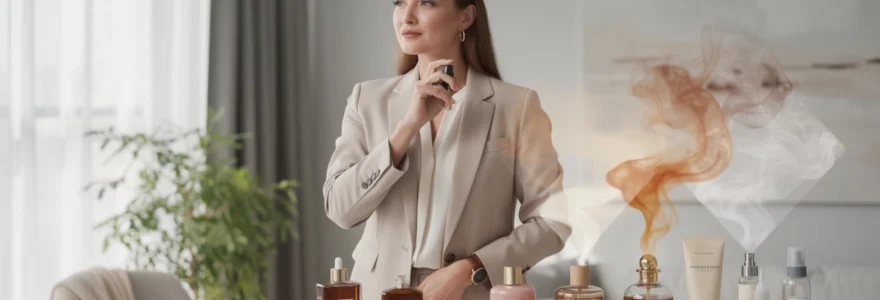
Gourmand fragrances have revolutionised the perfume landscape, transforming edible inspirations into sophisticated olfactory experiences. These dessert-inspired compositions capture the essence of vanilla custards, rich chocolate ganaches, and warm caramel confections, creating an irresistible allure that speaks to our deepest comfort associations. However, the very intensity that makes gourmand scents so captivating can also present challenges when it comes to appropriate application and social acceptability.
The key to mastering gourmand fragrances lies in understanding their complex molecular structures and learning strategic application techniques that honour their richness whilst maintaining elegance. Modern perfumery has elevated sweet scents far beyond simple candy-like compositions, incorporating sophisticated woody bases, fresh citrus counterpoints, and complex spice accords that add depth and refinement. When worn thoughtfully, these edible inspirations become powerful tools for personal expression, conveying warmth, approachability, and confident sensuality.
Understanding gourmand fragrance composition and olfactory profiles
Gourmand fragrances represent one of perfumery’s most technically challenging categories, requiring master perfumers to balance sweetness with sophistication whilst avoiding cloying or overwhelming compositions. These scents derive their appeal from olfactory mimicry – the ability to recreate beloved food aromas through carefully orchestrated synthetic and natural ingredients. The complexity lies not merely in capturing individual notes, but in creating harmonious accords that evolve beautifully on the skin throughout the day.
Contemporary gourmand compositions typically feature multi-layered structures that incorporate traditional perfumery elements alongside innovative food-inspired molecules. Base notes provide the foundational sweetness, middle notes add complexity and character, whilst top notes offer initial freshness that prevents immediate overwhelming. This architectural approach ensures that gourmand fragrances maintain the sophistication expected of fine perfumery whilst delivering the comforting associations that make them so emotionally resonant.
Vanilla and benzoin base notes in thierry mugler angel and tom ford tobacco vanille
Vanilla represents the cornerstone of gourmand perfumery, yet its application varies dramatically between compositions. Thierry Mugler’s revolutionary Angel pioneered the modern gourmand movement by combining vanilla with patchouli, creating a complex interplay between sweetness and earthiness that challenged conventional perfume classifications. The vanilla accord in Angel derives from both natural vanilla extract and synthetic vanillin, enhanced by ethyl maltol to amplify the candy-like sweetness whilst benzoin provides resinous depth.
Tom Ford’s Tobacco Vanille demonstrates a more sophisticated approach to vanilla utilisation, where the sweet base note supports rather than dominates the composition. Here, vanilla beans are paired with tobacco flower and spices, creating a gourmand-oriental hybrid that appeals to those seeking sweetness with substantial character. The benzoin component adds a balsamic quality that prevents the vanilla from becoming juvenile, instead lending an almost medicinal sophistication that elevates the entire composition.
Chocolate and cocoa accords in montale chocolate greedy and comptoir sud pacifique vanille extreme
Chocolate notes in perfumery present unique challenges due to cocoa’s naturally bitter undertones and complex aromatic profile. Montale’s Chocolate Greedy achieves its distinctive character through careful balance of synthetic chocolate molecules with natural cocoa absolute, supported by vanilla and white musk to soften potential harshness. The composition relies heavily on phenylacetic acid and related compounds that recreate the sensory experience of high-quality dark chocolate without overwhelming sweetness.
Comptoir Sud Pacifique’s approach to chocolate integration demonstrates how gourmand elements can support rather than dominate fragrance architecture. Their chocolate accords typically appear as supporting players, adding richness to vanilla-focused compositions whilst contributing to overall gourmand character. This restraint prevents chocolate notes from becoming too literal or simplistic, instead creating subtle associations that enhance rather than define the fragrance experience.
Caramel and praline notes in viktor & rolf bonbon and prada candy
Cara
Caramel-based accords such as those found in Viktor & Rolf Bonbon and Prada Candy illustrate how perfumers manipulate sweetness density and texture. In Bonbon, the caramel is translucent and almost crystalline, lifted by mandarin and orange blossom to prevent the composition from feeling syrupy. Prada Candy, by contrast, leans into a denser, buttery caramel wrapped around benzoin and musks, creating a plush, enveloping trail. Both fragrances demonstrate that caramel and praline notes can be tuned from light and airy to dark and sticky, depending on the supporting structure and dosage.
Praline, often constructed from a combination of hazelnut, vanilla, and synthetic gourmand molecules like ethyl maltol, introduces a toasted, nutty dimension that can either ground a sweet fragrance or push it into confectionery territory. When used judiciously, praline accords add complexity and a subtle crunch, evoking high-end patisserie rather than cheap candy. When overused, they can feel juvenile and overpowering, underscoring why application technique and context are crucial when you wear gourmand scents in daily life.
Coffee and espresso elements in maison margiela by the fireplace and akro awake
Coffee and espresso notes bring a bitter, roasted counterpoint that can elegantly temper sweet fragrances. Maison Margiela By the Fireplace, while more commonly associated with smoky woods and chestnut, uses a subtle roasted nuance that echoes the atmosphere of a café on a winter evening. This roasted facet, combined with vanilla and balsamic woods, creates an edible impression without relying on overt sugar, showing how gourmand perfume can lean into ambiance rather than literal dessert replication.
Akro Awake takes a different approach, spotlighting espresso as the star of the composition. Here, coffee is intense, almost photorealistic, sharpened by citrus and cardamom to keep the fragrance from becoming too heavy. The interplay of bitterness and sweetness mimics the experience of sipping a well-balanced espresso shot topped with a hint of sugar. These coffee-based gourmands are ideal for those who enjoy sweet fragrances but prefer a darker, more adult twist that integrates easily into sophisticated, everyday wear.
Strategic fragrance application techniques for gourmand scents
Once you understand how gourmand perfumes are built, the next step is learning how to apply them so they remain refined rather than overwhelming. Because sweet perfumes often feature high-impact molecules like vanillin, ethyl maltol, and coumarin, they can project strongly even from a small amount. Think of gourmand application like adding sugar to coffee: a little brings pleasure and comfort, but too much quickly becomes cloying. Strategic placement, mindful dosage, and awareness of your environment will help you enjoy your favourite sweet fragrances without overdoing it.
We also need to consider how your individual skin chemistry and climate conditions alter projection and longevity. Some people find that gourmand fragrances last all day and turn richer over time, while others notice that the sweetness fades quickly or becomes sharp. By pairing technical knowledge with practical techniques, you can customise your application routine and turn even the most intense caramel or vanilla bomb into a polished, wearable signature.
Pulse point placement and skin chemistry interaction with sweet notes
Pulse points are classic fragrance application sites because they emit gentle heat, helping the perfume to diffuse gradually. For gourmand scents, however, traditional pulse points like the neck and décolletage can sometimes amplify sweetness to the point of becoming intrusive in close quarters. If you love very sweet vanilla or caramel perfumes, consider applying one light spray behind the knees, on the lower back, or on the ankles, where the scent will rise more subtly through the day. This technique keeps your fragrance intimate rather than broadcasting a cloud of dessert to everyone in the room.
Your skin chemistry also plays a decisive role in how sweet notes behave. On drier or cooler skin, gourmand perfumes may smell softer and more powdery, with vanilla and benzoin lingering delicately. Oilier or warmer skin types often intensify sugary and spicy facets, making praline, chocolate, and coffee feel richer and sometimes more powerful. If you notice your favourite gourmand smells too strong or heavy on your neck, try testing it on your forearms or clothing instead. Small adjustments in placement can transform an overpowering perfume into a beautifully balanced, sweet fragrance that suits you.
Layering methodology with complementary body products and primers
Layering is one of the most effective ways to control how your gourmand scent develops and how long it lasts. Rather than adding multiple sweet perfumes on top of each other, start with a neutral or lightly scented base such as an unscented body lotion or a simple vanilla body cream. This acts like a primer, giving the perfume molecules something to cling to and helping to smooth out any harsh transitions. As a result, your caramel, chocolate, or marshmallow accords will feel softer and more blended on the skin.
If you enjoy more complex layering, pair your gourmand with complementary but contrasting notes instead of more sugar. A soft sandalwood lotion, a lightly citrusy shower gel, or a sheer white musk body spray can dilute sweetness and introduce airiness. Think of it like balancing a dessert plate: you might pair a rich chocolate tart with a tart berry coulis to prevent palate fatigue. Use no more than two scented products plus your main gourmand fragrance to avoid creating a chaotic scent profile that feels muddled rather than luxurious.
Seasonal application adjustments for warm weather gourmand wearing
Many people reserve sweet perfumes for autumn and winter, when cooler air naturally softens dense vanilla and amber accords. Yet gourmand scents can absolutely work in warm weather if you adjust concentration, placement, and type of sweetness. In high heat, heavy caramel, praline, and chocolate notes can feel sticky and suffocating, whereas airy vanilla, coconut, or creamy citrus gourmands tend to bloom more gracefully. Opt for eau de toilette versions or lighter flankers of your favourite perfumes during summer months to maintain comfort.
Application strategy should also shift with the temperature. In hot climates, avoid over-spraying pulse points that radiate heat intensely, such as the neck and chest. Instead, apply one or two light sprays on clothing, hair, or the back of the knees where the scent will diffuse gently as you move. Have you ever noticed how a scarf or light cardigan seems to hold fragrance beautifully? Using fabric as a diffuser in warm weather helps keep your gourmand fragrance close to you, rather than projecting too strongly into shared spaces like offices or public transport.
Concentration guidelines for eau de parfum versus eau de toilette gourmands
The concentration of your perfume significantly affects how you should wear gourmand scents. Eau de parfum (EDP) formulations typically have a higher percentage of aromatic compounds, which means sweeter base notes like vanilla, benzoin, and tonka will be more prominent and longer lasting. With such intense gourmand EDPs, one to three sprays is often sufficient for day-to-day wear, especially in indoor or professional settings. Over-application can turn an elegant sweet fragrance into something reminiscent of a pastry shop.
Eau de toilette (EDT) versions usually feel fresher and more transparent, emphasising top and heart notes over dense bases. These can be safer for generous application or for environments where you must be mindful of colleagues and clients. If you are transitioning a favourite gourmand from day to night, consider using the EDT during the day and reserving the EDP for evening social occasions when stronger projection feels more appropriate. Understanding concentration is like understanding the difference between a latte and an espresso: both use the same core ingredient, but their intensity and impact vary dramatically.
Balancing gourmand intensity with complementary fragrance families
One of the most elegant ways to wear sweet fragrances without overdoing it is to balance them with other fragrance families. Woody, citrus, aromatic, and even green accords can act like structural beams that hold up gourmand notes while preventing collapse into overly sugary territory. If you adore marshmallow, caramel, or chocolate accords but worry they might feel too juvenile or loud, pairing them with drier or fresher elements creates contrast and complexity. This kind of balance is central to modern perfumery and to building a sophisticated personal scent wardrobe.
For instance, combining a vanilla-heavy fragrance with a woody or vetiver-forward scent introduces a grounding earthiness that instantly feels more grown-up. Likewise, layering a sweet perfume over a light citrus cologne can brighten the overall effect, turning dense sweetness into a sparkling, creamy sorbet impression. Ask yourself what you want your gourmand to communicate: cosy intimacy, polished professionalism, or nocturnal sensuality? Each goal benefits from a different supporting fragrance family, allowing you to tailor sweetness to the occasion.
Professional and social contexts for gourmand fragrance selection
Context is everything when choosing how to wear gourmand scents. In professional environments, fragrance etiquette generally favours subtle, non-intrusive compositions that respect shared space and potential sensitivities. While a loud chocolate or caramel bomb might be perfect for a weekend date night, the same scent could feel distracting in a small meeting room. To keep things appropriate, opt for soft vanilla, tonka, or light almond gourmands blended with musks or woods, and limit yourself to one or two discreet sprays.
Social settings allow for more expressive and indulgent choices, but they still benefit from intention. For intimate dinners or evenings out, richer sweet perfumes with coffee, tobacco, or amber bases can create a magnetic, enveloping aura that feels sensual rather than saccharine. In very crowded spaces—think concerts, cinemas, or public transport—consider projection and potential allergies. A good rule of thumb is that your gourmand fragrance should be noticeable within arm’s length, not across the room. This way, you enjoy the comforting presence of your sweet scent while still being considerate of those around you.
Skin type considerations and longevity management for sweet fragrances
Skin type is often overlooked when people discuss how to wear sweet fragrances, yet it has a significant impact on performance. Dry skin tends to absorb perfume quickly, which can make gourmand scents seem fleeting or muted, especially in the top notes. To counter this, moisturise thoroughly with an unscented or lightly scented lotion before applying your perfume. This creates a more even canvas and helps your fragrance cling to the skin, improving both longevity and sillage without needing extra sprays.
Oily or very warm skin, on the other hand, can amplify sweetness and projection, sometimes to an overwhelming degree. If you find that caramel or praline notes become too intense on your skin, you can experiment with spraying your clothes instead of your body, keeping the bottle slightly farther away to create a fine mist. Fabrics like cotton, wool, and cashmere tend to hold gourmand notes particularly well, releasing them slowly over time. Just avoid spraying delicate silks or leather directly to prevent staining. By matching your application method to your skin type, you maintain control over how sweet and how strong your fragrance presents to the world.
Advanced blending techniques with woody and fresh accords
Once you are comfortable with basic application and layering, you can start exploring more advanced blending techniques to refine your gourmand style. Pairing sweet fragrances with woody accords—such as cedarwood, sandalwood, or vetiver—creates a sophisticated contrast that feels textured and multi-dimensional. For example, wearing a vanilla-forward scent alongside a minimalist cedar cologne can produce a balanced, creamy-woody aura that is far less likely to be perceived as cloying. The woods act like a frame around a painting, highlighting the sweetness without letting it spill over the edges.
Fresh accords, including citrus, aquatic, and herbal notes, offer another powerful tool for moderating gourmand intensity. A bright bergamot or grapefruit cologne worn under a soft caramel fragrance can transform it into something reminiscent of candied citrus peel rather than dense toffee. Similarly, combining a light aromatic fragrance—think lavender, rosemary, or basil—with a chocolate or coffee-based scent adds air and sophistication, much like adding a twist of lemon zest to a rich dessert. As you experiment, keep blends simple: two fragrances at a time, applied in small quantities, allow you to understand the interaction without creating olfactory overload.
Ultimately, mastering gourmand perfumes is less about denying sweetness and more about directing it. By carefully balancing edible notes with woods, musks, and fresh accords, you can enjoy the full emotional comfort of sweet fragrances while still projecting polish and restraint. With thoughtful application, mindful layering, and a clear sense of context, your favourite vanilla, caramel, or chocolate perfume becomes not just a guilty pleasure, but a refined signature that feels utterly and confidently your own.