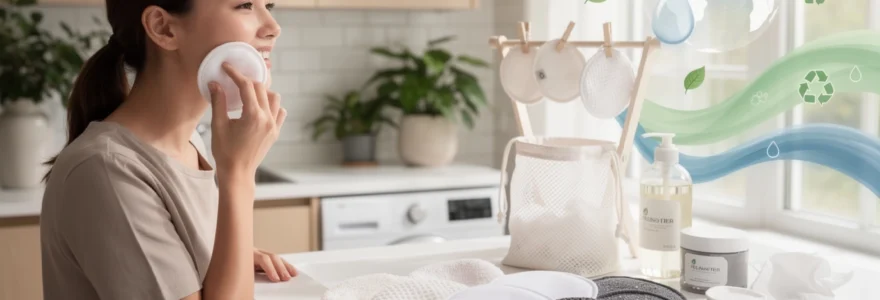
The beauty industry has long grappled with its environmental footprint, and few products exemplify this challenge more clearly than disposable makeup removal solutions. Each year, billions of single-use cotton pads and synthetic wipes end up in landfills, where they can take over a century to decompose. Meanwhile, the production processes behind these throwaway items consume vast quantities of water, energy, and agricultural resources. Against this backdrop, reusable makeup remover pads have emerged as a practical, sustainable alternative that addresses both ecological concerns and personal skincare needs. These washable textile rounds represent more than just a passing trend—they embody a fundamental shift towards circular economy principles in daily beauty routines.
The transition to reusable options involves understanding the materials, maintenance requirements, and performance characteristics that differentiate quality products from inferior alternatives. For consumers accustomed to the convenience of disposables, questions naturally arise about hygiene, effectiveness, and long-term value. Yet the evidence increasingly demonstrates that well-designed reusable pads can match or exceed the performance of their single-use counterparts whilst dramatically reducing environmental impact. This shift requires neither sacrifice nor compromise—rather, it demands informed decision-making based on material science, dermatological compatibility, and practical usage considerations.
Material composition and textile technologies in reusable makeup remover pads
The performance of any reusable makeup remover pad fundamentally depends on its fabric composition and construction method. Different materials offer distinct advantages in terms of absorbency, durability, texture, and environmental credentials. Understanding these variations enables you to select products that align with both your skincare requirements and sustainability values.
Organic bamboo fibre construction and antimicrobial properties
Bamboo-derived textiles have gained considerable traction in the reusable pad market, and for compelling reasons. The bamboo viscose production process yields exceptionally soft fibres that feel luxurious against facial skin whilst maintaining impressive absorbency. What distinguishes bamboo from conventional cotton is its inherent antimicrobial properties—the bamboo kun substance naturally present in the plant resists bacterial colonisation even after repeated washing cycles. This characteristic proves particularly valuable for products that regularly contact facial skin and cosmetic residues.
From an agricultural perspective, bamboo cultivation requires significantly less water than cotton and grows rapidly without pesticides or fertilisers. A single bamboo grove can regenerate after harvesting without replanting, making it a genuinely renewable resource. However, the conversion from bamboo plant to viscose fibre involves chemical processing that varies considerably between manufacturers. Closed-loop production systems recapture and recycle these processing chemicals, substantially reducing environmental impact compared to traditional viscose methods. When selecting bamboo pads, certifications indicating closed-loop processing provide assurance of genuinely sustainable production.
The texture of bamboo terry cloth offers gentle exfoliation without abrading delicate facial skin. This makes bamboo pads particularly suitable for individuals with sensitivity concerns or those who prefer a softer tactile experience. The fibre’s natural moisture-wicking properties also mean bamboo pads dry relatively quickly between uses, reducing the risk of musty odours or bacterial proliferation that can occur with persistently damp fabrics.
Microfibre polyester blends: efficacy versus environmental trade-offs
Microfibre makeup remover pads have become remarkably popular due to their impressive cleansing capabilities. These synthetic fabrics, typically composed of polyester or polyamide fibres measuring less than one denier in diameter, create a dense surface with millions of tiny loops and pockets. This structure mechanically lifts makeup, oils, and impurities from skin with remarkable efficiency—often requiring only water without additional cleansing products. The effectiveness stems from the enormous surface area these ultra-fine fibres create, which physically traps particles rather than merely spreading them across the face.
From a practical standpoint, microfibre pads excel at removing stubborn cosmetics including waterproof mascara and long-wearing foundations that challenge other materials. Their synthetic composition also grants exceptional durability, with quality microfibre pads enduring hundreds of wash cycles without significant degradation. They dry rapidly and resist the musty odours that sometimes affect natural fibres when damp. For individuals seeking maximum makeup removal effic
iency with minimal product usage, microfibre remains an appealing option.
However, these benefits come with notable environmental trade-offs. Microfibre pads are derived from petrochemicals and are not biodegradable; they will persist in the environment for decades or longer. During each wash cycle, they can shed microscopic plastic fibres that pass through wastewater treatment plants and enter rivers and oceans. For this reason, if you opt for microfibre reusable makeup remover pads, it is advisable to use a microplastic-catching laundry bag and to wash them less frequently but more efficiently—only when visibly soiled rather than after every light use. In short, microfibre delivers outstanding makeup removal performance, but it is best reserved for users who will maximise its longevity and take extra steps to mitigate its environmental footprint.
Cotton terry cloth and muslin weave patterns for deep cleansing
Cotton remains one of the most familiar and widely available materials in reusable makeup remover pads, but not all cotton fabrics perform the same way. Terry cloth pads feature looped piles on the surface, creating a slightly textured feel that enhances mechanical cleansing. These loops act a bit like tiny fingers, gripping onto foundation, sunscreen, and pollution particles that cling to the skin’s surface. As a result, cotton terry is particularly effective for evening routines where you need to remove heavier makeup or SPF layers.
Muslin, by contrast, is a lightweight, open-weave cotton fabric that offers a gentler yet still mildly exfoliating experience. Muslin pads glide over the skin more smoothly while subtly buffing away dead cells, similar to a very soft washcloth. Many people find that alternating between terry and muslin textures—using terry for deep cleansing days and muslin for everyday use—strikes the right balance between thorough cleansing and skin barrier protection. Opting for organic cotton reduces pesticide exposure and lowers the overall environmental impact of your pads, especially when certified by reputable schemes like GOTS.
Charcoal-infused fabrics and activated carbon integration
Charcoal-infused reusable pads represent a newer category within this space, designed to harness the adsorptive powers of activated carbon. In these textiles, fine charcoal particles are either embedded within synthetic fibres or bonded to natural fibres such as cotton or bamboo. Activated charcoal has a vast internal surface area, enabling it to bind certain impurities, excess oils, and odours more effectively than standard fabrics. This can be particularly useful for acne-prone or oily skin types seeking deeper yet non-abrasive cleansing.
From a practical standpoint, charcoal pads tend to hide staining better thanks to their darker colouration, which many users appreciate when removing waterproof mascara or bold lip pigments. However, the environmental profile of charcoal-infused fabrics depends heavily on the underlying base material and manufacturing process. If the charcoal is integrated into polyester microfibre, you still face the same microplastic concerns as with conventional synthetic pads. When possible, look for charcoal combined with natural fibres and manufactured without heavy metal catalysts or harsh binders, and treat these products as targeted tools for specific concerns rather than everyday disposables.
Environmental impact assessment: disposable cotton rounds versus reusable alternatives
Understanding the true sustainability of reusable makeup remover pads requires more than just noting that they can be washed and reused. A meaningful comparison with disposable cotton rounds must consider the full life cycle of both products—from raw material cultivation through manufacturing, transport, use, and end-of-life. When these factors are assessed holistically, reusable pads almost always deliver substantial environmental advantages, particularly when made from responsibly sourced natural fibres and cared for correctly.
Life cycle analysis of single-use cotton pad production and disposal
Conventional cotton cultivation is resource-intensive, requiring large volumes of water and often relying on synthetic fertilisers and pesticides. Life cycle assessments (LCAs) of single-use cotton pads highlight that the majority of their environmental impact occurs before they even reach your bathroom shelf. Cultivating, harvesting, ginning, bleaching, and shaping cotton into soft, white rounds consumes energy and generates emissions, all for a product that may only touch your skin for a few seconds before being discarded.
After use, most disposable cotton pads end up in general waste streams or, worse, are flushed into sewage systems where they can contribute to blockages and pollution. Because many commercial pads also contain synthetic binders or are blended with polyester for strength, they are not fully biodegradable and can persist in landfill for decades. LCAs consistently show that replacing hundreds or thousands of these single-use items with a small set of reusable pads significantly reduces cumulative resource use and waste generation over time.
Water consumption and carbon footprint reduction metrics
One common concern is whether the water and energy used to wash reusable makeup remover pads might offset their environmental benefits. In practice, when pads are laundered as part of existing wash loads rather than in separate, dedicated cycles, the additional footprint is minimal. Studies on reusable textiles suggest that the extra water per item is negligible—often less than a few litres across dozens of uses—especially when washed at moderate temperatures such as 30–40°C.
In terms of carbon emissions, the production of single-use cotton pads—and the frequent transport and packaging that accompany them—carries a higher per-use footprint than a well-maintained reusable pad over its lifespan. You can further reduce the carbon impact of your reusable pads by air-drying them whenever possible and using eco-certified detergents. Think of it as the difference between using a refillable bottle and buying a new plastic bottle every day: once you spread the manufacturing impact of a durable product across hundreds of uses, the per-use emissions drop dramatically.
Microplastic pollution from conventional makeup wipes in marine ecosystems
Disposable makeup wipes, which often feel soft and cloth-like, are usually made from non-woven fabrics containing plastic fibres such as polyester, polypropylene, or polyethylene. When flushed or improperly disposed of, these wipes can break apart into microplastics that make their way into rivers, oceans, and marine food chains. Municipal wastewater treatment plants are not designed to filter out these microscopic fibres, so a significant proportion ultimately enters natural ecosystems.
Microplastics act like tiny sponges, absorbing pollutants and then transferring them up the food chain as marine organisms ingest them. Over time, this can impact biodiversity and potentially human health. By transitioning from conventional makeup wipes to reusable makeup remover pads made from natural fibres, you help to reduce demand for these plastic-laden products and cut down on a hidden yet serious source of microplastic pollution. For those who choose microfibre pads, using washing bags that capture shed fibres is an important mitigation step.
Quantifying landfill waste diversion through reusable pad adoption
It is helpful to put waste reduction into tangible numbers. A single high-quality reusable pad can replace hundreds of disposable cotton rounds or wipes over its lifespan. If you currently use, for example, two cotton pads per day, that equates to around 730 pads every year. Swapping to a set of 10 reusable pads that each last at least a year could prevent well over 700 single-use items from entering landfill annually—per person.
Scaled up across a household or community, this waste diversion becomes significant. Market research suggests that reusable makeup remover pads can replace approximately 500–1,000 disposable pads across their useful lives, depending on fabric durability and care habits. This shift not only reduces physical waste volume but also lessens the demand for manufacturing, packaging, and distribution of disposables, amplifying the overall environmental benefit.
Dermatological compatibility and skin type considerations
While sustainability is a key motivator, the success of reusable makeup remover pads ultimately hinges on how they perform on real skin. Different fabrics, weave structures, and finishes can influence everything from irritation potential to effectiveness on specific skin concerns. Choosing pads that align with your skin type—whether sensitive, acne-prone, dry, or combination—ensures that you reap skincare benefits alongside environmental gains.
Hypoallergenic fabric certifications: OEKO-TEX standard 100 and GOTS
For individuals with sensitive or reactive skin, fabric safety is non-negotiable. Hypoallergenic certifications such as OEKO-TEX Standard 100 and the Global Organic Textile Standard (GOTS) provide reassurance that reusable makeup remover pads have been tested for harmful substances. OEKO-TEX certification assesses finished textiles for residues of allergens, heavy metals, and other hazardous chemicals, ensuring that they remain within strict safety thresholds.
GOTS, meanwhile, focuses specifically on organic fibres like cotton and bamboo, covering the entire supply chain from field to finished product. It sets criteria for farming practices, processing chemicals, and working conditions. When you see these labels on reusable cotton or bamboo pads, you can be more confident that the fabric has not been treated with harsh dyes, bleaches, or finishes that might aggravate your skin. For anyone prone to dermatitis, eczema, or contact allergies, seeking out these certifications is a simple yet powerful way to minimise risk.
Ph-neutral materials for sensitive and acne-prone skin
The skin’s acid mantle typically sits at a pH between 4.5 and 5.5, and preserving this slightly acidic environment is crucial for barrier function and microbial balance. Fortunately, most natural fibres used in reusable pads—such as organic cotton, bamboo viscose, and hemp—are inherently close to pH-neutral when free from aggressive chemical treatments. This makes them suitable for sensitive and acne-prone skin, provided that you pair them with a gentle, pH-balanced cleanser or micellar water.
Problems usually arise not from the fabric itself, but from residues left behind by strong detergents, fabric softeners, or fragrance-heavy laundry products. To maintain a skin-friendly pH, wash your pads with mild, fragrance-free detergents and avoid overusing softeners that can coat fibres. If you have very reactive skin, you may even wish to run your freshly laundered pads through an extra rinse cycle to ensure that no detergent traces remain. This is a small adjustment that can make a big difference for breakout-prone complexions.
Exfoliation properties of different textile densities and weaves
Exfoliation is one area where textile design becomes especially important. Denser weaves and looped textures, such as cotton terry or bamboo towelling, provide more mechanical friction on the skin’s surface. Used gently, they can help lift away dead cells and refine skin texture, functioning a bit like a built-in micro-exfoliator. However, if you apply too much pressure or use them too frequently, especially in combination with chemical exfoliants, they may contribute to barrier disruption.
Lighter, smoother fabrics such as cotton flannel, bamboo velour, or plush microfibre deliver a softer touch, making them ideal for daily cleansing or for delicate areas like the eye contour. One practical approach is to keep a small assortment of reusable pads with varying textures: smoother pads for everyday use, and more textured options reserved for once- or twice-weekly deep cleansing. This allows you to customise your routine without purchasing multiple different products, and to respond flexibly to how your skin feels on any given day.
Maintenance protocols and sanitisation methods for longevity
Proper care is essential for keeping reusable makeup remover pads hygienic, effective, and long-lasting. While they are designed to withstand repeated washing, the specific temperature settings, detergents, and drying methods you choose can meaningfully impact both fabric integrity and microbial safety. Establishing a simple, repeatable maintenance routine ensures that your pads remain an asset to your skincare routine rather than a source of irritation.
Machine washing temperatures and detergent selection guidelines
Most reusable pads made from cotton, bamboo, or hemp can be safely machine washed at 30–40°C alongside similar colours. Washing at these moderate temperatures strikes a balance between effective cleaning and minimising fibre damage or shrinkage. For heavily soiled pads—such as those used to remove waterproof makeup or thick sunscreen—a pre-rinse in cool water or a brief soak in a mild detergent solution can help loosen pigments before they hit the machine.
Detergent choice also matters. Fragrance-free, dye-free formulas are preferable for preserving both skin comfort and fabric performance. Avoid chlorine bleach, which can weaken fibres and degrade elastic stitching over time; instead, periodic soaking in oxygen-based stain removers or a solution of bicarbonate of soda and water can refresh whiteness. If you use microfibre pads, steer clear of fabric softeners, as these can clog the tiny spaces between fibres and reduce their ability to grip and remove makeup effectively.
Bacterial growth prevention through proper drying techniques
Moist environments encourage bacterial and fungal growth, so thorough drying is just as important as proper washing. After laundering, reusable makeup remover pads should be spread out or hung so that air can circulate freely around them. Clumping damp pads together in a basket or sealed container is an invitation for odours and microbial proliferation, particularly in warm, humid bathrooms.
Air-drying on a rack or line is usually sufficient and gentler on fibres than frequent tumble drying. During colder months or in small spaces, you can accelerate drying by placing pads near (but not directly on) a radiator or using a low-heat tumble dry setting. If a pad ever develops a persistent odour despite regular laundering, a deep-clean soak in hot (not boiling) water with a small amount of white vinegar or oxygen bleach can help reset it. Trust your senses: if a pad doesn’t smell fresh or looks damaged, it is better to retire it than risk compromising your skin health.
Lifespan optimisation: replacing pads after 500-1000 wash cycles
Manufacturers often advertise lifespan estimates for reusable pads, ranging from a few hundred to over a thousand wash cycles depending on fabric and construction quality. In practical terms, this means that a well-made pad used a few times per week can last several years before needing replacement. Signs that a pad is nearing the end of its useful life include thinning fabric, frayed edges, persistent staining, or a roughened texture that feels scratchy against the skin.
To extend longevity, rotate through a collection of pads rather than overworking a small number. Using a dedicated mesh laundry bag reduces the risk of pads becoming caught in the machine or lost among larger items. Ultimately, pads that have outlived their role in facial care can often be repurposed for household cleaning tasks before final disposal, ensuring that you get maximum value and minimise waste across the entire lifespan of each item.
Cost-benefit analysis: initial investment versus long-term savings
Switching from disposable cotton rounds or wipes to reusable makeup remover pads does require a modest upfront investment, but the financial equation becomes compelling when viewed over months or years. A typical pack of 8–12 high-quality reusable pads might cost the equivalent of several months’ worth of disposable products. Yet each pad can stand in for hundreds of single-use items, dramatically lowering your recurring costs over time.
Consider a simple example: if you currently use a pack of 50 disposable cotton rounds each month, and each pack costs a few units of your local currency, your annual outlay quickly adds up. By contrast, a set of reusable pads purchased once and maintained properly could cover your needs for two to three years or longer, with only minor additional costs associated with laundering. When you factor in the reduced need for emergency restocks, less packaging waste, and the ability to use smaller amounts of cleanser (especially with microfibre pads that work well with water alone), the long-term savings become even more pronounced.
There is also a less tangible but equally real “cost” associated with environmental impact. By investing in reusable pads, you effectively reduce your personal contribution to landfill volume, microplastic pollution, and water-intensive cotton production. For many users, this peace of mind and alignment with their values is worth as much as the financial savings. The key is to choose durable, well-constructed products you enjoy using, so that the switch feels like an upgrade rather than a sacrifice.
Leading brands and product innovations in the reusable makeup remover market
As demand for sustainable beauty tools has grown, the reusable makeup remover pad market has expanded rapidly, with both niche eco-brands and global cosmetics companies offering solutions. This diversity benefits consumers by providing options at various price points, material compositions, and performance profiles. It also drives innovation, as brands experiment with new fibre technologies, weaving methods, and packaging concepts to stand out.
Face halo and its dual-sided HaloTech fibre system
Face Halo is often cited as a pioneer in the space of high-performance reusable makeup remover pads. Its signature products use a proprietary HaloTech microfibre blend designed to remove makeup using only water. The ultra-fine fibres, reportedly up to 100 times finer than human hair, create a dense, plush surface that binds to pigments and oils without the need for surfactants or harsh rubbing. One side of the pad typically offers a more textured feel for deep cleansing, while the other provides a softer finish suitable for sensitive areas.
From a sustainability perspective, Face Halo promotes longevity, claiming that each pad can replace up to 500 disposable wipes. The brand also encourages customers to recycle pads at the end of their life through specific textile recycling schemes where available. For users who wear heavy or long-wear makeup and want to minimise cleanser usage, Face Halo represents a compelling balance of convenience, performance, and waste reduction—provided that you account for the microfibre-related environmental considerations discussed earlier.
Ecotools’ recycled material integration in pad manufacturing
EcoTools has built its reputation around eco-conscious makeup brushes and tools, and its reusable makeup remover pads follow the same philosophy. Many of the brand’s cleansing accessories incorporate recycled materials, such as recycled polyester fibres or post-consumer plastic used in packaging. By reusing existing resources, EcoTools reduces the demand for virgin plastics and lowers the overall environmental footprint associated with its products.
In addition to recycled content, EcoTools often pairs its pads with bamboo-based handles or storage solutions, and uses recyclable cardboard for outer packaging. This systems-level approach recognises that sustainability extends beyond the pad itself to include how products are presented and stored. For consumers interested in reusable pads that align with broader low-waste bathroom goals, EcoTools offers an accessible entry point at drugstore price brackets without abandoning eco-design principles.
Garnier SkinActive reusable eco pads and mass market accessibility
Garnier’s SkinActive Reusable Eco Pads illustrate how mainstream brands are bringing sustainable cleansing tools to wider audiences. Sold in large retail chains and supermarkets, these soft microfibre rounds are designed to be used with micellar water or other liquid cleansers—many of which are already staples in everyday skincare routines. Their availability in familiar outlets helps to normalise reusable options for consumers who might not actively seek out niche eco-brands.
By leveraging its scale, Garnier can price these pads competitively, lowering the financial barrier to adoption. The brand also communicates clear care instructions, emphasising washing at low temperatures and air drying to extend pad life. While the pads themselves are made from synthetic fibres and therefore carry the usual microfibre considerations, their popularity demonstrates a crucial point: when sustainable alternatives are convenient, affordable, and visible, large numbers of people are more likely to adopt them.
Lastobject’s LastRound: silicone case storage solutions
LastObject, known for its LastSwab reusable cotton bud, has applied the same design-thinking approach to facial cleansing with LastRound. These reusable rounds are made from a blend of wood cellulose and cotton, engineered to mimic the feel and function of traditional cotton pads while being robust enough to withstand repeated use and washing. One of the standout innovations is the inclusion of a compact, durable silicone case that keeps the rounds protected and portable.
The silicone case serves multiple purposes: it extends product life by shielding pads from bathroom splashes and travel damage, and it encourages on-the-go use, making it easier to avoid disposables when away from home. LastObject also focuses heavily on end-of-life considerations, designing its products to be recyclable or compostable where facilities exist. For minimalist, design-conscious consumers who value both aesthetics and sustainability, LastRound offers an elegant, low-waste alternative that integrates seamlessly into modern lifestyles.