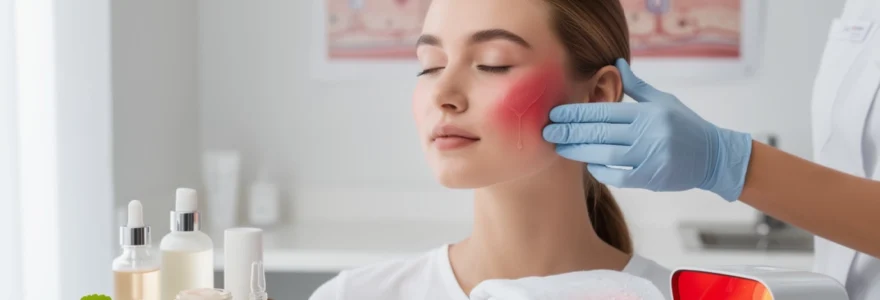
Facial redness and skin irritation affect millions of people worldwide, manifesting as everything from temporary flushing to persistent inflammatory conditions like rosacea and contact dermatitis. These symptoms can significantly impact quality of life, affecting both physical comfort and psychological wellbeing. Understanding the underlying mechanisms that trigger inflammatory responses is crucial for developing effective treatment strategies that address both immediate symptoms and long-term skin health. Modern dermatological science has revealed sophisticated pathways through which environmental factors, genetic predisposition, and skincare choices interact to create visible erythema and discomfort.
The complexity of skin inflammation requires a multifaceted approach that combines evidence-based topical treatments, advanced therapeutic modalities, and preventative care protocols. Effective management goes beyond simply masking symptoms to address the root causes of vascular reactivity and barrier dysfunction. Recent advances in molecular dermatology have identified specific compounds and treatment methods that can interrupt inflammatory cascades whilst promoting healthy skin barrier restoration.
Understanding inflammatory skin response mechanisms and vasodilation patterns
The skin’s inflammatory response begins at the cellular level when keratinocytes detect irritants, allergens, or environmental stressors. These sentinel cells release pro-inflammatory cytokines including interleukin-1α (IL-1α), tumour necrosis factor-alpha (TNF-α), and nuclear factor kappa B (NF-κB), which trigger a cascade of events leading to visible redness and irritation. The process involves complex signalling pathways that activate immune cells, increase vascular permeability, and promote the recruitment of inflammatory mediators to the affected area.
Vasodilation represents the most immediate and visible aspect of skin inflammation, occurring when smooth muscle cells in dermal blood vessels relax in response to inflammatory mediators such as histamine, prostaglandins, and nitric oxide. This physiological response increases blood flow to deliver immune cells and nutrients to compromised tissue, but simultaneously creates the characteristic erythema and warmth associated with irritated skin. The severity and duration of vasodilation depend on various factors including genetic predisposition, environmental triggers, and the integrity of the skin barrier.
Research has demonstrated that individuals with sensitive skin often exhibit heightened neurosensory responses, where nerve fibres in the epidermis and dermis become hyperreactive to stimuli that would typically be well-tolerated. This neurogenic inflammation involves the release of neuropeptides such as substance P and calcitonin gene-related peptide (CGRP), which can perpetuate inflammatory cycles and contribute to persistent redness patterns. Understanding these mechanisms enables targeted therapeutic interventions that can interrupt inflammatory cascades at multiple points.
The skin’s inflammatory response is not merely a defensive reaction but a complex orchestration of cellular communication that, when dysregulated, can lead to chronic conditions requiring sophisticated treatment approaches.
Topical Anti-Inflammatory ingredients and their molecular action pathways
Contemporary skincare science has identified numerous bioactive compounds that can effectively modulate inflammatory responses through specific molecular mechanisms. These ingredients work synergistically to address different aspects of skin irritation, from immediate symptom relief to long-term barrier restoration. The selection and concentration of active ingredients must be carefully calibrated to provide therapeutic benefits without triggering additional sensitivity in compromised skin.
Niacinamide concentration protocols for barrier function restoration
Niacinamide, the amide form of vitamin B3, demonstrates remarkable efficacy in treating inflammatory skin conditions through multiple pathways. Clinical studies indicate that concentrations between 2-5% provide optimal anti-inflammatory benefits whilst minimising the risk of irritation in sensitive individuals. The compound works by inhibiting the transfer of melanosomes to keratinocytes, reducing post-inflammatory hyperpigmentation, and enhancing ceramide synthesis to strengthen the skin barrier.
The molecular mechanism involves niacinamide’s ability to increase NAD+ (nicotinamide adenine dinucleotide) levels within skin cells, supporting cellular energy metabolism and DNA repair processes. This enhanced cellular function translates to improved barrier integrity and reduced inflammatory susceptibility. Professional dermatologists often recommend starting with lower concentrations (2%) and gradually increasing to allow skin adaptation, particularly for individuals with reactive skin types.
<h3
Azelaic acid ph formulations and keratinocyte normalisation
Azelaic acid is a dicarboxylic acid with well-documented anti-inflammatory and keratolytic properties, making it a cornerstone ingredient for managing redness, particularly in rosacea-prone and acne-prone skin. At concentrations of 10-20%, azelaic acid can inhibit reactive oxygen species and downregulate pro-inflammatory mediators such as IL-6 and TNF-α, thereby reducing erythema and swelling. Its capacity to normalise abnormal keratinocyte differentiation helps prevent follicular obstruction, which can otherwise perpetuate inflammatory lesions and post-inflammatory redness.
The pH of azelaic acid formulations plays a critical role in both efficacy and tolerability. Most dermatologically tested products maintain a mildly acidic pH between 4.0 and 5.5, which preserves the integrity of the skin’s acid mantle while optimising penetration. Formulations that combine azelaic acid with humectants such as glycerin or hyaluronic acid can cushion potential irritation, making them more suitable for individuals with compromised barriers who still need active treatment for persistent redness or papulopustular rosacea.
From a practical standpoint, you should introduce azelaic acid gradually, beginning with alternate-night application and monitoring for signs of stinging or dryness. Pairing azelaic acid with bland emollients and daily broad-spectrum sunscreen enhances its anti-redness effects by limiting additional environmental triggers such as UV radiation and pollution. For those seeking to soothe redness and irritation effectively without resorting immediately to prescription options, azelaic acid offers a well-studied bridge between cosmetic and medical skincare.
Centella asiatica triterpene compounds and cytokine inhibition
Centella asiatica, often referred to as cica or gotu kola, contains a suite of triterpene compounds—including asiaticoside, madecassoside, asiatic acid, and madecassic acid—that exert potent anti-inflammatory and wound-healing actions. At the molecular level, these actives have been shown to inhibit key signalling pathways such as NF-κB, which orchestrates the production of pro-inflammatory cytokines like IL-1β and TNF-α. By dampening these signals, Centella extracts can reduce redness, oedema, and the subjective sensations of burning or stinging frequently reported in sensitive and irritated skin.
Beyond cytokine modulation, Centella triterpenes enhance fibroblast proliferation and collagen synthesis, supporting structural repair in areas where chronic inflammation has compromised dermal integrity. This combination of anti-inflammatory and regenerative properties explains why Centella-based formulations are widely used post-procedure—after laser resurfacing, chemical peels, or microneedling—to accelerate recovery and minimise prolonged erythema. You can think of Centella as a molecular “mediator” that helps overactive inflammatory pathways quiet down so that natural healing processes can proceed efficiently.
Formulation-wise, dermatologists often favour products containing 0.1-0.3% pure madecassoside or standardised Centella extracts in the range of 1-5%, depending on the vehicle. These concentrations appear sufficient to deliver clinical calming effects without overburdening already-reactive skin. For individuals prone to seasonal flares, integrating a Centella-rich serum or balm into a daily routine can form part of a preventative strategy, providing a kind of “buffer zone” against environmental and mechanical triggers of redness.
Licorice root glabridin extract Anti-Erythema properties
Licorice root (Glycyrrhiza glabra) extract, and particularly its flavonoid component glabridin, is another evidence-based ingredient for addressing inflammatory redness and post-inflammatory hyperpigmentation. Glabridin exerts strong antioxidant activity and has been shown in in vitro models to inhibit cyclooxygenase (COX) and tyrosinase, enzymes involved in inflammation and melanogenesis respectively. This dual action makes it especially valuable where redness and residual discoloration coexist, as in chronic acne or recurrent contact dermatitis.
Clinically, topical preparations containing 0.5-1% glabridin have been associated with visible reductions in erythema and pigment intensity over 4-8 weeks of consistent use. Mechanistically, glabridin appears to interfere with UV-induced production of reactive oxygen species and inflammatory cytokines, effectively limiting one of the primary triggers of facial redness in photosensitive individuals. Because of its relatively gentle profile, licorice extract is often incorporated into formulations designed for daily use alongside niacinamide or Centella, creating a multi-pronged approach to calming irritated skin.
For real-world application, you may find licorice root extract in serums, moisturisers, or targeted “redness relief” treatments. When evaluating products, look for standardised extracts and fragrance-free, low-alcohol bases to avoid counteracting the anti-inflammatory benefits. Used consistently, glabridin-containing skincare can help even out tone and reduce the “flushed” appearance that persists long after an initial inflammatory episode has resolved.
Clinical cooling therapies and thermal regulation techniques
Thermal regulation is a cornerstone of soothing acute redness and irritation, as temperature directly influences vasodilation and neurogenic inflammation. When skin is overheated—whether from UV exposure, physical exertion, or an inflammatory flare—dermal blood vessels dilate, intensifying erythema and discomfort. Cooling therapies aim to reverse this process by inducing vasoconstriction, slowing inflammatory mediator release, and providing rapid symptomatic relief. In many clinical protocols, these thermal interventions are combined with anti-inflammatory topical agents to maximise outcomes.
Modern approaches to cooling irritated skin range from simple cold compresses to more sophisticated cryotherapy devices used in dermatology clinics. While these methods vary in intensity and precision, they share a common objective: to lower cutaneous temperature in a controlled way that calms the skin without causing cold-induced damage. Understanding how long to cool, which methods to choose, and how to integrate them into a broader redness management plan enables you to respond effectively when flare-ups occur.
Cryotherapy application methods for acute inflammatory episodes
Cryotherapy, in the context of inflammatory skin care, refers to the therapeutic application of cold to reduce local temperature and modulate inflammatory processes. In clinical dermatology, controlled cryo-facial devices or chilled air systems may be applied immediately after energy-based procedures, such as lasers or intense pulsed light, to curtail post-treatment erythema and swelling. These systems allow precise control of temperature and exposure time, lowering the risk of frostbite while delivering targeted vasoconstrictive effects.
For non-procedural acute episodes—such as a sudden rosacea flare or a reaction to an irritant—dermatologists may recommend short, intermittent applications of cold packs wrapped in soft cloth. The immediate cooling constricts superficial blood vessels and can reduce the intensity of burning or stinging sensations, much like turning down the volume on an overactive neurosensory system. However, overuse or direct application of ice to the skin can disrupt the barrier and even cause cold burns, so protocols emphasise moderation and careful monitoring of the skin’s response.
When integrating cryotherapy into your at-home routine, the key is to treat it as an adjunct, not a standalone solution. Combining brief cooling sessions with barrier-repairing emollients and gentle anti-inflammatory actives ensures that you address both the symptom (excess heat and vasodilation) and the underlying vulnerability that predisposes the skin to repeated inflammatory episodes. In practice, this might look like a short cryotherapy session followed by the application of a Centella- or niacinamide-rich serum to lock in calm.
Cold compress duration protocols and vasoconstriction timing
Cold compresses represent one of the simplest and most accessible tools for soothing facial redness and irritation effectively. Yet despite their simplicity, the timing and technique of application significantly influence outcomes. Most dermatology guidelines suggest applying a cool (not ice-cold) compress for 5-10 minutes, followed by a rest period of at least 10-15 minutes before reapplication. This cyclical approach encourages transient vasoconstriction without compromising microcirculation or inducing rebound vasodilation.
Physiologically, the initial minutes of cooling produce maximum vasoconstriction, reducing blood flow and dampening inflammatory mediator delivery to the affected region. Prolonged or continuous cooling beyond recommended durations, however, can stress the tissue and lead to compensatory vasodilation once the cold source is removed—paradoxically intensifying redness. You can think of it like briefly tapping the brakes to slow a moving car, rather than slamming them on for an extended period and risking loss of control.
In practical terms, an effective cold compress protocol for acute redness might involve dampening a soft, clean cloth with cool water, optionally placing it in the refrigerator for a few minutes, and then applying it gently to the face. Avoid direct pressure or vigorous rubbing, which can aggravate already-irritated skin. After each cycle, apply a bland, fragrance-free moisturiser to reinforce the barrier, as cooled skin can be temporarily more susceptible to dryness.
Menthol and camphor cooling agent concentrations
Topical cooling agents such as menthol and camphor create a sensory illusion of cold by activating transient receptor potential (TRP) channels on cutaneous nerve endings, particularly TRPM8. This neurosensory modulation can provide a subjective sense of relief from burning, itching, or stinging, even when actual skin temperature does not decrease dramatically. For individuals experiencing chronic sensitivity, this can be likened to “changing the channel” on overactive nerve signals to a calmer, more tolerable frequency.
However, the concentration of these agents is critical. At low levels—typically below 1% for menthol and 0.5% for camphor—they may deliver pleasant cooling and mild analgesic benefits. At higher concentrations, especially in leave-on products used on the face, they can induce irritation, contact dermatitis, or paradoxical flushing. Sensitive or rosacea-prone skin often reacts unpredictably to intense sensory stimulants, so many dermatologists advise avoiding strong mentholated balms or patches on the face.
If you choose to incorporate menthol- or camphor-containing products into a redness-soothing routine, reserve them for short-contact applications or use them on less-reactive body areas first to gauge tolerance. Always patch test on a small area of skin and avoid combining them with other potentially irritating actives such as high-strength acids or retinoids. When used thoughtfully, these agents can complement more traditional anti-inflammatory strategies, but they should never replace barrier-focused care.
Thermal spring water mineral content and soothing properties
Thermal spring waters, rich in trace minerals and bicarbonates, have long been used in European dermatology as adjunctive therapies for sensitive, inflamed, or post-procedure skin. Clinical studies on certain well-characterised springs have shown that their unique mineral compositions can modulate inflammatory mediators, reduce histamine release, and support barrier repair. Bathing therapies and aerosolised mists are common delivery methods, providing gentle hydration alongside anti-irritant benefits.
The mechanism of action appears multifactorial. Elements such as selenium, magnesium, and calcium can influence keratinocyte differentiation and antioxidant defences, while the mildly acidic pH of many thermal waters supports the skin’s natural acid mantle. For people with conditions like atopic dermatitis or rosacea, regular use of thermal water sprays can help reduce the need for more aggressive interventions by keeping baseline inflammation better controlled. Think of these waters as a subtle “background support system” that helps your skin stay balanced.
In daily routines, thermal water mists can be applied after cleansing and before moisturiser, or used throughout the day to relieve feelings of tightness or heat. To avoid disrupting the barrier, it is advisable to gently pat away any excess rather than allowing large volumes of water to evaporate completely from the skin surface, which could increase transepidermal water loss. When integrated with emollient-rich skincare, thermal spring water can play a valuable role in a comprehensive strategy to soothe redness and irritation effectively.
Advanced dermatological treatment modalities for persistent erythema
While topical skincare and home-based cooling strategies can significantly reduce mild to moderate redness, some individuals experience persistent erythema that requires more advanced dermatological interventions. Chronic conditions such as rosacea, photo-induced telangiectasia, or long-standing post-inflammatory erythema may not fully respond to over-the-counter measures alone. In these cases, evidence-based clinical treatments aim to target deeper vascular structures, modulate immune responses, or accelerate cellular turnover in a controlled manner.
Choosing the right modality involves careful assessment of skin type, underlying diagnosis, and previous treatment responses. Many of these therapies—ranging from light-based devices to prescription pharmacologics—are designed to work synergistically with supportive skincare, not in isolation. By combining professional interventions with a stable, barrier-supportive routine at home, you can often achieve longer-lasting reductions in redness and irritation while minimising side effects.
Low-level light therapy wavelength specifications for inflammation
Low-level light therapy (LLLT), sometimes referred to as photobiomodulation, uses specific wavelengths of visible and near-infrared light to influence cellular activity without generating significant heat. For inflammatory skin conditions and persistent redness, red light in the range of approximately 630-660 nm and near-infrared light around 800-830 nm are particularly relevant. These wavelengths penetrate to varying depths in the dermis, where they can modulate mitochondrial activity, increase ATP production, and alter the expression of inflammatory mediators.
Clinical studies have reported reductions in erythema, improved wound healing, and enhanced collagen synthesis with properly dosed LLLT protocols. The light acts somewhat like a metabolic “tuning fork,” encouraging cells to function more efficiently and repair tissue damage more effectively. For rosacea patients, combining red or near-infrared LLLT with vascular-specific lasers or IPL can improve overall outcomes, helping to stabilise the inflammatory environment between more intensive sessions.
Home-use LED devices have expanded access to this technology, but it is vital to choose devices with documented wavelength specifications and appropriate irradiance levels. Overexposure or poorly calibrated devices may yield minimal benefit or potentially aggravate very reactive skin. As with any advanced modality, consultation with a dermatologist or trained practitioner can help tailor treatment frequency and duration to your individual tolerance and goals.
Prescription corticosteroid potency classifications and application
Topical corticosteroids remain among the most powerful tools for rapidly suppressing acute inflammatory reactions in the skin. They are classified into potency groups—from mild (Class VII) to super potent (Class I)—based on their vasoconstrictive and anti-inflammatory capabilities. Mild steroids such as hydrocortisone 1% are often reserved for delicate areas like the face and intertriginous zones, whereas higher-potency molecules such as clobetasol are restricted to short-term use on thicker skin areas under close medical supervision.
Their mechanism involves binding to glucocorticoid receptors, altering gene transcription to decrease production of pro-inflammatory cytokines and increase anti-inflammatory mediators. This leads to rapid reductions in erythema, oedema, and pruritus, making corticosteroids invaluable for conditions like contact dermatitis flares or severe eczema exacerbations. However, with prolonged or inappropriate use, side effects such as skin atrophy, telangiectasia, and barrier impairment can occur, particularly on the face where the epidermis is thin.
To balance efficacy with safety, dermatologists typically prescribe the lowest effective potency for the shortest practical duration, often describing application in “fingertip units” to control dose. For facial redness and irritation, steroid use is usually time-limited and combined with non-steroidal maintenance therapies such as calcineurin inhibitors or barrier-restoring emollients. You should never escalate potency or frequency without professional guidance, as doing so can convert a manageable episode into a chronic steroid-responsive pattern that is harder to treat.
Calcineurin inhibitor mechanisms in Non-Steroidal treatment
Topical calcineurin inhibitors, including tacrolimus and pimecrolimus, offer a non-steroidal alternative for managing chronic inflammatory dermatoses, particularly in sensitive areas where long-term steroid use is problematic. These agents work by inhibiting the enzyme calcineurin in T-lymphocytes, thereby preventing the activation of nuclear factor of activated T cells (NFAT) and subsequent transcription of pro-inflammatory cytokines such as IL-2. The result is targeted immunomodulation without the collagen-depleting effects associated with corticosteroids.
In clinical practice, calcineurin inhibitors are frequently used for atopic dermatitis on the face, eyelids, and neck, as well as off-label for certain cases of steroid-sensitive rosacea or contact dermatitis. Patients often describe them as a “maintenance brake” on the immune system—strong enough to prevent flare-ups when used regularly, but gentle enough for long-term use under supervision. Initial applications can cause transient warmth or stinging, which typically subsides as the skin adjusts over the first week or two.
Because these medications alter immune function locally, they must be used according to specific protocols regarding duration, frequency, and photoprotection. Most guidelines recommend applying a thin layer twice daily during flares and stepping down to a few times per week as a proactive maintenance strategy. When paired with a robust routine focused on barrier repair and trigger avoidance, calcineurin inhibitors can significantly reduce the frequency and intensity of redness episodes without the structural side effects of steroids.
Professional chemical peel protocols for sensitive skin types
Chemical peels may seem counterintuitive for individuals with redness and irritation, yet when carefully selected and professionally administered, low-strength peels can help normalise keratinisation, reduce background inflammation, and fade residual erythema. The key is to choose gentle acids—such as low-percentage lactic acid, mandelic acid, or polyhydroxy acids (PHAs) like gluconolactone—that have larger molecular sizes and slower penetration rates. This controlled penetration minimises barrier disruption while still prompting beneficial exfoliation and renewal.
Dermatologists and qualified clinicians adjust peel concentration, contact time, and layering based on the patient’s Fitzpatrick skin type, baseline sensitivity, and current barrier status. For redness-prone skin, protocols typically involve shorter contact times, fewer layers, and extended intervals between sessions. Pre- and post-peel regimens often include niacinamide, Centella, and ceramide-rich moisturisers to prime the skin and support recovery, ensuring that the peel functions more like a gentle “reset” than an aggressive resurfacing.
If you are considering a chemical peel to address lingering redness or textural changes, it is essential to undergo a thorough consultation and possibly a patch test or trial peel. Attempting at-home peels with high-strength acids or frequent application schedules is one of the fastest ways to exacerbate irritation and compromise the barrier. In expert hands, however, professionally guided peels can form part of a long-term strategy to refine skin tone, decrease congestion-related redness, and enhance the penetration of calming topicals.
Preventative skincare regimen optimisation and environmental protection
Preventing redness and irritation is invariably more effective than treating full-blown flares, and this begins with an optimised daily skincare regimen tailored to your skin’s reactivity profile. At its core, a preventative routine prioritises gentle cleansing, sustained hydration, barrier reinforcement, and consistent sun protection. By maintaining a resilient barrier and minimising exposure to known triggers, you can significantly reduce the frequency and severity of inflammatory episodes that disrupt comfort and confidence.
Environmental factors—from UV radiation and pollution to temperature extremes and low humidity—play a substantial role in provoking erythema. Incorporating broad-spectrum sunscreens with SPF 30 or higher, preferably with mineral filters such as zinc oxide or titanium dioxide, forms a non-negotiable step for redness-prone skin. Antioxidant serums featuring ingredients like vitamin C, green tea polyphenols, or resveratrol can offer additional defence against oxidative stress, acting like a “shield” against invisible environmental assaults that otherwise keep the skin in a low-grade inflammatory state.
On a practical level, an optimised routine for sensitive or redness-prone skin might follow a streamlined sequence: a mild, fragrance-free cleanser; a hydrating serum rich in humectants and barrier-supporting actives such as niacinamide; a soothing moisturiser with ceramides and occlusives; and a high-protection sunscreen each morning. At night, the focus shifts slightly toward repair, with optional use of targeted anti-inflammatory actives like azelaic acid or Centella, depending on tolerance. Avoiding over-exfoliation, frequent product changes, and complex multi-step protocols is crucial, as each new variable adds potential for irritation.
Beyond topical care, lifestyle modifications also contribute to prevention. Identifying personal triggers—such as hot beverages, spicy foods, alcohol, or intense exercise in hot environments—and moderating exposure can dramatically stabilise chronic redness patterns. Stress management techniques, adequate sleep, and a diet rich in anti-inflammatory nutrients (omega-3 fatty acids, colourful fruits and vegetables) support systemic resilience, which frequently translates to calmer, more predictable skin behaviour over time.
Professional assessment criteria and treatment escalation protocols
Despite meticulous at-home care, some cases of redness and irritation will require professional evaluation to rule out underlying dermatological or systemic conditions. When should you seek expert input? Key indicators include persistent erythema that does not respond to conservative measures after several weeks, recurrent flares with no clear trigger, associated systemic symptoms such as fever or joint pain, or signs of infection such as warmth, pus, or rapidly spreading redness. In these scenarios, a dermatologist’s assessment can differentiate between benign sensitivity and conditions like rosacea, lupus, or contact dermatitis that warrant targeted intervention.
During a professional consultation, clinicians typically consider several assessment criteria: the distribution and symmetry of redness, presence or absence of papules and pustules, visible telangiectasia, associated scaling or thickening, and patient-reported symptoms such as burning, itching, or eye involvement. They may also review your skincare products, occupational exposures, medications, and medical history to identify hidden contributors. Patch testing, skin scrapings, or biopsies are occasionally used to confirm diagnoses, especially when allergic contact dermatitis or autoimmune disease is suspected.
Once a diagnosis is established, treatment escalation follows a stepwise protocol, starting with the least invasive options and advancing only as needed. For example, a rosacea management plan might begin with trigger avoidance, gentle skincare, and topical metronidazole, escalating to oral anti-inflammatories or vascular lasers if control remains inadequate. Eczema care might progress from emollients and mild steroids to calcineurin inhibitors, phototherapy, or systemic biologics in severe, refractory cases. At each step, the goal is to achieve the maximum reduction in redness and irritation with the minimum therapeutic burden and risk.
Ongoing follow-up is essential, as inflammatory skin conditions often evolve over time and may respond differently to treatment during stress, hormonal shifts, or environmental changes. Developing a collaborative relationship with a dermatologist allows you to adjust protocols proactively rather than reacting to crises. With a clear escalation framework and realistic expectations, you can navigate the complex landscape of redness and irritation management with greater confidence, knowing when home care is enough and when professional support can unlock more durable relief.