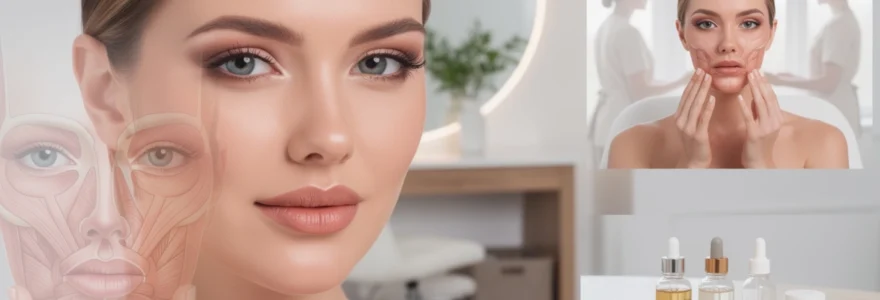
The pursuit of fuller, more defined lips has become increasingly sophisticated, moving beyond invasive procedures to embrace natural enhancement techniques that work with your body’s existing anatomy. Modern aesthetic understanding reveals that lip enhancement isn’t solely about adding volume—it’s about optimising muscle tone, improving tissue quality, and creating visual illusions through strategic techniques. These natural approaches offer sustainable results without the risks, costs, or maintenance requirements associated with injectable treatments.
Natural lip enhancement leverages the intricate relationship between facial muscles, skin texture, and optical perception to create the appearance of fuller, more shapely lips. By understanding how light reflection, muscle engagement, and topical applications influence lip appearance, you can achieve remarkable improvements using scientifically-backed methods that enhance your natural features rather than dramatically altering them.
Facial anatomy and lip structure fundamentals for natural enhancement
Understanding the orbicularis oris muscle complex
The orbicularis oris represents the primary muscle responsible for lip shape, function, and appearance. This complex circular muscle encircles the mouth, controlling everything from speech articulation to facial expressions. When properly conditioned, this muscle can significantly influence lip projection and definition. The muscle fibres work in coordination with surrounding facial muscles to create the dynamic movements that give lips their characteristic shape and volume.
Strengthening the orbicularis oris through targeted exercises can increase resting muscle tone, causing lips to appear naturally fuller even when relaxed. This enhanced muscle tone creates better lip projection, improved definition along the lip border, and increased blood circulation to the area. The improved circulation brings nutrients to the tissue whilst promoting collagen synthesis, contributing to healthier, more resilient lip skin.
Vermillion border definition and cupid’s bow architecture
The vermillion border serves as the transitional zone between regular facial skin and lip tissue, creating the visual boundary that defines lip shape. This anatomical feature contains a higher concentration of blood vessels, giving it a naturally darker appearance that can be enhanced through various non-invasive techniques. Understanding this structure is crucial for natural enhancement because sharpening the vermillion border creates the illusion of increased lip size without adding actual volume.
The Cupid’s bow—the curved area of the upper lip—represents one of the most important features for creating an aesthetically pleasing lip shape. Enhancing the definition of this area through muscle exercises and topical treatments can dramatically improve overall lip appearance. The peaks of the Cupid’s bow can be subtly emphasised through targeted muscle conditioning, creating more pronounced curves that catch light and create visual interest.
Philtrum column influence on perceived lip volume
The philtrum columns—the vertical ridges running from the nose to the upper lip—play a crucial role in lip aesthetics by creating shadows and highlights that influence perceived volume. These anatomical features can be enhanced through massage techniques and specific exercises that improve muscle tone in the surrounding areas. When properly defined, the philtrum columns create an optical illusion that makes the upper lip appear fuller and more projected.
Research indicates that well-defined philtrum columns contribute to youthful lip appearance by maintaining proper lip architecture. As facial muscles lose tone with age, these defining features become less pronounced, contributing to the appearance of thinner lips. Targeted exercises that strengthen the levator labii superioris muscle can help maintain and enhance philtrum definition throughout the ageing process.
Nasolabial fold impact on overall lip appearance
The nasolabial folds significantly influence how lip size and shape are perceived, as these facial features work together to create overall facial harmony. When nasolabial folds become more pronounced, they can create shadows that make lips appear smaller or less defined. Addressing muscle tone and skin quality in this area through natural techniques can improve the overall aesthetic relationship between lips and surrounding facial features.
Maintaining proper muscle balance between the lips and nasolabial area requires understanding how different facial expressions and muscle patterns interact. Exercises that target both the lip muscles and the surrounding facial muscles create more comprehensive improvements in lip appearance whilst maintaining natural facial movement patterns.
Non-invasive lip plumping techniques through targeted exercises
Resistance training with lip compression methods
Begin by placing the lips together as if saying “mmm”, then press them firmly against each other while simultaneously trying to smile slightly. Hold this compression for 5–10 seconds before releasing, and repeat 10–15 times. This simple resistance training helps strengthen the orbicularis oris muscle and improves lip projection over time. You can increase the challenge by placing a clean fingertip or a soft cotton pad between the lips and gently squeezing against it to create extra resistance.
To avoid creating unwanted expression lines, keep the rest of the face relaxed while performing lip compression exercises. Focus on slow, controlled movements rather than rapid repetitions, as this allows the muscle fibres to engage more effectively. Consistency is key: performing these exercises once or twice daily for several weeks typically leads to subtle but noticeable improvements in lip shape and resting fullness. If you experience discomfort in the jaw or neck, reduce intensity and check your posture in the mirror.
Circular muscle strengthening via whistling protocols
Whistling-based protocols provide a practical way to engage the circular muscles around the mouth without equipment. When you form a whistle, the orbicularis oris contracts in a controlled, symmetrical pattern, which can gradually enhance lip contour and subtle lip lift. Think of this as “cardio” for your lips—gentle, repetitive activation that improves endurance and tone without overstraining the tissue.
To implement a targeted whistling routine, purse your lips as if to whistle, gently drawing them forward while keeping the jaw relaxed. Hold this position for 5 seconds, then relax for 5 seconds, repeating 10–20 times. For an added challenge, vary the pitch of the whistle: higher pitches tend to require a tighter lip seal, while lower tones encourage more relaxed but still engaged positioning. If you cannot whistle, simply holding the “whistle shape” and breathing out slowly through pursed lips offers similar muscular benefits.
Over time, these whistling protocols can help create more defined lip edges and a slightly more prominent pout at rest. Many people find it easy to integrate this into daily routines—such as during a walk or while listening to music—making it a low-effort strategy for natural lip enhancement. As with any facial exercise, avoid overdoing it; mild fatigue is acceptable, but pain or cramping is a signal to pause.
Facial yoga sequences for enhanced lip definition
Facial yoga combines breath, posture, and targeted movements to enhance lip definition while maintaining overall facial harmony. Rather than isolating only the lips, facial yoga sequences address the interconnected muscles of the cheeks, jaw, and perioral region. This holistic approach helps prevent the “over-trained” look that can occur when one area is strengthened without supporting structures.
One effective sequence begins with the “O–E” exercise. Form an exaggerated “O” with your lips, ensuring the teeth remain slightly apart, then move into a wide “E” smile without showing excessive gum. Alternate between these shapes 15–20 times, focusing on smooth transitions and controlled breathing. This movement pattern gently stretches and contracts the lip and cheek muscles, improving flexibility and definition. Another useful pose is the “air puffer”: close your lips and move air from one cheek to the other, holding each side for a few seconds to engage the surrounding musculature.
Regular facial yoga practice—around 5–10 minutes per day—can contribute to a more lifted mouth corner appearance and a clearer vermillion border. Some small clinical studies on facial exercise have reported improvements in perceived facial youthfulness after consistent practice over 8–12 weeks. While results vary from person to person, combining facial yoga with good skincare and hydration creates a strong foundation for natural lip enhancement.
Myofascial release techniques for perioral tissue
The fascia around the mouth can become tight due to habitual expressions, clenching, or asymmetrical chewing patterns. This tension may pull the lips inward, creating the impression of thinner lips or deepening lines around the mouth. Myofascial release techniques help soften these restrictions, allowing the lips to sit more prominently and comfortably on the face. Think of it as “stretching” for the connective tissue that supports your lips.
To perform a simple myofascial release, start with clean hands and apply a small amount of oil or balm around the mouth. Use your index and middle fingers to make small, slow circles along the lip border, particularly at the corners where tension often gathers. Gradually increase pressure, but stay within a comfortable range, and continue for 1–2 minutes. You can also gently pinch and roll the skin just above and below the lips between your fingers, which helps mobilise superficial fascia and stimulate circulation.
Another technique involves placing one clean finger inside the mouth (between lip and teeth) while the other hand remains on the outside, then gently “scissoring” the tissue between the two fingers along the inner lip line. This intraoral approach, borrowed from professional massage therapy, can be surprisingly effective for releasing deep tension. If you are prone to TMJ issues or jaw tightness, combining perioral myofascial release with neck and jaw stretching may further enhance the visual openness and fullness of the lips.
Topical applications and natural lip enhancement serums
Hyaluronic acid alternatives in plant-based formulations
Hyaluronic acid is widely known for its plumping and hydrating effects, but many people seek plant-based alternatives for natural lip enhancement without injections. Botanical humectants such as aloe vera, glycerin (derived from plants), and tremella mushroom extract can attract and retain moisture in a similar way. When these ingredients are combined with occlusive agents like shea butter or cocoa butter, they create a moisture reservoir that helps lips appear smoother and more voluminous.
In practical terms, a plant-based lip serum that layers light humectants under richer emollients can mimic some of the visual benefits of injectable fillers—on a smaller, temporary scale. You might notice that after applying a hydrating serum and sealing it with a balm, fine lines look less etched and the lip surface reflects more light. This optical effect contributes to the impression of naturally fuller lips. For best results, apply such formulations on slightly damp lips to maximise water-binding capacity.
For those with sensitive skin, fragrance-free and essential oil–free options are often safest, as the lip barrier is thinner and more prone to irritation than other facial areas. Checking for clinically tested claims, such as measured increases in lip hydration over several hours, can help you choose evidence-based products rather than relying solely on marketing language. Remember that consistent daily use is more impactful than sporadic applications when it comes to maintaining a plump, hydrated appearance.
Peptide complex integration for collagen stimulation
Peptides have become a cornerstone of advanced skincare, and they can also contribute to natural lip enhancement without injections. These short chains of amino acids act as signalling molecules, encouraging the skin to produce more collagen and elastin. Over time, this can support firmer, more resilient lip tissue and improve the appearance of vertical lip lines, especially along the upper lip border.
Common peptide complexes in lip products include palmitoyl tripeptides and copper peptides, both of which have been studied for their role in collagen synthesis and wound healing. When incorporated into a lip serum or balm, these ingredients may help reinforce the dermal matrix beneath the lip surface. While results are gradual—typically visible after several weeks to a few months—they are also cumulative, making peptide-based lip care a smart long-term strategy.
To integrate peptides into your routine, apply a thin layer of peptide-rich product to clean, dry lips once or twice daily, ideally beneath a protective balm or SPF during the day. You can think of peptides as “trainers” for your skin cells, reminding them to behave in a more youthful way. Combining peptide formulas with gentle exfoliation 1–2 times per week ensures that active ingredients can penetrate more effectively, rather than sitting on top of a layer of dead skin cells.
Essential oil protocols using cinnamon and peppermint extracts
Cinnamon and peppermint essential oils are frequent components of natural lip plumpers because they create mild, controlled irritation that increases local blood flow. This temporary vasodilation can make lips appear slightly redder and fuller for a short period, often 30 minutes to a couple of hours. If you have ever noticed your lips swell a bit after eating spicy food or mint, you have experienced a similar effect.
To use these potent oils safely, dilution is non-negotiable. A common approach is to mix one drop of cinnamon leaf or peppermint essential oil into a teaspoon of carrier oil such as jojoba or sweet almond oil, then apply a very thin layer to the lips. You will typically feel a tingling sensation within a minute or two—this is the increased circulation at work. If the tingling becomes painful or your lips feel extremely hot, remove the product immediately and apply a bland, soothing balm.
Because essential oils can cause irritation or allergic reactions, patch testing on the inner arm before applying to the lips is wise. You may also prefer to choose pre-formulated lip products that use these ingredients at controlled concentrations, especially if you have sensitive or reactive skin. Used judiciously, cinnamon and peppermint protocols can offer a quick, natural boost for special occasions when you want a little extra plumpness without reaching for fillers.
Vitamin E and retinol derivative applications
Vitamin E is a powerful antioxidant that helps protect the delicate lip area from environmental damage, particularly from UV exposure and pollution. By neutralising free radicals, it supports the integrity of collagen and elastin fibres, which indirectly contributes to maintaining lip volume over time. In practice, vitamin E–rich balms can help soften rough patches, reduce flaking, and create a smoother, more light-reflective surface.
Retinol derivatives, such as low-strength retinyl palmitate, are sometimes used around—but not directly on—the lips to stimulate cell turnover and collagen production. When carefully applied to the perioral area (the skin just above and below the lips), these ingredients can soften vertical lines that make lips look collapsed or “deflated”. The result is a cleaner, more defined lip border that enhances the natural shape of the mouth, even without injections.
Because retinoids can be irritating, especially on thin skin, start with a low concentration and use them only a few times per week at night, avoiding the actual lip vermillion. Follow with a rich, non-irritating lip balm to maintain comfort. Over several months, you may notice that the skin around your lips appears smoother and firmer, which in turn can make the lips themselves look more youthful and naturally enhanced. Always pair evening retinoid use with broad-spectrum SPF during the day to protect your results.
Professional non-surgical lip enhancement treatments
For those seeking more noticeable changes without committing to dermal fillers, several professional non-surgical lip enhancement options exist. These treatments aim to improve lip definition, texture, and colour using technologies that stimulate the skin’s own regenerative processes. While they cannot replicate the volume gains of injectable fillers, they can significantly refine the lip area and support a naturally fuller appearance over time.
One increasingly popular approach is the lip flip using very small doses of botulinum toxin. By relaxing the muscles that pull the upper lip inward, the lip margin can gently roll outward, exposing more of the natural pink tissue. This creates the impression of a fuller upper lip without adding any foreign material. Results generally appear within 7–10 days and last around 2–3 months, making it a relatively low-commitment option compared with traditional fillers.
Other non-surgical treatments include skin boosters or polynucleotide injections placed around—but not necessarily within—the lips to improve hydration and skin quality. These microinjections deliver hydrating and regenerative substances into the superficial dermis, leading to smoother, more elastic tissue over a series of sessions. Energy-based therapies such as fractional lasers or radiofrequency microneedling can also be used around the mouth to tighten skin and soften lines, indirectly enhancing lip definition.
If you prefer needle-free options, treatments like Hydrafacial lip add-ons offer targeted exfoliation and infusion of hydrating serums for an immediate, though short-lived, plumping effect. Similarly, LED light therapy using specific red and near-infrared wavelengths may help support collagen production over time when performed in a series. As with any professional aesthetic procedure, an in-depth consultation with a qualified practitioner is essential to determine which combination of treatments is safest and most effective for your anatomy, skin type, and goals.
Makeup artistry techniques for optical lip enlargement
Makeup remains one of the most powerful tools for enhancing lip shape without injections, offering instant yet reversible results. By understanding how light, shadow, and colour work together, you can create the illusion of fuller lips in just a few minutes. The aim is not to radically change your features, but to subtly enhance what you already have using strategic placement and blending.
A classic technique is controlled overlining. Rather than drawing well beyond your natural lip line, focus on slightly extending the outline at the centre of the upper and lower lips while staying within or just on the vermillion border at the corners. This respects the natural architecture of your lips and avoids an artificial “sticker” appearance. Choose a lip pencil that matches your natural lip tone or your lipstick shade for the most believable result.
Playing with dimension through gradient colour is another effective strategy for optical lip enlargement. Applying a slightly deeper shade along the outer edges and a lighter, more reflective tone at the centre of the lips mimics the way light naturally falls on rounded surfaces. This ombré effect gives the impression of a plumper, more three-dimensional pout without any physical change to your tissue.
Texture also plays a crucial role. Matte formulas tend to absorb light and can make lips appear flatter, while satin and glossy finishes reflect light and create a more voluminous look. If you prefer matte lipstick for longevity, you can still tap a bit of clear gloss or highlighter onto the centre of the lips and the Cupid’s bow to add lift and shine. A tiny touch of highlighter at the philtrum columns can further enhance the vertical contours that signal youth and fullness.
To tie everything together, consider how your overall makeup look frames your lips. Softer, well-blended lip liner, balanced with subtle blush and defined brows, helps the mouth appear naturally prominent without looking overdone. The advantage of makeup artistry is its flexibility: you can experiment with different shapes and intensities until you discover the style that best complements your features and comfort level.
Lifestyle factors and nutritional support for lip health
Natural lip enhancement without injections is most effective when supported by healthy lifestyle habits and targeted nutrition. Because lips lack oil glands and have a thinner barrier than surrounding skin, they are particularly vulnerable to dehydration, sun damage, and environmental stress. Addressing these factors from the inside out can make a visible difference in lip texture, colour, and resilience.
Hydration is foundational. Even mild dehydration can cause the lips to appear dull, flaky, and deflated, much like a dried piece of fruit. Ensuring adequate daily water intake—often around 1.5–2 litres for many adults, depending on body size and activity level—helps maintain internal moisture balance. Including hydrating foods such as cucumber, watermelon, and citrus fruits in your diet adds another layer of support, as does limiting excessive caffeine and alcohol, which can be dehydrating.
From a nutritional standpoint, vitamins A, C, and E, along with omega-3 fatty acids, are particularly relevant to lip health. Vitamin C supports collagen synthesis, vitamin A regulates cell turnover, and vitamin E offers antioxidant protection. Omega-3s, found in fatty fish, flaxseeds, and walnuts, help maintain supple, less inflamed skin and may reduce dryness and cracking at the lip corners. A balanced diet rich in colourful fruits, vegetables, and healthy fats naturally delivers many of these nutrients.
External lifestyle habits matter just as much. Consistent use of a broad-spectrum SPF lip balm helps prevent UV-induced collagen breakdown and pigment changes, which over time can make lips look thinner and more uneven in tone. Avoiding habitual licking of the lips, smoking, and frequent use of harsh, drying lip products also preserves the barrier function of the lip skin. Simple routines, such as applying a nourishing balm before bed and using a humidifier in dry environments, go a long way.
Finally, stress management and sleep quality indirectly impact lip appearance by influencing overall skin health and repair processes. Chronic stress and insufficient sleep can dull the complexion and slow tissue regeneration, including in the lip area. Incorporating restorative practices—whether facial massage, breathing exercises, or a regular wind-down routine—supports not only your well-being but also the long-term results of your natural lip enhancement efforts. By aligning internal and external care, you give your lips the best chance to look naturally full, defined, and healthy without reliance on injections.