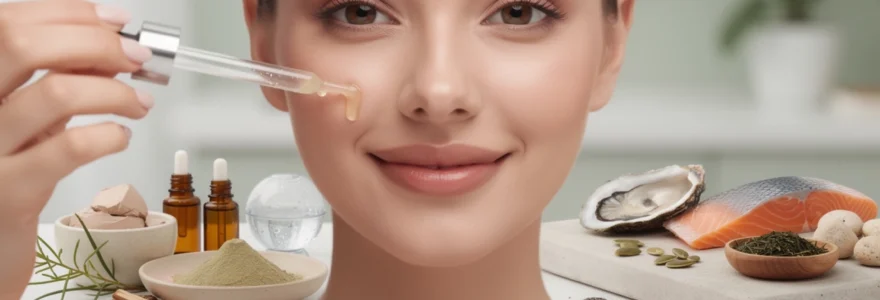
# How to minimize the appearance of pores naturally
Enlarged pores represent one of the most common cosmetic concerns affecting individuals across all skin types and ages. These tiny openings, which serve essential physiological functions including sebum release and thermoregulation, can become visually prominent due to various genetic and environmental factors. While completely eliminating pores remains physiologically impossible—after all, the average adult possesses approximately five million of these vital structures—scientific advances in dermatological research have revealed numerous natural approaches that can significantly reduce their visible appearance. Understanding the underlying mechanisms that govern pore diameter and implementing evidence-based interventions can transform skin texture, creating a smoother, more refined complexion without resorting to invasive procedures or synthetic compounds.
The journey toward minimizing pore visibility begins with comprehending what makes these structures appear enlarged in the first place. Factors ranging from excessive sebaceous gland activity to collagen degradation, from hormonal fluctuations to photoaging, all contribute to the stretching and dilation of these cutaneous openings. Fortunately, nature provides an extensive pharmacopoeia of botanical extracts, mineral-rich clays, and nutrient-dense foods that address these underlying causes through multiple pathways. By combining topical treatments with strategic dietary modifications and protective lifestyle habits, you can achieve remarkable improvements in skin texture and pore refinement.
Understanding sebaceous gland activity and pore diameter dynamics
The relationship between sebaceous gland output and pore visibility forms the foundation for understanding natural pore minimization strategies. Each oil-releasing pore connects to a sebaceous gland situated beneath the skin’s surface, which continuously produces sebum—a complex lipid mixture containing triglycerides, fatty acids, wax esters, and squalene. When these glands function optimally, they produce balanced amounts of sebum that lubricate and protect the skin without causing congestion. However, various triggers can stimulate excessive sebum production, causing the glands to enlarge and subsequently dilating the pore opening through which this oil must travel.
Genetic predisposition plays a substantial role in determining baseline sebaceous gland size and activity levels. Research indicates that individuals with naturally oily skin possess larger sebaceous glands that produce up to five times more sebum than those with dry skin types. This increased oil production creates a perpetual cycle: abundant sebum flows through pores, mixing with dead skin cells and environmental debris to form plugs that stretch the pore walls. Over time, this repetitive stretching compromises the structural integrity of the pore lining, making it less capable of contracting back to its original diameter even after the blockage clears.
Hormonal fluctuations represent another critical factor influencing sebaceous gland behaviour. Androgens, particularly dihydrotestosterone (DHT), directly stimulate sebum production by binding to receptors within sebaceous cells. This explains why pore visibility often worsens during puberty, menstrual cycles, and periods of hormonal transition. Interestingly, stress-induced cortisol elevation also amplifies sebaceous activity through complex endocrine pathways, highlighting the importance of holistic approaches that address both topical concerns and systemic influences. Understanding these dynamics allows for targeted natural interventions that modulate sebum production at its source rather than merely addressing surface symptoms.
Environmental aggressors compound these intrinsic factors by compromising the skin’s structural framework. Ultraviolet radiation degrades collagen and elastin fibres that form the supportive matrix surrounding each pore. As this scaffolding weakens, pores lose their ability to maintain a tight, compact appearance, instead becoming lax and dilated. Pollution particles, particularly fine particulate matter (PM2.5), penetrate pore openings and generate oxidative stress that accelerates this collagen breakdown. Temperature extremes similarly affect pore diameter—excessive heat causes temporary dilation to facilitate sweat release, while chronic exposure can permanently compromise pore wall integrity. Recognizing these multifaceted influences enables the development of comprehensive natural protocols that simultaneously address sebum regulation, structural support, and environmental protection.
Topical retinoid alternatives: bakuchiol and Plant-Based retinol mimetics
The quest for natural alternatives to synthetic retinoids has yielded several promising botanical compounds that deliver comparable benefits without associated irritation and photosensitivity. These plant-derived actives work through complementary mechanisms
within the epidermis, encouraging orderly keratinocyte turnover, preventing compacted dead skin cells from accumulating inside pores. By promoting smoother desquamation and supporting collagen synthesis, these topical retinoid alternatives help refine skin texture and gradually minimize the appearance of enlarged pores while maintaining a gentler profile suitable for sensitive or reactive skin types.
Bakuchiol serum application protocols for keratinocyte turnover enhancement
Bakuchiol, a meroterpene phenol derived primarily from the seeds of Psoralea corylifolia, has emerged as one of the most studied natural retinol mimetics for improving visible pore size. In vitro research shows that bakuchiol upregulates genes involved in collagen production and cell renewal in a manner comparable to retinol, yet with a significantly lower risk of erythema or peeling. For someone seeking to minimize the appearance of pores naturally, this makes bakuchiol a strategic choice: it helps normalize keratinocyte shedding so dead cells do not compact and widen pore openings over time.
For optimal results, bakuchiol serums are typically applied once daily in the evening during the initial four weeks to allow the skin barrier to adjust. You can then increase usage to twice daily if your skin tolerates it well and you are not experiencing dryness or sensitivity. A pea-sized amount is generally sufficient for the entire face; apply it after a gentle, non-comedogenic cleanser and before your moisturizer. Because bakuchiol is less photosensitizing than traditional retinoids, it is often marketed as “day-safe,” yet pairing it with a broad-spectrum mineral or hybrid SPF still remains critical to protect newly renewed cells and support long-term pore refinement.
Those with very oily or blemish-prone skin may find that combining bakuchiol with lightweight hydrating ingredients—such as hyaluronic acid or glycerin—enhances comfort while avoiding occlusion. Think of bakuchiol as a “traffic controller” for keratinocyte turnover: by keeping the flow of cells moving at a steady, healthy pace, it reduces the chance of dead-cell traffic jams inside pores that lead to congestion, roughness, and exaggerated pore diameter. Consistency is key; visible textural improvements in pore appearance usually become noticeable after 8–12 weeks of nightly use.
Rosehip seed oil: Trans-Retinoic acid content and comedone prevention
Rosehip seed oil, pressed from the seeds of Rosa canina or related species, offers a unique profile of naturally occurring trans-retinoic acid precursors alongside omega-3 and omega-6 fatty acids. While its concentration of direct trans-retinoic acid is low compared with prescription formulations, the skin can gradually convert these vitamin A derivatives into active forms that gently support cell turnover and collagen maintenance. This subtle retinoid-like activity, coupled with its anti-inflammatory properties, makes rosehip oil an excellent adjunct for improving uneven texture and softening the look of large pores.
Contrary to the common fear that oils inevitably cause clogged pores, a properly formulated, cold-pressed rosehip seed oil is generally considered low comedogenic when used sparingly and layered correctly. The key is its lightweight, dry-oil texture and high linoleic acid content, which can help rebalance the lipid composition of sebum in those prone to comedones. Studies indicate that acne-prone individuals often exhibit sebum depleted in linoleic acid; replenishing this fatty acid may reduce the tendency for compacted plugs to form within pores. Used this way, rosehip oil can actually support comedone prevention rather than aggravate it.
To integrate rosehip seed oil into a pore-minimizing routine, apply 2–3 drops to slightly damp skin as the final step in your evening regimen, gently pressing it over areas where pores appear most visible, such as the nose, cheeks, and forehead. If you have combination or oily skin, you might prefer to restrict application to these high-pore-visibility zones rather than the entire face. You can also cocktail one drop of rosehip oil with a water-based serum to dilute its richness while still harnessing its trans-retinoic acid precursors. As with any active lipid, monitor your skin over several weeks; if you notice increased congestion, reduce frequency to 2–3 nights per week or reserve it for drier seasons.
Sea fennel extract and its role in elastin fibre preservation
Sea fennel extract (Crithmum maritimum) is another plant-based retinol mimetic increasingly incorporated into natural pore-minimizing formulas. Rich in chlorogenic acids, vitamins, and marine-adapted antioxidants, this coastal botanical is valued for its ability to encourage epidermal renewal while helping preserve the dermal matrix that surrounds each pore. Unlike more aggressive exfoliants, sea fennel is often better tolerated by reactive skin, offering a gentle way to smooth uneven texture and maintain the elasticity that keeps pores appearing tighter and more compact.
From a mechanistic standpoint, sea fennel extract supports elastin and collagen fibres by reducing oxidative stress and modulating the expression of matrix metalloproteinases—enzymes that degrade structural proteins under UV exposure and pollution. Imagine the skin’s support network as the frame of a trampoline: when the springs and fabric are strong, the surface stays taut and smooth; when they weaken, everything sags, and pores look larger and more irregular. By helping maintain that “trampoline” integrity, sea fennel extract contributes to a more refined, resilient complexion where pores appear less pronounced.
Look for serums or lightweight emulsions featuring standardized sea fennel extract at meaningful concentrations, often listed in the top third of the ingredient list. These products are best applied after cleansing and toning, ideally in routines that already include daily SPF and antioxidant support. Combining sea fennel with niacinamide or vitamin C can offer a synergistic effect, addressing both pore visibility and tone irregularities common in oilier skin types. With consistent use over several months, many individuals report not only smoother texture but also a subtle “lifting” effect that makes enlarged pores on the nose and cheeks less obvious in natural light.
Alpha-hydroxy acid sourcing from willow bark and sugar cane
Alpha-hydroxy acids (AHAs) are renowned for their ability to dissolve the bonds between dead skin cells, making them invaluable in any routine designed to minimize the appearance of pores. While glycolic and lactic acids are frequently synthesized in laboratories, many natural formulations now source their AHAs from botanicals such as sugar cane, sugar maple, and certain fruits. Willow bark, though technically a natural source of salicin (a beta-hydroxy precursor similar to salicylic acid), is often combined with sugar-derived AHAs to create a balanced exfoliating complex that targets both the surface and inside of pores.
When used at low to moderate concentrations, sugar cane–derived glycolic acid promotes a more uniform shedding of corneocytes, preventing them from accumulating at the pore opening and creating the rough, enlarged appearance often seen on the T-zone. Meanwhile, willow bark–derived salicylates can be converted in the skin to salicylic-like compounds that penetrate into the pore lining, helping to dissolve sebum-rich plugs from within. This dual action—surface smoothing plus internal decongestion—makes AHA/BHA blends especially effective for those seeking to minimize large pores on the nose and cheeks naturally.
For at-home use, leave-on tonics or serums with 2–8% total acid concentration are typically sufficient for ongoing maintenance. Sensitive or dry skin may respond best to lactic-acid–dominant formulas, while thicker, oilier skin can generally tolerate more glycolic acid. Limit strong chemical exfoliation to a few evenings per week, alternating with restorative, barrier-focused nights to prevent over-stripping. Over-exfoliation can paradoxically increase pore visibility by causing micro-irritation and dehydration, similar to over-sanding a surface until it becomes uneven. Aim instead for a “polished, not peeled” effect: skin that feels smoother and clearer while remaining supple and comfortably hydrated.
Clay mineral masks: kaolin and bentonite for sebum regulation
Clay masks remain one of the most time-tested, natural methods for instantly improving the look of enlarged pores and oily shine. Mineral clays such as kaolin and bentonite possess a unique combination of absorptive and adsorptive properties, meaning they can draw excess oil, impurities, and even some pollutants out of the pore environment while gently binding to them on the skin’s surface. For those wondering how to minimize pore appearance before an event or to complement a long-term routine, a well-formulated clay mask can deliver visible refinement after a single use.
Kaolin clay, typically white or lightly tinted, is among the gentlest options and is suitable for sensitive or combination skin. Bentonite, derived from volcanic ash, swells when hydrated and offers more intensive oil absorption, making it ideal for very oily or acne-prone complexions. By temporarily reducing the amount of sebum pooled at the pore opening and loosening embedded debris, both clays help pores appear smaller and more uniform. The key is using these treatments consistently but not excessively—usually once or twice per week—as part of a broader pore-minimizing skincare strategy.
To enhance results, many modern clay masks incorporate additional botanicals such as green tea, aloe vera, or niacinamide to calm inflammation and support barrier function. This prevents the common pitfall of traditional “tight and dry” masks that strip the skin and trigger rebound oiliness. Think of clay masks as a deep-clean cycle in your skincare routine: powerful enough to reset the T-zone when it feels congested, but balanced with soothing agents so your skin emerges clear yet comfortable, not irritated or depleted.
French green clay poultice techniques for deep pore cleansing
French green clay, also known as illite or sea clay, is prized for its rich mineral content and strong detoxifying capacity. Its characteristic green hue comes from iron oxides and decomposed plant matter, which may contribute additional trace nutrients and antioxidant effects. When hydrated, French green clay forms a fine paste capable of drawing out oil, environmental toxins, and oxidized sebum (the dark component of blackheads) from congested pores. For those with stubborn clogged pores on the nose and chin, a targeted French green clay poultice can be especially helpful.
To create a simple poultice at home, mix French green clay powder with purified water, hydrosol, or an aloe vera juice base until it reaches a yogurt-like consistency. Apply a thin layer over cleansed, slightly damp skin, focusing on the T-zone and areas where pores appear largest. Rather than allowing the mask to dry and crack completely—which can compromise the skin barrier—aim for a “just set” texture and then mist lightly with water or hydrosol to keep it from overdrying. After 8–12 minutes, rinse with lukewarm water using gentle circular motions, then follow with a hydrating toner and non-comedogenic moisturizer.
If your skin is particularly oily, you can experiment with “multi-masking” by using French green clay only on problem zones and a cream or gel mask on drier areas of the face. Over time, this technique supports deep pore cleansing where you need it most, without compromising the balance of your cheeks or eye area. Used once a week, a French green clay poultice can help maintain clearer pores, reduce the frequency of blackheads, and impart a more matte, refined finish that makes enlarged pores less noticeable in high-definition lighting.
Moroccan rhassoul clay: magnesium and silica content analysis
Moroccan rhassoul clay, mined from the Atlas Mountains, is renowned not only for its cleansing abilities but also for its notable levels of magnesium, silica, and other skin-benefiting minerals. Unlike some clays that can feel overly drying, rhassoul tends to impart a smoother, almost silky finish, making it ideal for those seeking to reduce pore visibility without excessively stripping the skin. Its high silica content supports the skin’s natural barrier and may contribute to improved elasticity over time, indirectly helping pores maintain a tighter appearance.
From a pore-minimizing perspective, rhassoul’s gentle yet effective sebum regulation helps reduce the shine and oil pooling that accentuates enlarged pores. At the same time, its fine particle size offers a mild polishing action when massaged during rinsing, which can help dislodge superficial debris near pore openings. Think of rhassoul as a “spa-grade” clay: it purifies and clarifies while leaving the skin feel soft rather than squeaky, making it suitable even for normal or slightly dry skin that still struggles with visible pores on specific zones.
To incorporate rhassoul clay into your routine, you can use it as a weekly mask or as an occasional replacement for your cleanser, particularly after workouts or heavy sunscreen application. Mix the clay with warm water or a nourishing liquid such as rose water and apply as you would any other mask, avoiding the eye contour. After a short treatment period—usually 5–10 minutes—rinse thoroughly and immediately layer on hydration to lock in moisture. Over time, many users notice fewer congestion-related breakouts and a more even, refined skin surface that allows light to reflect more uniformly, visually diminishing pore size.
Australian pink clay for sensitive skin pore refinement
Australian pink clay blends kaolin with iron oxides to create a softer, more skin-friendly option for those whose pores appear large yet whose skin reacts easily to stronger treatments. While still offering light detoxification and oil absorption, pink clay masks are typically less astringent, making them ideal for redness-prone or combination skin that needs gentle pore care. If you have ever asked yourself, “How can I tighten my pores naturally without aggravating my sensitive skin?” pink clay may be a compelling answer.
Its mild mineral composition allows for more frequent use—up to two or three times per week for some individuals—without triggering the tightness or flaking associated with harsher clays. Many Australian pink clay formulas are enriched with soothing botanicals like chamomile, calendula, or kakadu plum (a vitamin C–rich native fruit), creating a multi-action treatment that calms, brightens, and refines simultaneously. This holistic approach helps address the common pairing of visible pores with post-inflammatory redness or uneven tone, often seen in skin recovering from breakouts.
When applying Australian pink clay, follow a gentle routine: cleanse, optionally steam your face for a few minutes to encourage pore softening, then apply a thin layer of mask. Remove it before it fully hardens to avoid dehydration, and immediately follow with a hydrating serum and a non-comedogenic moisturizer. Regular use can gradually reduce the look of pores around the nose and cheeks, especially when combined with daily sun protection and night-time cell-renewing actives like bakuchiol. Over time, you may find your skin feels calmer, less reactive, and optically smoother, all of which contribute to a naturally pore-blurring effect.
Niacinamide-rich botanicals: mushroom and yeast extracts for barrier function
Niacinamide, a form of vitamin B3, consistently ranks among dermatologists’ top recommendations for improving visible pores, balancing sebum, and strengthening the skin barrier. While pure niacinamide is commonly produced synthetically for stability, several botanical and fermentation-derived extracts—such as certain mushroom and yeast filtrates—are naturally rich in B vitamins and can support similar pathways. Their combined effects on barrier repair, inflammation reduction, and oil regulation make them powerful allies for anyone wishing to minimize pore appearance naturally.
Fermented yeast extracts, often labeled as galactomyces or saccharomyces filtrates, are abundant in B vitamins, amino acids, and minerals that help optimize barrier function and hydration. A robust barrier keeps transepidermal water loss in check, preventing the dehydration-triggered overproduction of sebum that can worsen pore dilation. Mushroom extracts, particularly from species like reishi, chaga, and tremella, provide beta-glucans and polysaccharides that soothe inflammation while supporting the skin’s moisture reservoir. Together, these components create a more balanced environment where pores are less likely to stretch due to chronic irritation or fluctuating oil output.
In practice, you might encounter these niacinamide-rich botanicals in lightweight essences, serums, or emulsions designed for daily use. Applied after cleansing and before occlusive moisturizers, they act as a “nutrient infusion” for the skin, helping it better regulate oil and maintain a smoother, more refined texture. Over several weeks, many people notice reduced shine across the T-zone, fewer congestion-related breakouts, and a softer, more even look to pores, particularly under natural daylight. Because these ingredients tend to be well tolerated, they are excellent companions to more active treatments like AHAs or bakuchiol, buffering potential irritation and supporting long-term skin resilience.
Cold therapy and cryogenic facial techniques using ice globes
Cold therapy has long been used to reduce swelling and constrict blood vessels, and in skincare, these same principles can temporarily diminish the appearance of large pores. Cryogenic facial tools—such as chilled glass or stainless-steel ice globes, cryo-sticks, or even simple ice cubes wrapped in a soft cloth—can cause short-term vasoconstriction and surface tightening. While these effects are not permanent structural changes, they provide an immediate “soft-focus” effect that many people appreciate before makeup application or photography.
When applied correctly, cold therapy can also calm redness and reduce the perception of inflammation that often draws attention to pores. Think of it as placing a cool compress on a slightly inflamed area: not only does the tissue feel more comfortable, but it also appears smoother and less prominent. Used alongside a pore-minimizing skincare routine—such as niacinamide serums and clay masks—ice globe facials offer a non-invasive, inexpensive way to enhance your results without interfering with barrier health. The key is to use them as a finishing step, not as a substitute for long-term ingredients that remodel collagen or regulate sebum.
To perform a simple cryo facial at home, store your ice globes or metal tools in the refrigerator (not the freezer, to avoid extreme cold that could irritate or damage the skin). After cleansing and applying your serums, glide the chilled tools over your face in upward and outward motions for 3–5 minutes, focusing on areas with visible pores such as the nose, cheeks, and forehead. Always keep the tools moving and avoid pressing too hard; a gentle rolling or sweeping motion is sufficient to encourage de-puffing and temporary pore tightening. For those with rosacea or very reactive skin, start with shorter sessions and monitor your skin’s response, as extreme temperature changes can sometimes trigger flushing.
Dietary interventions: Zinc-Rich foods and omega-3 fatty acid ratios
While topical strategies are essential for minimizing visible pores, internal factors such as nutrient status and dietary patterns also influence sebum production, inflammation, and skin structure. Emerging evidence suggests that certain micronutrients—particularly zinc and omega-3 fatty acids—help modulate hormonal pathways and inflammatory cascades associated with excess oil and clogged pores. In other words, what you put on your plate can either support or undermine your efforts to make pores look smaller naturally.
Zinc plays a crucial role in androgen metabolism and has been shown in multiple studies to reduce inflammatory acne severity when supplemented at appropriate doses. Omega-3 fatty acids, especially EPA and DHA, help regulate inflammatory mediators in the skin and may reduce the intensity of acne lesions and redness around enlarged pores. At the same time, diets high in refined carbohydrates and sugary foods can spike insulin and insulin-like growth factor 1 (IGF-1), both of which stimulate sebaceous gland activity. By adjusting your nutrient intake and glycaemic load, you can create an internal environment that is less prone to excessive sebum production and pore-stretching congestion.
Of course, dietary changes are not a quick fix; they act more like slow, steady background support for your topical regime. However, over several months, many individuals notice that when their blood sugar is better controlled and their intake of anti-inflammatory nutrients improves, their skin looks calmer, less oily, and more uniform in texture. Combining these dietary interventions with targeted skincare creates a multi-layered approach to pore minimization that addresses both the surface and root causes of enlargement.
Pumpkin seeds and oysters for androgen metabolism regulation
Pumpkin seeds and oysters are among the richest natural food sources of bioavailable zinc, making them valuable additions for those targeting visible pores and oiliness from within. Zinc acts as a cofactor for numerous enzymes involved in hormone metabolism, including the conversion of testosterone to its more potent form, dihydrotestosterone (DHT), which is known to stimulate sebaceous gland activity. By ensuring adequate zinc intake—through diet or, under professional guidance, supplementation—you may help moderate this androgen-driven oil production that contributes to enlarged pores.
In practical terms, a small handful of raw or lightly roasted pumpkin seeds can provide a meaningful zinc boost, along with plant-based omega-6 and phytosterols that support overall skin health. Oysters, though less frequently consumed, deliver one of the highest zinc concentrations per serving, alongside copper and other trace minerals involved in collagen synthesis. If you do not consume shellfish, other zinc-containing foods include grass-fed beef, chickpeas, and lentils, though their absorption rates can be slightly lower due to phytate content. Pairing plant sources of zinc with vitamin C–rich foods (like bell peppers or citrus) may help enhance absorption.
As with all nutrients, balance matters. Excessive zinc supplementation without medical oversight can disrupt copper balance and cause digestive upset. Whenever possible, prioritize whole-food sources and aim for a varied, nutrient-dense diet that supports both hormonal equilibrium and structural skin integrity. Over time, this approach can contribute to more stable sebum levels and a gradual reduction in the frequency of congested, visibly stretched pores.
Wild-caught salmon and chia seeds: EPA and DHA for lipid balance
Omega-3 fatty acids, particularly EPA (eicosapentaenoic acid) and DHA (docosahexaenoic acid), exert powerful anti-inflammatory effects that extend to the skin. Elevated systemic inflammation is associated with more severe acne and redness, which can make pores look larger and more irregular. By increasing your intake of cold-water fatty fish such as wild-caught salmon, sardines, and mackerel—or plant sources like chia and flax seeds (for ALA, a precursor to EPA and DHA)—you can help temper inflammatory signals that drive excessive sebum production and follicular hyperkeratinization.
Wild-caught salmon, in particular, offers a favourable ratio of omega-3 to omega-6 fats, along with vitamin D and astaxanthin, a potent carotenoid antioxidant that supports skin resilience. Chia and flax seeds, while needing conversion to EPA and DHA in the body, still provide valuable anti-inflammatory support and can easily be added to smoothies, oatmeal, or yogurt. For some individuals, a high-quality fish oil or algae-based omega-3 supplement—taken under the guidance of a healthcare provider—may help achieve optimal levels more consistently than diet alone.
By shifting your overall fatty acid profile toward a higher omega-3 and lower processed omega-6 intake (found in many seed oils and ultra-processed snacks), you create a more balanced lipid environment in the skin. This can translate into calmer, less reactive follicles, a reduced tendency toward inflamed breakouts, and smoother, more even pore contours. Over time, you may notice that your skin maintains a natural glow without the heavy shine that often emphasizes enlarged pores in photos and direct sunlight.
Low-glycaemic index protocols to reduce Insulin-Mediated sebum production
High-glycaemic diets—those rich in refined grains, sugary beverages, and sweets—cause rapid spikes in blood glucose and insulin. Elevated insulin and IGF-1 (insulin-like growth factor 1) levels have been linked to increased sebaceous gland size and activity, as well as enhanced androgen signaling in the skin. The result? More oil, more congestion, and more pronounced pore dilation, particularly in genetically susceptible individuals. If you have ever noticed your skin becoming oilier and more breakout-prone after periods of frequent snacking on sweets or white bread, you have experienced this effect first-hand.
Adopting a low-glycaemic index (GI) approach means emphasizing slowly digested carbohydrates—such as intact whole grains, legumes, and most vegetables—while limiting foods that cause sharp sugar spikes. Pairing carbohydrates with protein, fibre, and healthy fats further smooths out their impact on blood sugar and insulin. Over time, this more stable metabolic pattern may help reduce sebaceous overactivity and the formation of microcomedones that gradually stretch pores. It is not about eliminating all carbohydrates, but rather choosing ones that work with your skin rather than against it.
Practical strategies include swapping sugary breakfast cereals for steel-cut oats topped with nuts and berries, replacing white rice with quinoa or lentils, and reserving desserts for occasional, mindful enjoyment rather than daily habit. Hydrating with water or unsweetened herbal tea instead of sugary drinks also significantly lowers glycaemic load. Combined with topical pore-minimizing treatments, these low-GI protocols provide a powerful systemic lever for supporting clearer, less oily skin and more refined pores over the long term.
Green tea catechins: EGCG concentration and 5-Alpha-Reductase inhibition
Green tea has attracted considerable attention in dermatology due to its high concentration of catechins, particularly epigallocatechin-3-gallate (EGCG). EGCG exhibits antioxidant, anti-inflammatory, and sebum-regulating properties that can benefit those struggling with enlarged pores and oily, blemish-prone skin. One key mechanism involves the inhibition of 5-alpha-reductase, the enzyme that converts testosterone into DHT—the same androgen that drives sebaceous gland hyperactivity. By gently down-regulating this pathway, green tea catechins may help reduce sebum output and the pore-stretching congestion that follows.
Incorporating green tea to support pore health can be as simple as drinking 2–3 cups of high-quality brewed green tea daily, ideally between meals to maximize catechin absorption. For those sensitive to caffeine, decaffeinated varieties or topical green tea extracts offer alternative routes of exposure. Topical formulas containing standardized EGCG can be especially effective when applied directly to oily zones, where they help calm inflammation around pores and support antioxidant defense against pollution and UV-induced damage.
As with many natural interventions, consistency over time yields the best outcomes. Think of green tea as a quiet, behind-the-scenes ally: it will not dramatically “erase” pores overnight, but it can steadily reduce some of the hormonal and oxidative pressures that cause them to appear larger and more congested. Paired with a thoughtful skincare regimen—including gentle exfoliation, clay masking, and barrier-supporting serums—green tea and its catechins complete a holistic, inside-out strategy for achieving smoother, more refined skin with naturally minimized pore visibility.