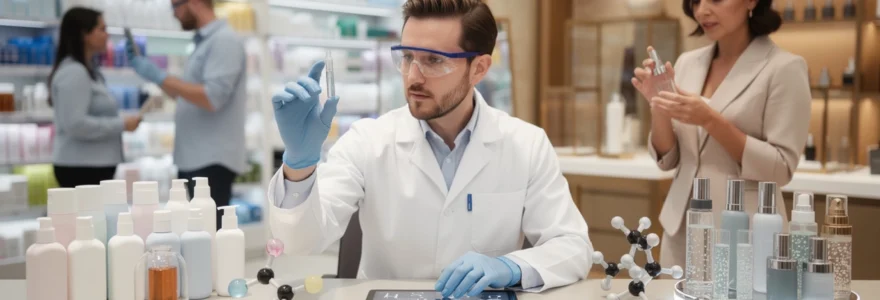
The beauty industry presents consumers with an overwhelming array of choices, from £3 drugstore moisturisers to £300 luxury serums claiming similar benefits. This pricing disparity raises fundamental questions about value, efficacy, and the science behind cosmetic formulations. Understanding the genuine differences between budget and premium products requires examining manufacturing processes, ingredient quality, clinical research investments, and consumer psychology factors that influence purchasing decisions.
The cosmetics market operates across multiple price tiers, each targeting specific consumer segments with distinct expectations and budgets. Budget-conscious shoppers gravitate towards drugstore brands, whilst luxury consumers seek prestige products that promise superior results and exclusive experiences. However, the relationship between price and performance isn’t always straightforward, as identical ingredients can appear in formulations across vastly different price points.
Recent market analysis reveals that the global premium cosmetics market reached £52.7 billion in 2023, whilst drugstore beauty products maintained steady growth at £38.2 billion. These figures suggest that consumers increasingly demand transparency about what justifies premium pricing, particularly as ingredient literacy grows and social media influencers scrutinise product formulations publicly.
Cosmetic formulation science: active ingredient concentration analysis
The foundation of any skincare product lies in its formulation science, where the concentration and quality of active ingredients determine therapeutic efficacy. Premium brands often invest significantly in developing proprietary delivery systems and utilising higher concentrations of clinically proven actives, whilst budget formulations may rely on lower percentages of similar compounds to maintain cost-effectiveness.
Professional cosmetic chemists working for luxury brands typically have access to more sophisticated laboratory equipment and longer development timelines, allowing for extensive stability testing and optimisation. This investment in research and development directly impacts the final product’s performance, though the relationship between cost and quality isn’t always linear.
Retinol stability and bioavailability in budget vs premium products
Retinol represents one of the most challenging active ingredients to formulate effectively, requiring specialised encapsulation technologies to prevent oxidation and maintain potency. Premium brands often utilise advanced microencapsulation systems that protect retinol molecules from degradation, ensuring consistent delivery to skin cells over extended periods.
Budget formulations frequently contain lower retinol concentrations and rely on basic stabilisation methods, which can result in reduced bioavailability and shorter shelf life. However, some drugstore brands have successfully developed effective retinol products by partnering with established ingredient suppliers and implementing simplified but functional delivery systems.
Clinical studies demonstrate that encapsulated retinol formulations can maintain up to 85% potency after 12 months of storage, compared to 40-60% retention in basic formulations. This stability difference directly affects product efficacy and consumer satisfaction, potentially justifying higher price points for advanced formulations.
Hyaluronic acid molecular weight distribution across price points
Hyaluronic acid’s effectiveness depends heavily on molecular weight distribution, with different sizes targeting various skin layers for optimal hydration benefits. High-end formulations typically combine multiple molecular weights, creating comprehensive hydration systems that address both surface and deeper skin needs simultaneously.
Premium brands invest in sophisticated fractionation processes to create precise molecular weight blends, whilst budget formulations often utilise single-weight hyaluronic acid sourced from cost-effective suppliers. This difference impacts penetration depth and hydration duration, though both approaches can deliver measurable moisture benefits.
Recent pharmaceutical research indicates that multi-weight hyaluronic acid formulations provide 40% longer-lasting hydration compared to single-weight alternatives. However, budget-conscious consumers can achieve significant hydration improvements with basic hyaluronic acid products when used consistently within comprehensive skincare routines.
Peptide complex integrity in mass market formulations
Peptides require careful formulation to maintain structural integrity and biological activity, presenting significant challenges for mass market manufacturers operating under strict cost constraints. Luxury brands often utilise proprietary peptide sequences developed through extensive research partnerships with pharmaceutical companies, ensuring optimal stability and efficacy profiles.
Budget formulations may incorporate established peptide complexes at lower concentrations or use less sophisticated preservation systems that can compromise peptide activity over time
over time. This can be particularly relevant for anti-ageing skincare, where peptide breakdown means the formula may feel pleasant but deliver fewer visible results. When comparing peptide-based skincare across price points, it is worth considering not just the headline ingredient list but also how recently the formula was manufactured, the brand’s storage guidelines, and whether the packaging protects the formula from heat and light exposure.
Vitamin C oxidation prevention technologies in high-end serums
Vitamin C, especially in its pure L-ascorbic acid form, is notoriously unstable and prone to oxidation when exposed to air, light, and heat. High-end serums often justify their price through sophisticated stabilisation strategies, including low-pH environments, synergistic antioxidants like vitamin E and ferulic acid, and oxygen-limiting packaging systems. These technologies help maintain potency over the product’s lifespan, which directly affects brightening and collagen-boosting results.
In contrast, many drugstore vitamin C serums use derivative forms such as sodium ascorbyl phosphate or ascorbyl glucoside, which are more stable but may convert to active vitamin C less efficiently in the skin. While these derivatives can still provide antioxidant benefits, they sometimes require higher concentrations or longer-term use to match the performance of a well-formulated L-ascorbic acid serum. The trade-off is that derivatives often offer better tolerability for sensitive skin at a lower manufacturing cost.
Stability testing has shown that poorly protected vitamin C serums can lose up to 50% of their potency within three months after opening, especially in transparent or jar packaging. Premium serums with advanced oxidation prevention technologies typically retain far higher activity over time, making each application more effective. For consumers, this means that paying more only makes sense if the formula is properly stabilised and the packaging supports that stability.
Manufacturing standards and quality control protocols
Beyond ingredient lists, the way a cosmetic is manufactured has a considerable impact on safety, consistency, and performance. Drugstore and high-end skincare are often produced in the same types of facilities, but there can be meaningful differences in quality control stringency, batch testing frequency, and supplier oversight. Understanding these manufacturing standards helps you decide whether a higher price tag reflects genuine investment in quality or simply branding.
Regulatory requirements set a minimum bar that all cosmetics must meet in major markets such as the EU, UK, and US. However, premium brands may voluntarily adopt pharmaceutical-style standards, tighter microbial limits, or more extensive stability protocols. These additional safeguards can be particularly relevant for products used around the eyes, for compromised skin, or for leave-on treatments with high water content.
Good manufacturing practice (GMP) compliance variations
Good Manufacturing Practice (GMP) guidelines ensure products are made in a controlled, repeatable way, minimising contamination and formulation errors. Large multinational companies behind many drugstore brands usually have robust GMP-compliant systems, often audited by external bodies. This means even budget cleansers or moisturisers typically benefit from consistent quality across batches, despite their lower price.
Premium and luxury skincare brands sometimes go a step further, adopting ISO 22716 cosmetics GMP standards or even pharmaceutical-grade manufacturing where processes are highly documented and validated. This can involve stricter environmental monitoring, validated cleaning procedures, and more detailed traceability of every component used in production. While this level of rigour raises costs, it also reduces the risk of variability that might lead to irritation or inconsistent performance.
For you as a consumer, the most practical step is to look for indications of GMP or ISO compliance on brand websites or packaging. If a product is marketed for sensitive, post-procedure, or acne-prone skin, higher manufacturing standards can be more than just a marketing line – they may genuinely reduce the risk of flare-ups and contamination.
Third-party laboratory testing requirements by brand tier
Independent laboratory testing is another area where price differences can reflect real scientific investment. Some high-end brands commission third-party labs to verify claims around non-comedogenicity, hypoallergenicity, or wrinkle reduction, often under dermatologist supervision. These tests may include instrumental measurements such as corneometry for hydration, profilometry for wrinkle depth, or TEWL (transepidermal water loss) for barrier function.
Drugstore brands also conduct testing, particularly for safety and stability, but they may rely more on in-house data for performance claims due to budget constraints. Where third-party testing is used, it might involve smaller sample sizes or shorter study durations than prestige competitors. That said, several mass-market brands owned by major corporations publish robust clinical data that rival or exceed niche luxury houses.
When you see specific, quantified claims such as “improves fine lines by 25% after 8 weeks” along with a mention of an independent lab, that usually signals a higher investment in evidence. Vague language like “skin looks renewed” with no supporting data is more likely to be pure marketing, regardless of whether the product sits on a drugstore shelf or behind a department store counter.
Sterility assurance levels in production facilities
Most cosmetic products are not sterile in the pharmaceutical sense, but they must meet strict microbiological limits to remain safe throughout their shelf life. Water-based formulations, especially those in jars or wide-mouth containers, are most at risk of contamination. Premium brands sometimes manufacture these categories in controlled environments with enhanced filtration, air quality standards, and stricter microbial testing.
Drugstore products rely heavily on preservative systems and packaging design to maintain safe microbial levels without the cost of near-sterile environments. Modern preservatives are highly effective when used correctly, and many high-volume factories have sophisticated in-line monitoring to catch issues early. However, intense cost pressures can mean less frequent batch testing or reduced environmental monitoring compared to niche luxury facilities.
For consumers, the safest approach is to pay attention to packaging and usage habits rather than obsessing over invisible sterility levels. Airless pumps and tubes generally offer better contamination control than open jars, especially for products used daily on the face. If you have very reactive or compromised skin, formulas from brands that emphasise “microbiome-friendly” or “minimal preservative” strategies produced in high-control environments may be worth a slight price premium.
Raw material sourcing and purity specifications
The origin and purity of raw materials are major cost drivers that often separate drugstore from luxury skincare. Basic cosmetic-grade ingredients meet standard purity and contaminant limits, which are usually safe for the general population. High-end brands may specify tighter impurity thresholds, trace-metal limits, or certifications such as ECOCERT, COSMOS, or organic status, especially for botanical extracts and oils.
These stricter specifications can reduce the likelihood of trace allergens, pesticide residues, or inconsistent performance between batches. For instance, a luxury brand might insist on a specific grade of niacinamide with limited residual solvents and defined particle size, whereas a mass-market brand may accept broader tolerance ranges. Both will list “niacinamide” on the label, but the behind-the-scenes quality control can differ significantly.
If you are prone to contact dermatitis, rosacea, or eczema, raw material quality and purity may matter more than whether a product is classed as drugstore or high-end. Brands that openly discuss their sourcing standards, sustainable supply chains, and contaminant testing often provide better assurance – and this transparency is increasingly common across all price tiers as ingredient-savvy consumers demand more detail.
Packaging technology and product preservation systems
Packaging is more than an aesthetic choice; it plays a central role in preserving active ingredients and ensuring a product remains safe throughout its use. Luxury skincare often showcases heavy glass bottles, metal caps, and intricate designs, but the real performance differences lie in features like airless pumps, UV-protective materials, and controlled-dose applicators. These technologies can prolong the life of unstable ingredients such as retinol and vitamin C, which in turn enhances long-term efficacy.
Many drugstore products still use basic jars and squeeze tubes, particularly for moisturisers and masks, because these formats are inexpensive and familiar. However, this can expose formulations to air and repeated fingertip contact, which accelerates degradation and increases contamination risks. To compensate, formulators may add more robust preservative systems or avoid highly unstable actives altogether, which can subtly limit potency.
We can think of packaging as the “home” your skincare lives in: a well-insulated, secure house keeps the contents safer for longer than a thin, drafty one. Airless pumps, one-way valve tubes, and opaque materials are like double glazing and solid doors, keeping oxygen and light out. If you are investing in a powerful serum, especially at a higher price point, packaging that protects the formula is often more important than a luxury-feel jar or decorative lid.
Brand case studies: drugstore vs luxury performance metrics
Comparing brands head-to-head helps clarify where high-end skincare truly outperforms and where drugstore options deliver comparable, or even superior, results. Below, we examine several well-known pairs that frequently appear in dermatology discussions and consumer forums. By focusing on specific actives and delivery systems, you can better understand when price reflects formulation science rather than pure prestige.
Cerave vs la mer: ceramide delivery system comparison
CeraVe, a widely available drugstore brand, built its reputation on ceramide-rich formulas developed with dermatologists. Its products feature a multivesicular emulsion (MVE) technology that slowly releases ceramides, cholesterol, and fatty acids into the skin over time. This delivery system supports barrier repair in conditions like eczema and dry skin without a luxury price tag, making it a staple recommendation in many dermatology clinics.
La Mer, positioned firmly in the luxury tier, incorporates ceramides alongside its proprietary “Miracle Broth,” an algae-based ferment claimed to support skin renewal. While the sensorial experience, fragrance profile, and packaging are far more opulent than CeraVe, ceramide content and barrier repair focus are conceptually similar. Independent dermatologists often point out that for straightforward barrier support, a simple ceramide moisturiser like CeraVe offers excellent value.
Clinical literature on barrier repair tends to highlight the importance of correct ceramide ratios and supportive lipids more than the presence of luxury ferments or fragrances. For consumers with dry, sensitive, or impaired skin, the measurable benefit of a drugstore ceramide cream can rival or surpass that of a premium moisturiser, particularly if fragrance or essential oils in luxury formulas risk irritation. In this case, price often reflects experiential elements rather than dramatically different barrier science.
The ordinary vs skinceuticals: vitamin C serum efficacy analysis
The Ordinary disrupted the market by offering high-concentration vitamin C serums at extremely low prices, listing actives and percentages transparently. Their L-ascorbic acid suspensions and solutions often match or exceed the 15–20% concentration seen in prestige products, appealing to ingredient-conscious consumers who value straightforward formulations. However, some of these formulas can feel gritty, sting on application, or have less elegant textures, which affects user experience and long-term adherence.
Skinceuticals, by contrast, built its reputation on patented combinations such as CE Ferulic, which pairs 15% L-ascorbic acid with vitamin E and ferulic acid at a specific pH. Multiple peer-reviewed studies have documented its antioxidant protection and collagen-stimulating effects, especially under UV exposure. This substantial clinical evidence, along with robust stability data and dermatologist endorsements, contributes to the significantly higher price.
When comparing real-world results, both brands can improve radiance and uneven tone, but the consistency of outcomes often favours the more rigorously tested Skinceuticals serum. That said, if your skin tolerates stronger formulas well and you are comfortable experimenting, The Ordinary may provide similar antioxidant benefits at a fraction of the cost. Here, the price difference largely reflects texture optimisation, patent-backed research, and long-term stability rather than raw ingredient cost alone.
Olay regenerist vs estée lauder advanced night repair clinical results
Olay Regenerist is a benchmark drugstore anti-ageing range, featuring niacinamide, peptides, and humectants in well-balanced emulsions. Procter & Gamble, Olay’s parent company, invests heavily in dermatological research and often publishes data showing improvements in fine lines, texture, and firmness comparable to or exceeding some prestige competitors. This has led many dermatologists to recommend Olay as a high-value option for evidence-backed anti-ageing skincare.
Estée Lauder Advanced Night Repair (ANR) occupies a premium position, focusing on chronobiology (the skin’s night-time repair cycle) and ferment-based technologies. ANR contains a cocktail of peptides, hyaluronic acid, and proprietary ferments designed to support barrier recovery and address multiple signs of ageing. The serum’s lightweight texture, signature scent, and glass dropper bottle contribute to a distinctive luxury ritual that many users find compelling.
Head-to-head comparisons, including independent consumer tests, often show both products delivering noticeable improvements in skin smoothness and hydration over 4–8 weeks. For some users, ANR’s sensorial profile and brand prestige justify the higher cost; for others, Olay Regenerist provides equivalent visible gains at a more accessible price. In this case, the “best” choice depends heavily on your budget, texture preferences, and how much you value the emotional experience of using a luxury serum.
Dermatological research and clinical trial investment
Behind every successful skincare range lies varying levels of dermatological research and clinical testing. Large corporations with both drugstore and prestige portfolios—such as L’Oréal, Estée Lauder Companies, and Procter & Gamble—often run centralised research programmes that inform products across all price points. This means that some budget products quietly benefit from the same scientific insights as high-end lines, even if they do not carry the same level of marketing or packaging.
High-end brands are more likely to fund extensive clinical trials with larger participant numbers, longer durations, and more sophisticated measurement tools. These studies can cost hundreds of thousands of pounds, and the expense is partly recouped through higher retail prices. As a result, when you buy a premium anti-ageing cream with published clinical data, you are often paying for the reassurance that its claims are backed by more than subjective consumer perception.
Drugstore brands, under greater cost constraints, may rely on smaller-scale in-house tests or extrapolate from existing ingredient literature rather than sponsoring large new trials. This does not necessarily mean their products are ineffective; it simply means the burden of “testing” sometimes shifts to the consumer market, where feedback and reviews act as informal performance data. From a practical perspective, reading independent dermatology resources and meta-analyses on ingredients (retinoids, niacinamide, AHAs) can help you identify whether a cheaper formula uses actives with strong evidence, even if the exact product has not been clinically trialled.
When you are deciding whether to pay more for a high-end serum or cream, it can help to ask: does this brand share specific research details, such as study length, participant numbers, and measured outcomes? Transparent data suggests that the price is more aligned with research investment rather than purely with branding, which is especially relevant for targeted concerns like hyperpigmentation or advanced photoageing.
Consumer psychology and price perception bias in skincare
Finally, our perception of what “works” in skincare is heavily influenced by psychology. Numerous studies in behavioural economics show that people often rate an identical product as more effective when they believe it is more expensive. This price-perception bias is powerful in beauty, where results can be subtle and take weeks to emerge, making it easy for branding and packaging to colour our judgement.
Luxury skincare leverages this effect through storytelling, sophisticated in-store experiences, and aspirational imagery. The ritual of opening a heavy glass jar, inhaling a carefully designed fragrance, and seeing a prestigious logo can make you feel as though you are doing something special for your skin. That feeling increases satisfaction and can even make you more consistent with your routine—which, paradoxically, can lead to better real-world results, regardless of whether the formula is intrinsically superior.
Drugstore skincare, by contrast, trades on accessibility and practicality. When a £15 moisturiser delivers visible benefits, the sense of having found a “bargain that works” can be just as rewarding. However, because these products lack the same aura of luxury, some users may unconsciously underestimate their effectiveness. Being aware of these psychological dynamics helps you evaluate skincare more rationally, focusing on ingredients, evidence, and your own skin’s response rather than just price tags.
In practice, the smartest approach blends both worlds: using clinical knowledge to identify where a premium formula truly adds value, and where a well-formulated drugstore product will deliver comparable results. By questioning whether a higher price reflects tested innovation, protective packaging, and superior manufacturing—or simply clever marketing—you can build a skincare routine that respects both your skin and your budget.