# Derma Roller at Home: Benefits, Precautions and Visible Results
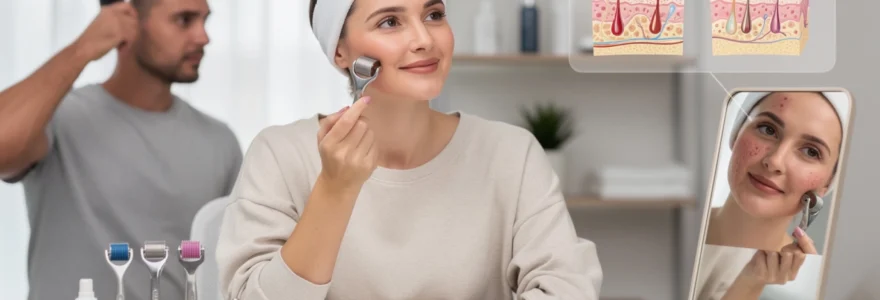
Microneedling has transformed from an exclusive clinical procedure into an accessible at-home skincare treatment, empowering individuals to address multiple skin concerns without the expense of professional sessions. The derma roller, with its cylindrical drum studded with hundreds of fine medical-grade needles, creates controlled micro-injuries that trigger your skin’s natural healing cascade. This regenerative process stimulates collagen synthesis, increases cellular turnover, and enhances product absorption—all fundamental mechanisms for achieving smoother, firmer, and more youthful-looking skin. Yet despite its growing popularity, many people approach at-home microneedling with uncertainty about technique, safety protocols, and realistic expectations. Understanding the science behind percutaneous collagen induction, selecting appropriate needle lengths for specific concerns, and following evidence-based protocols can make the difference between disappointing results and genuinely transformative improvements in skin quality.
Understanding microneedling technology: how derma rollers stimulate collagen synthesis
The derma roller operates on a deceptively simple principle: controlled skin injury stimulates repair. When you roll the device across your skin, hundreds of tiny needles create microscopic channels that penetrate the epidermis and reach the upper dermis. Your body interprets these micro-wounds as damage requiring immediate attention, initiating a three-phase wound healing response. During the inflammatory phase, your skin releases growth factors and cytokines that recruit fibroblasts—the cells responsible for collagen production. The proliferation phase follows, during which fibroblasts synthesize new collagen and elastin fibres to rebuild the dermal matrix. Finally, the remodelling phase organizes these proteins into structured networks that strengthen and thicken your skin over several months.
This biological response explains why microneedling delivers cumulative improvements rather than instant results. Each treatment session adds another layer of collagen to your dermal architecture, gradually addressing concerns like acne scars, fine lines, and uneven texture. The process differs fundamentally from ablative treatments that remove skin layers; instead, it preserves the epidermis whilst stimulating dermal regeneration from beneath. Think of it as renovating a building’s foundation whilst keeping the exterior intact—you strengthen the structure without creating visible damage that requires extended healing time.
Needle length specifications: 0.25mm to 1.5mm depth selection
Selecting the appropriate needle length represents perhaps the most critical decision in your microneedling protocol. Derma rollers typically range from 0.25mm to 2.0mm, though lengths beyond 1.5mm generally require professional supervision due to increased bleeding risk and deeper dermal penetration. For at-home use, understanding which concerns correlate with specific needle depths ensures both safety and efficacy. Shorter needles around 0.25mm to 0.5mm primarily enhance product absorption without triggering significant collagen induction, making them ideal for improving serum penetration and maintaining skin health between deeper treatments.
Mid-range needles measuring 0.5mm to 1.0mm penetrate sufficiently to stimulate collagen production whilst remaining appropriate for home use on most skin types. These lengths effectively address superficial concerns including fine lines, mild hyperpigmentation, enlarged pores, and early photoageing. The 1.0mm to 1.5mm range delivers more aggressive collagen induction suitable for moderate acne scarring, deeper wrinkles, and significant textural irregularities. However, these longer needles require meticulous sterile technique and may produce pinpoint bleeding—manageable at home if you follow proper protocols but approaching the threshold where professional treatment becomes advisable.
Percutaneous collagen induction (PCI) mechanism
Percutaneous collagen induction describes the technical process underlying derma roller therapy. The term “percutaneous” refers to penetration through the skin, whilst “collagen induction” specifies the biological objective. When needles create channels through the stratum corneum and viable epidermis into the papillary dermis, they disrupt the dermal-epidermal junction where basal keratinocytes reside. This disruption triggers the release of epidermal growth factor (EGF), transforming growth factor-beta
-beta (TGF-β), platelet-derived growth factor (PDGF), and other signalling molecules that orchestrate wound repair.
These mediators recruit and activate fibroblasts, which begin laying down fresh type I and III collagen, elastin, and glycosaminoglycans. At the same time, angiogenesis—the formation of new microvessels—increases blood flow and nutrient delivery to the treated area. Over the following weeks, this newly formed tissue slowly remodels, replacing disorganised scar collagen with a more normal, basket-weave pattern. The net effect is thicker, more resilient skin with improved texture and elasticity, even though the epidermal barrier remains largely intact.
Titanium versus stainless steel needle composition
Most consumer derma rollers use either medical-grade stainless steel or titanium needles, and the choice between them can influence both longevity and comfort. Stainless steel needles are typically sharper out of the box and provide a very clean, precise puncture, which many users find slightly more comfortable. However, they can dull more quickly and may be more prone to bending if mishandled, especially at longer needle lengths above 0.75mm. This makes careful inspection before each use essential to avoid micro-tearing from damaged needles.
Titanium needles, by contrast, are harder and more resistant to corrosion, allowing the device to maintain sharpness over more sessions when properly sanitised. This durability is particularly helpful if you plan to incorporate at-home microneedling into a long-term routine for acne scars or photo-ageing. The trade-off is that titanium can be marginally less sharp at first use, though most people adapt quickly and report similar levels of tolerance. Whether you choose titanium or stainless steel, prioritise devices from reputable manufacturers that use certified medical-grade materials and avoid “needle wheel” imitations that rely on stamped metal discs rather than true individual needles.
Growth factor release and fibroblast activation
One of the main reasons microneedling is so effective for skin rejuvenation is the cascade of growth factors released after treatment. Within minutes of using a derma roller at home, platelets aggregate around the micro-channels and release TGF-β, PDGF, and vascular endothelial growth factor (VEGF). These molecules act like text messages between cells, instructing fibroblasts to proliferate, synthesize new collagen, and reorganise the extracellular matrix. Studies have shown that collagen levels can increase for up to six months after a single properly performed session, which explains why results often keep improving long after visible redness has faded.
This growth factor surge also enhances the penetration of topical actives applied immediately after treatment. Serums containing hyaluronic acid, peptides, or non-irritating antioxidants can leverage these micro-channels to reach deeper skin layers, amplifying their benefits. However, because the skin is temporarily more permeable, harsh actives such as strong retinoids, acids, or fragrances can trigger irritation or dermatitis if applied too soon. When you understand that fibroblasts are already “working overtime” after microneedling, it becomes clear why gentle, supportive care yields better long-term collagen synthesis than overloading the skin with aggressive products.
Clinical applications: targeted skin concerns addressed by at-home derma rolling
Once you grasp how a derma roller stimulates collagen and boosts product absorption, the next question is obvious: which concerns can you realistically treat at home? While professional microneedling still offers deeper, faster results for severe conditions, consistent at-home use with appropriate needle lengths can meaningfully improve several common issues. These include atrophic acne scars, hyperpigmentation, fine lines and photo-ageing, and even certain forms of hair loss when used on the scalp. The key is to match your expectations and technique to the biology of each problem rather than expecting a single session to act like a filter in real life.
Atrophic acne scar remodelling and texture refinement
Atrophic acne scars—those shallow depressions and pitted marks left by inflammatory breakouts—are among the most researched indications for microneedling. Because these scars result from localised collagen loss, stimulating new collagen through percutaneous injury is a logical approach. Clinical studies have reported noticeable improvement in scar depth and overall facial texture after three to six microneedling sessions spaced four weeks apart. At home, you will typically work with needle lengths between 0.5mm and 1.0mm on the face, building up slowly from shorter needles as your skin adapts.
For best results, limit treatment to fully healed areas and never roll over active, inflamed acne, as this can spread bacteria and worsen scarring. Think of it as renovating old damage, not poking at ongoing fires. Using a hydrating, non-comedogenic serum rich in hyaluronic acid or peptides after rolling can further support dermal remodelling without clogging pores. Over several months, many users observe softer edges around boxcar or rolling scars, a more even light reflection across the cheeks, and a general smoothing of “orange peel” texture.
Hyperpigmentation and melasma treatment protocols
Hyperpigmentation, including post-inflammatory dark marks and certain patterns of melasma, can also respond well to carefully planned at-home microneedling. The micro-channels created by a 0.25mm to 0.5mm derma roller enhance penetration of brightening agents such as azelaic acid, niacinamide, or tranexamic-acid-based serums, allowing lower concentrations to work more effectively. Additionally, low-grade controlled injury can help “reset” irregular melanin distribution as the epidermis renews itself. However, because melasma is notoriously sensitive to heat, trauma, and UV exposure, a conservative protocol is essential.
If you are prone to pigment issues, opt for shorter needles and less frequent sessions—perhaps every two to three weeks—while maintaining rigorous sun protection with a broad-spectrum SPF 30 or higher every day. Combine this with antioxidant support and barrier-strengthening moisturisers to reduce the risk of post-inflammatory hyperpigmentation. And if you notice your patches becoming darker or more reactive after treatment, it’s a sign to pause derma rolling and consult a dermatologist rather than pushing through in hopes of faster results.
Fine lines, rhytides, and photo-ageing correction
Microneedling’s reputation as a non-ablative “skin gym” for fine lines and wrinkles is well deserved. As collagen and elastin degrade with age and sun exposure, skin loses its spring and begins to crease in areas of repeated movement, such as around the eyes, mouth, and forehead. Regular use of a 0.5mm to 1.0mm derma roller at home can gradually thicken the dermis and improve elasticity, softening the appearance of crow’s feet, superficial forehead lines, and crepey skin on the cheeks. Several small clinical trials have documented improvements in wrinkle depth and overall firmness after three to six sessions, particularly when combined with supportive topicals.
You can think of each session as a “deposit” into your skin’s collagen bank, helping to offset the natural “withdrawals” of ageing and UV exposure. Pairing microneedling with gentle, non-irritating vitamin C derivatives or peptide serums can further enhance anti-ageing benefits by supporting collagen cross-linking and antioxidant defence. Just as with exercise, consistency matters more than intensity; over-rolling with long needles will not make wrinkles vanish overnight, but a disciplined routine over months can noticeably refresh photo-aged skin.
Hair loss treatment: androgenetic alopecia management
Beyond the face, derma rollers have gained attention for their role in managing androgenetic alopecia—the most common form of pattern hair loss. When used on the scalp with needles between 0.5mm and 1.0mm, microneedling creates controlled micro-injuries that increase blood flow and release growth factors around hair follicles. Research has shown that combining weekly microneedling with topical minoxidil can outperform minoxidil alone, likely because the micro-channels improve drug penetration and directly stimulate follicular stem cells. Many users report early signs of success as a reduction in shedding, followed by the appearance of fine “baby hairs” along thinning areas after several months.
However, scalp microneedling requires extra attention to hygiene and technique since hair can trap sebum and microorganisms. Always start with a thoroughly cleansed, dry scalp and avoid rolling over active seborrhoeic dermatitis, infections, or open wounds. If you are on a comprehensive hair loss plan that includes prescription treatments, coordinate your derma roller schedule with your dermatologist to ensure the timing and needle length support rather than irritate your scalp. As with skin, microneedling is not a stand-alone cure for hair loss but a valuable adjunct tool when used consistently and safely.
Pre-treatment preparation: skin sterilisation and device sanitisation protocols
Effective at-home microneedling starts long before the first needle touches your skin. Because you are deliberately breaching the epidermal barrier, minimising bacterial load on both the skin and the device is non-negotiable. Begin by cleansing the treatment area with a gentle, pH-balanced cleanser to remove makeup, sunscreen, and surface debris. If you plan to use a needle length of 0.5mm or greater, many experts recommend wiping the cleansed skin with 70% isopropyl alcohol on a cotton pad, allowing it to fully evaporate before proceeding. This extra step reduces the risk of introducing microorganisms into the micro-channels you are about to create.
Your derma roller itself must also be disinfected before and after every session. Submerge the head in 70% isopropyl alcohol for around 10–15 minutes, ensuring that all needles are fully covered, then place it on a clean tissue or sterile surface to air dry. Avoid touching the needles with your fingers or wiping them with cloths, which can introduce lint or bend the tips. If you use numbing cream for longer needles, apply it only after the skin has been disinfected, follow the manufacturer’s timing instructions, and carefully remove all residue before you begin rolling. Building a consistent pre-treatment ritual may feel meticulous at first, but it quickly becomes second nature and dramatically reduces the risk of infection.
Step-by-step technique: professional microneedling application at home
Once your skin and device are properly prepared, the way you roll has a major impact on both results and safety. A controlled, methodical technique mimics in-clinic microneedling far better than hurried, random passes. It helps to mentally divide your face or scalp into zones—such as forehead, cheeks, nose, chin, or specific thinning patches on the scalp—and treat each section in turn. Limiting total active rolling time to around five minutes for beginners (and rarely more than 10 minutes, even for experienced users) prevents overworking the tissue and allows you to stay focused on pressure, direction, and comfort signals from your skin.
Directional rolling patterns: horizontal, vertical, and diagonal passes
The goal of your rolling pattern is to create an even grid of micro-channels rather than repeatedly scraping the same track. For most treatment areas, this means performing several passes in one direction, lifting the roller completely off the skin after each stroke, then repeating in the perpendicular direction. For example, you might roll horizontally across the forehead four to six times, slightly shifting the roller after each pass to cover the full area, then repeat the same pattern vertically. Some users also add light diagonal passes, but this is optional and should be done with care to avoid overlapping too aggressively in the centre of each zone.
Lifting the roller between strokes is critical because it prevents the needles from dragging, which can create “tram track” marks—tiny linear scratches that are more likely when rolling back and forth without resetting. Imagine using a stamp versus a rake: you want a series of precise, vertical imprints, not long gouges. Maintain a steady hand and allow the roller to glide without forcing it; if you feel it catching or skipping, reassess your angle and pressure. Over time, your pattern will become almost meditative, and you’ll notice that fewer, more deliberate passes often achieve better collagen induction than frantic rolling in all directions.
Pressure control and optimal rolling speed
How hard should you press a derma roller at home? Enough to feel a mild prickling and see transient redness, but not so much that you cause deep pain, tearing, or excessive bleeding. With shorter needles like 0.25mm, you can use slightly firmer pressure since they do not reach the deeper dermis; for 0.5mm to 1.0mm needles, a light to moderate touch is usually sufficient. If you see uniform pinkness after a few passes and only minimal pinpoint bleeding (with longer needles), you are likely in the right range. Pain that feels sharp or intolerable is a sign to reduce pressure or stop altogether, especially if you are not using topical anaesthetic.
Speed also matters. Rolling too quickly can lead to uneven coverage and loss of control, while moving too slowly may tempt you to go over the same spot repeatedly. Aim for a smooth, deliberate tempo—similar to painting a wall with a small roller. Allow the device to do the work rather than driving it into the skin. If you find your hand tensing up, pause, reassess your grip, and perhaps shorten the session. Remember, microneedling is a marathon of cumulative sessions, not a sprint; respecting your skin’s tolerance today supports better collagen synthesis and barrier function in the weeks ahead.
Treatment zones: face mapping and delicate area considerations
Not all areas of the face and body can tolerate the same intensity of microneedling. Thicker, more resilient regions such as the forehead, cheeks, and scalp generally cope well with 0.5mm to 1.0mm needles when used correctly. In contrast, delicate zones like the under-eye area, eyelids, and lips demand extreme caution. Most at-home protocols advise avoiding the mobile eyelid and staying at least 2–3mm away from the lash line to protect the thin periocular skin and underlying structures. If you choose to treat crow’s feet or the tear trough area, opt for shorter needles (around 0.25mm–0.5mm) and reduced frequency.
On the body, areas like the abdomen, thighs, and buttocks may be treated with longer needles for stretch marks or scars, but anything above 1.5mm should be reserved for professional settings due to higher risks of bruising and infection. For hair loss treatment, confine rolling to the scalp and avoid the hairline skin close to the eyes and ears. Mapping your treatment zones in advance—perhaps even marking boundaries very lightly with a cosmetic pencil—helps you stay within safe limits. When in doubt, favour conservative needle lengths and spacing; you can always intensify under professional guidance if your skin responds well.
Post-procedure recovery: managing erythema and transepidermal water loss
Immediately after a derma roller session at home, it is normal for the treated area to appear pink to moderately red, similar to a mild sunburn. This erythema typically resolves within a few hours to 48 hours, depending on needle length and individual sensitivity. During this window, your skin barrier is temporarily more permeable, and transepidermal water loss (TEWL) can increase. Supporting the barrier with soothing, hydrating products is therefore essential. Look for fragrance-free formulations containing hyaluronic acid, panthenol, ceramides, or centella asiatica, and avoid occlusive makeup, heavy oils, or comedogenic ingredients until the redness subsides.
Just as importantly, press pause on potentially irritating actives for several days post-treatment. This includes high-strength retinoids, alpha and beta hydroxy acids, benzoyl peroxide, and potent vitamin C formulas with low pH. Think of your skin as a newly renovated surface; you wouldn’t immediately hammer nails into fresh plaster. Gentle cleansing with lukewarm water, a bland moisturiser, and broad-spectrum sunscreen during the day will usually suffice. Avoid intense workouts, saunas, and unprotected sun exposure for at least 24–48 hours, as heat and sweat can exacerbate irritation. If you experience prolonged redness, swelling, or signs of infection such as pus or spreading warmth, discontinue microneedling and seek medical advice.
Contraindications and safety protocols: medical conditions requiring caution
Although at-home derma rolling can be safe for many people when performed correctly, certain medical conditions and skin states significantly raise the risk of complications. Before starting, it is worth asking yourself: is my skin intact, and is my overall health compatible with controlled wounding? If the answer is anything less than a confident yes, a consultation with a dermatologist is wise. Recognising when not to microneedle is just as important as mastering the technique itself, particularly if you have a history of inflammatory skin disease, impaired healing, or abnormal scar formation.
Active acne, rosacea, and inflammatory dermatoses
Using a derma roller over active acne lesions, papules, or pustules is strongly discouraged. Each micro-injury can push bacteria and inflammatory debris deeper into the dermis and spread them laterally, potentially converting a few localised breakouts into a more widespread flare or even cellulitis. Similarly, inflammatory conditions such as rosacea, eczema, and psoriasis often feature a compromised barrier and hyper-reactive immune response. Introducing hundreds of needle punctures into already inflamed skin can amplify redness, burning, and swelling and may trigger new lesions.
If you live with one of these conditions but are interested in microneedling for scars or texture, your safest route is to work with a dermatologist who can stabilise the disease first and then supervise any procedures. As a general rule, only roll over fully healed, non-inflamed skin and skip sessions if you notice an active flare, rash, or unexplained sensitivity. It is better to delay treatment by a few weeks than to risk converting a manageable concern into a chronic inflammatory cycle.
Blood thinning medications and clotting disorders
Microneedling relies on micro-injuries that sometimes lead to pinpoint bleeding, particularly at longer needle lengths. For most healthy individuals, this minor bleeding is self-limited and part of the normal healing cascade. However, if you take anticoagulant or antiplatelet medications—such as warfarin, heparin, high-dose aspirin, or certain novel oral anticoagulants—or if you have a diagnosed clotting disorder, even small punctures can bleed more than expected. This not only increases mess and discomfort but can elevate the risk of bruising and infection.
Anyone on prescription blood thinners should speak with their prescribing doctor before using a derma roller at home, especially with needles above 0.5mm. In many cases, professional microneedling performed under medical supervision will be safer, or the procedure may be discouraged altogether. Even if you are not on medication, but bruise very easily or have a history of poor wound healing, it is sensible to start with the shortest needle length and monitor your response closely before committing to deeper treatments.
Keloid scarring predisposition and wound healing complications
Keloids and hypertrophic scars arise when the body overproduces collagen in response to injury, forming raised, often itchy or painful growths that extend beyond the original wound boundary. If you have a personal or strong family history of keloid formation—particularly on the chest, shoulders, or jawline—microneedling may carry a higher risk of triggering similar overactive scarring. While most at-home derma roller injuries are tiny and diffuse, the principle remains: in someone predisposed to abnormal wound repair, even small traumas can sometimes provoke exaggerated responses.
Because of this, many dermatologists advise people with known keloid tendencies to avoid elective microneedling altogether or to restrict it to carefully selected areas under professional supervision. Likewise, conditions that impair normal healing, such as uncontrolled diabetes, severe nutritional deficiencies, or chronic corticosteroid use, can slow recovery and increase infection risk. If any of these apply to you, prioritise medical clearance before adding microneedling to your skincare routine, and be prepared for a more conservative protocol if it is approved.
Evidence-based results: clinical studies on home microneedling efficacy
The growing popularity of derma rollers has been matched by an expanding body of research examining microneedling’s effectiveness for various concerns. While many early studies focused on in-clinic treatments, newer data suggest that appropriately performed at-home microneedling can also yield meaningful improvements. For example, several trials have shown that combining microneedling with topical agents—such as minoxidil for hair loss or depigmenting creams for melasma—produces superior outcomes compared with topicals alone. In one commonly cited study on androgenetic alopecia, participants who received weekly microneedling alongside minoxidil experienced significantly greater hair count increases than those using minoxidil without needling.
Similarly, research into acne scar remodelling has documented reductions in scar severity scores after serial microneedling sessions, with histological analysis confirming increased collagen and more organised dermal architecture. While most of these protocols used professional devices, the underlying mechanism—percutaneous collagen induction—remains the same for home devices at conservative depths. The main differences lie in needle length, session spacing, and sterility controls. When you adopt a disciplined approach at home, respecting recommended frequencies (for example, every 10–14 days for 1.0mm needles and no more than once a week for 0.5mm), you are working with the same biological pathways validated in clinical settings.
It is important, however, to keep expectations realistic. At-home derma rolling is unlikely to completely erase deep wrinkles, severe scars, or long-standing melasma. Instead, most users can reasonably anticipate incremental gains: softer lines, more even tone, finer pores, and smoother texture over three to six months of consistent use. Think of the evidence as supporting microneedling as a powerful “nudge” to your skin’s natural repair system, rather than a magic eraser. Combining it with sun protection, a balanced skincare regimen, and, where needed, professional treatments typically delivers the best visible results.
Product recommendations: FDA-cleared and dermatologist-endorsed derma roller devices
Choosing the right derma roller device is just as crucial as mastering your technique. Whenever possible, opt for tools that are FDA-cleared or compliant with recognised safety standards in your region and are endorsed by dermatology professionals. These devices usually feature individual, medical-grade needles (rather than stamped metal wheels), sturdy construction, and clear instructions regarding needle length, replacement intervals, and cleaning protocols. As a general guideline, rollers with 0.25mm to 0.5mm needles are ideal for beginners focused on product absorption and mild rejuvenation, while more experienced users treating scars or advanced photo-ageing may consider up to 1.0mm at home, always with strict sterilisation.
Pay close attention to needle density as well. Devices with around 180–200 true needles often provide a good balance between coverage and comfort, whereas ultra-dense heads with several hundred points can sometimes overlap too aggressively, increasing irritation when used by non-professionals. Replace your roller after 10–15 uses or sooner if you notice any bent, dull, or rusted needles; continuing to roll with compromised tips is one of the fastest ways to cause unnecessary trauma. Finally, be wary of deals that seem too good to be true. Extremely inexpensive devices from unverified sellers may lack quality control, increasing your exposure to metal impurities, inconsistent needle lengths, or poorly aligned heads—all of which undermine the safety and benefits of microneedling at home.