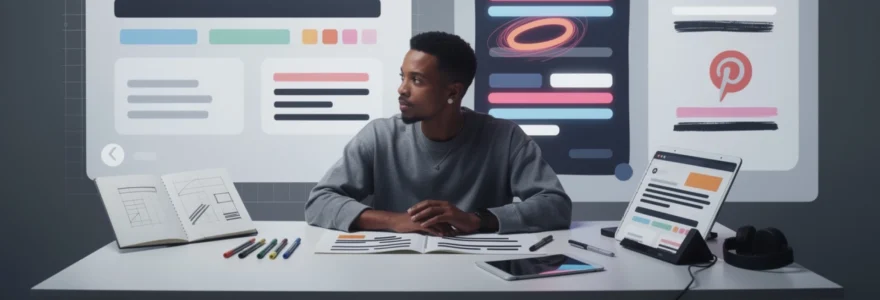
Typography has evolved dramatically in recent years, with designers increasingly seeking ways to make text stand out in our visually saturated digital landscape. Among the most compelling trends emerging is bold underlining—a technique that transforms ordinary text into eye-catching focal points through enhanced visual weight and strategic emphasis. This typographic detail has gained significant traction across web design, social media content, and brand identity applications, offering designers a powerful tool to guide attention and create visual hierarchy. The appeal of bold underlining lies in its ability to maintain readability whilst adding dramatic flair, making it particularly valuable for digital platforms where capturing user attention is paramount. Rather than relying solely on font weight or colour variations, bold underlining provides an additional layer of visual interest that works seamlessly across various design contexts.
Understanding bold underlining: typography fundamentals and digital implementation
Bold underlining represents more than simply adding weight to traditional text decoration—it encompasses a comprehensive approach to typographic emphasis that combines visual impact with functional design principles. The technique involves creating underlines that are significantly thicker than conventional text decoration, often matching or exceeding the stroke width of the accompanying text. This creates a harmonious balance between the text itself and its decorative element, ensuring that neither component overwhelms the other. Successful bold underlining requires careful consideration of typeface characteristics, line spacing, and overall composition to achieve optimal visual results.
CSS Text-Decoration properties: Border-Bottom vs underline variants
Modern CSS implementations offer multiple approaches to creating bold underline effects, each with distinct advantages and limitations. The traditional text-decoration: underline property has been enhanced with new specifications that allow greater customisation of underline thickness, colour, and style. However, many designers prefer using border-bottom properties for bold underlining effects because they provide superior control over spacing, thickness, and visual appearance. The border-bottom method allows for precise positioning relative to the baseline, whilst text-decoration-thickness offers a more semantic approach that maintains the inherent meaning of underlined text for accessibility purposes.
Web typography standards: WCAG accessibility guidelines for enhanced text
Implementing bold underlining requires careful attention to accessibility standards, particularly regarding colour contrast and visual clarity. WCAG guidelines specify that decorative elements like underlines should maintain sufficient contrast ratios when used for emphasis or navigation purposes. Bold underlines can actually improve accessibility when implemented correctly, as they provide additional visual cues that support users with various visual processing needs. The key lies in ensuring that underlined text remains legible across different screen sizes, colour schemes, and assistive technologies whilst maintaining its intended visual impact.
Cross-browser compatibility: safari, chrome, and firefox rendering differences
Browser rendering inconsistencies present ongoing challenges for bold underlining implementation across different platforms and devices. Safari’s WebKit engine tends to render thick underlines with slightly different positioning compared to Chrome’s Blink engine, whilst Firefox’s Gecko engine may display varying spacing between text and underline elements. These differences become particularly pronounced with custom fonts and variable thickness implementations. Developers must test bold underlining effects across multiple browser environments and implement appropriate fallbacks to ensure consistent visual presentation regardless of the user’s chosen browser or operating system.
Mobile-first typography: responsive bold underlining techniques
Mobile devices present unique considerations for bold underlining implementation, particularly regarding touch interaction and screen density variations. Responsive design principles dictate that underline thickness should scale appropriately across different viewport sizes whilst maintaining visual prominence and readability. High-density displays require careful consideration of underline rendering to prevent pixelation or visual distortion. Additionally, mobile-first approaches must account for finger-friendly touch targets when bold underlines are used for interactive elements like links or buttons, ensuring adequate spacing and clear visual feedback for user interactions.
Platform-specific bold underlining trends across social media ecosystems
Social media platforms have become significant drivers of bold underlining trends, with each platform developing distinctive approaches that reflect their unique aesthetic preferences and user behaviour patterns. The ephemeral nature of social media content has created demand for typography that captures attention quickly and effectively, making bold underlining particularly valuable for creators seeking to enhance engagement rates and visual appeal. Platform algorithms increasingly favour content with strong visual elements, positioning
algorithms increasingly favour content with strong visual elements, positioning bold underlining as a simple yet powerful way to increase dwell time and click-throughs.
Instagram stories typography: bold underline aesthetic in influencer content
On Instagram Stories, bold underliner effects are often used to frame key phrases, CTAs, and product names, turning short-lived content into highly scannable micro-billboards. Influencers frequently combine chunky underlines with high-contrast colour palettes and animated GIF elements to draw the eye toward swipe-up links or tagged brands. Because Stories are consumed quickly and usually on mobile, bold underlining helps compress hierarchy into a single glance, guiding followers towards the most important part of the frame. We also see a rise in hand-drawn underline stickers and brush-style overlays, which add a more personal, sketchbook-like energy to otherwise polished visuals.
From a practical standpoint, creators can replicate the bold underliner trend using native Instagram text tools combined with simple shapes or third-party design apps. Story templates built in tools like Canva or Over can include reusable underline assets that maintain a consistent brand look across multiple posts. When designing bold underlined text for Instagram, it is crucial to consider how it overlays imagery, ensuring sufficient contrast and avoiding placement over busy backgrounds. Thinking of the underline as both a graphic and a readability aid helps you decide when to keep it subtle and when to push it towards a more dramatic, headline-style treatment.
Tiktok text overlay trends: chunky underlines and neon highlighting effects
TikTok’s fast-paced, vertical video format has given rise to thick, high-impact underlines that work almost like animated highlighters for key captions. Creators often time bold underlining to beats or transitions, using chunky neon bars to emphasise punchlines, hooks, or step-by-step instructions. This combination of movement, sound, and bold typographic emphasis keeps viewers engaged for longer, which is critical on a platform where watch time directly influences algorithmic reach. Bold underlining also helps anchor text overlays within dynamic footage, preventing important copy from being lost amid rapid camera movements or visual effects.
Technically, many TikTok creators build bold underliner effects using simple rectangles or shapes placed behind text rather than traditional underlines. This approach offers more control over thickness, opacity, and animation, allowing for swipe-ins, fades, or “painting” motions that feel playful and energetic. Others design their text and underline combinations in external editors, then import them as overlays to maintain consistent brand typography that TikTok’s native fonts cannot fully support. When planning bold underline styles for TikTok, you should test readability on smaller screens and in varying ambient light conditions, as many users watch with reduced brightness and no sound.
Linkedin professional branding: subtle bold underlining in corporate posts
On LinkedIn, the bold underliner trend manifests in more restrained, editorial-style treatments designed to support professional branding. Instead of neon highlights or exaggerated strokes, corporate design teams tend to favour thin but confident underlines beneath key phrases in banners, thought-leadership carousels, and slide-style posts. These underlines often align with brand guidelines, echoing logo weights or accent colours to maintain a cohesive visual language across campaigns. The result is a refined emphasis style that draws attention without undermining the platform’s business-focused tone.
Because LinkedIn’s native post editor offers limited typographic controls, many brands create bold underline assets in external tools and upload them as images or PDFs. This workflow allows for precise control over line weight, spacing, and positioning, ensuring that bold underlining remains consistent across sponsored content, employee advocacy visuals, and company page headers. For individuals building a personal brand, subtle bold underlining in custom cover images or article headers can help differentiate profiles in a crowded feed. Think of it as the digital equivalent of a well-chosen underline in a print report—visible enough to signal importance, but never shouting.
Pinterest pin design: Hand-Lettered bold underlines in DIY graphics
Pinterest, with its strong DIY and inspirational culture, has embraced bold underlining through hand-lettered and brush-style aesthetics. Many high-performing pins combine script fonts with thick, organic underlines that appear painted or drawn, reinforcing the idea of creativity and craft. These bold strokes often sit beneath keyword-rich titles such as “step-by-step guides” or “quick tutorials,” effectively turning underlines into both decorative flourishes and SEO-friendly emphasis tools. The combination of bold underliner typography and vertical pin layouts makes it easier for users to spot and remember specific content as they scroll.
Designers working on Pinterest graphics typically create bold underlines directly within tools like Canva, Procreate, or Adobe Illustrator, then export optimised images that preserve crisp edges. Using slightly textured brushes can add a tactile feel that resonates with audiences interested in hand-made projects and lifestyle inspiration. To ensure pins remain legible on smaller screens, it is wise to pair bold underlining with generous letter-spacing and simplified colour schemes that highlight one dominant accent shade. When approached strategically, bold underlining on Pinterest does more than decorate—it becomes a visual anchor that helps your content stand out in search results and themed boards.
Technical implementation methods for bold underlining effects
Beyond social media, bold underlining in web and product interfaces depends heavily on robust technical implementation. Designers and developers must collaborate to ensure that eye-catching underlines are not only visually impressive but also performant, accessible, and maintainable. From semantic HTML to advanced animation frameworks, each layer of the stack influences how bold underliner styles behave under real-world conditions. Treating bold underlining as a reusable design pattern, rather than a one-off flourish, helps teams integrate it consistently across headers, links, and key interface components.
HTML5 semantic markup: strong tags with custom CSS underline styling
At the markup level, HTML5 provides several options for indicating emphasis, with <strong> and <em> playing key roles. While it can be tempting to rely on <u> for underlining, modern best practice encourages using semantic tags combined with CSS-based bold underliner styles. For instance, you might apply <strong> to indicate importance and then style a custom class with text-decoration-thickness, text-underline-offset, and brand-specific colours. This approach ensures that assistive technologies understand the meaning of the text, while visual users experience the desired bold underline effect.
By decoupling semantics from presentation, developers can maintain cleaner, more maintainable code and adapt bold underlining quickly as brand guidelines evolve. Utility classes or component-level styles in systems like Tailwind CSS or CSS Modules make it easy to reuse underline treatments across different parts of a site. For example, a .bold-underliner class can define consistent thickness, offset, and transition effects that you can apply to buttons, navigation items, or key phrases. Thinking of bold underlining as part of a broader design system rather than a one-off style makes it easier to scale across multiple pages and products.
Svg-based underline animation: keyframe sequences and path drawing
When static bold underlines are not enough, SVG provides a flexible canvas for animated underline effects that can be synchronised with user interactions. Designers often create custom paths that trace the shape of an underline, then animate the stroke-dasharray and stroke-dashoffset properties to produce a “drawing” motion on hover or scroll. This technique allows for nuanced variations, from hand-drawn squiggles to precise geometric lines that match brand geometry. Because SVG graphics remain crisp at any resolution, they are particularly suited to high-density displays and responsive layouts.
Implementing SVG-based bold underliner animations typically involves combining CSS keyframes with inline or external SVG assets. For example, you might define a @keyframes draw-underline sequence that gradually reduces stroke-dashoffset to zero, triggered when a link enters the viewport. More advanced setups leverage intersection observers or scroll-triggered libraries to coordinate underline animations with page progress. While this approach demands more initial effort than a simple border-bottom, it enables a richer storytelling layer—think of it as upgrading from a static highlighter to a living, breathing signature beneath your key messages.
Javascript libraries: anime.js and GSAP bold underline animations
For more complex motion, JavaScript animation libraries like Anime.js and GSAP (GreenSock Animation Platform) offer granular control over bold underline behaviour. These tools can animate properties such as width, opacity, position, and even colour gradients, allowing underlines to respond dynamically to scroll, hover, or click events. You might use Anime.js to animate the expansion of an underline from left to right when a user hovers over a call-to-action, or employ GSAP timelines to choreograph multiple underline elements across a hero section. The result is a cohesive motion language in which bold underlining becomes part of the interface’s overall rhythm.
However, with great power comes the need for performance awareness and graceful degradation. Heavy-handed use of animation libraries can increase JavaScript payloads and impact loading speed, especially on lower-powered mobile devices. To strike the right balance, you can scope bold underline animations to key components only, use code-splitting to load animation scripts on demand, and prefer hardware-accelerated transforms where possible. When you treat animations like spices in a recipe—enhancing flavour without overwhelming the dish—bold underliner effects can elevate your digital typography without compromising usability.
Figma plugin integration: bold underline design systems and components
In design workflow terms, tools like Figma have become central to planning and prototyping bold underlining before any code is written. Design teams often create reusable components that combine text layers with underlay or overlay shapes, simulating border-based or SVG-style underlines within design files. Figma plugins that support design tokens, responsive type scales, and auto-layout make it easier to test how bold underliner styles adapt across breakpoints and content variations. This pre-development exploration helps prevent surprises later, such as underlines overlapping descenders or clipping within constrained containers.
By integrating bold underlining into a shared design system, teams can maintain consistent spacing, thickness, and colour across multiple projects and platforms. Components can include variants for hover, active, and disabled states, allowing stakeholders to experience the full interaction pattern during design reviews. Hand-off tools then translate these design decisions into tokenised specs—such as --underline-thickness-strong or --underline-offset-large—that developers can implement directly in code. In this way, the bold underliner trend becomes not just a stylistic flourish but a documented, measurable part of your organisation’s visual language.
Brand identity applications: bold underlining in contemporary logo design
Beyond interfaces and posts, bold underlining has also made its way into brand identity and logo design, where it often functions as a structural element rather than a mere decoration. Many contemporary wordmarks feature a strong line beneath the logotype, sometimes extending into surrounding whitespace or evolving into a framing device for sub-brands and taglines. This underline can symbolise stability, support, or emphasis, reinforcing brand messaging with a single, confident stroke. When paired with minimalist typography, a bold underliner transforms a simple name into a distinctive, ownable mark.
Designers experimenting with bold underlining in logos must consider scalability across touchpoints, from tiny favicon sizes to large-format signage. At small scales, overly complex or textured underlines may blur, so many brand systems favour clean, vector-based strokes that retain clarity. In motion branding, these underlines can animate into view, acting as a baseline that reveals the logotype or slides into place beneath key messaging. While it might seem like a small detail, a well-executed bold underline in logo design can become a recognisable signature across packaging, digital ads, and social avatars, helping brands stand out in dense visual environments.
Performance optimisation: loading speed impact of enhanced typography elements
Every enhanced typographic element, including bold underlining, carries a performance cost when implemented with additional assets, scripts, or complex styling. While a simple CSS border-bottom has negligible impact, multiple animated SVGs or JavaScript-driven underlines can add weight to a page’s critical rendering path. In a landscape where even a one-second delay can reduce conversions, it is essential to evaluate whether each bold underliner effect justifies its footprint. Treat performance as an invisible design constraint that shapes how far you push typography before users begin to feel friction.
To mitigate potential slowdowns, you can prioritise CSS-based solutions for basic bold underlining and reserve JavaScript animations for hero sections or high-value interactions. Techniques such as code-splitting, lazy loading, and deferring non-essential scripts ensure that core content appears quickly, with advanced underline effects layered in once the page is interactive. Optimising SVG assets by removing unnecessary metadata and simplifying paths further reduces download size without compromising visual quality. By monitoring metrics like First Contentful Paint (FCP) and Interaction to Next Paint (INP), you gain concrete data on how your bold underline implementations affect real-world performance, enabling informed design trade-offs.
Future typography predictions: bold underlining evolution in web3 and AR interfaces
As digital experiences expand into Web3 environments and augmented reality interfaces, bold underlining is likely to evolve from a flat, two-dimensional effect into a spatial typography tool. Imagine underlines that exist as 3D planes beneath floating text, reacting to user gaze or gesture in AR headsets. In decentralised platforms and immersive virtual worlds, typographic emphasis will need to function across varied contexts, from holographic dashboards to wearable displays. Bold underliner styles may shift towards depth, parallax, and material-based cues, behaving more like illuminated rails or light paths than simple lines.
In this future landscape, the fundamental purpose of bold underlining—guiding attention and clarifying hierarchy—will remain, even as its visual language becomes more dynamic. Designers may use animated underline trails to lead users through complex data visualisations, or responsive underline “paths” that reflow as content personalises in real time. Accessibility and performance will still matter, but they will be reframed through the lenses of spatial computing, battery life, and hardware constraints. If we see bold underlining today as a powerful highlight in 2D interfaces, tomorrow it may become a navigational beacon in the layered realities of Web3 and AR, continuing its role as the quiet but assertive guide beneath our most important words.