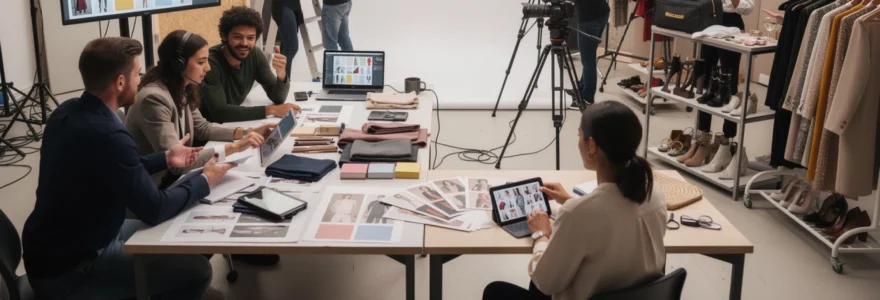
The fashion industry’s most captivating images emerge not from spontaneous moments, but from meticulous planning that begins weeks or even months before the first shutter clicks. While audiences see polished final photographs gracing magazine covers and social media feeds, the reality involves a complex orchestration of creative minds, technical expertise, and logistical precision. Every successful fashion shoot represents countless hours of preparation, where stylists, photographers, and creative directors collaborate to transform abstract concepts into stunning visual narratives.
Professional fashion photography demands far more than an attractive model and expensive camera equipment. The process requires strategic coordination across multiple disciplines, from technical lighting setups to wardrobe curation, each element carefully planned to ensure the final images align with brand objectives and creative vision. Understanding this behind-the-scenes process reveals why exceptional fashion photography commands premium rates and why experienced teams consistently deliver superior results.
Pre-production planning and creative brief development
The foundation of any successful fashion shoot begins with comprehensive pre-production planning, where creative directors and clients establish the project’s overall vision and objectives. This initial phase typically spans several weeks and involves detailed discussions about brand positioning, target audience, and desired aesthetic outcomes. Creative teams analyse market trends, competitor strategies, and brand heritage to develop concepts that resonate with specific demographics while maintaining artistic integrity.
A robust creative brief serves as the project’s blueprint, outlining everything from colour palettes and styling preferences to technical specifications and delivery requirements. Professional fashion teams understand that clarity during the briefing stage prevents costly revisions and ensures all stakeholders share aligned expectations. The brief typically includes budget parameters, timeline constraints, and usage rights, establishing clear boundaries within which the creative team can explore innovative approaches.
Mood board creation using adobe creative suite and pinterest
Contemporary mood board development combines traditional design principles with digital tools like Adobe Creative Suite and Pinterest to visualise the shoot’s aesthetic direction. Creative directors typically begin by gathering inspiration from diverse sources, including vintage fashion magazines, contemporary art exhibitions, and street style photography. These reference materials help establish colour schemes, lighting moods, and compositional approaches that will guide the entire production team.
Digital mood boards created in Adobe InDesign or Photoshop allow for precise layout control and easy sharing among team members. Professional teams often create multiple mood board versions, exploring different stylistic interpretations of the core concept. This iterative approach ensures the final aesthetic direction represents the strongest possible interpretation of the creative brief while accommodating practical production constraints.
Location scouting through production management software
Modern location scouting leverages sophisticated production management software to streamline the research and booking process. Platforms like StudioBinder and ProductionHUB enable scouting teams to catalogue potential venues with detailed technical specifications, including power availability, natural light patterns, and accessibility considerations. Professional scouts photograph locations at different times of day, documenting how changing light conditions might affect the planned shots.
The selection process involves evaluating each location against specific criteria outlined in the creative brief. Indoor studios offer controlled lighting environments and weather independence, while outdoor locations provide natural backdrops and authentic atmospheric conditions. Location choice significantly impacts budget considerations, as premium venues command higher rental fees and may require additional permits or insurance coverage.
Casting director coordination and model portfolio review
Professional casting directors maintain extensive databases of models, categorised by physical attributes, experience levels, and specialised skills. The casting process typically begins with digital submissions, where models provide recent portfolio images, measurements, and availability information. Casting directors evaluate hundreds of applications against the specific requirements outlined in the creative brief, considering factors beyond physical appearance such as movement quality and camera presence.
Selected models participate in casting sessions, where they perform test poses and interact with key team members. These sessions allow photographers and creative directors to assess how potential models interpret direction and adapt to different styling concepts. Chemistry between models and the creative team often determines final selection, as comfortable working relationships typically produce more authentic and engaging imagery.
Shot list development with photography assistants
Detailed shot lists serve as roadmaps for the photography day, ensuring efficient use of studio time and comprehensive coverage of required images. Photography assistants collaborate with lead photographers to break down the creative vision into
specific frames, angles, and compositions. They determine priority looks, must-have hero shots for campaigns, and supporting images for e‑commerce or social media. Assistants help translate these creative requirements into a logical sequence, grouping shots by outfit, lighting setup, or backdrop to minimise time-consuming changes during the shoot.
A well-structured shot list reads almost like a screenplay: it details wardrobe, model, pose direction, and technical notes for each frame. This document is shared with production managers, stylists, and digital techs so everyone understands what needs to be captured and in what order. When unexpected issues arise—such as weather changes or wardrobe malfunctions—the team uses the shot list as a flexible framework, reordering setups without losing sight of essential deliverables. In fast-paced fashion environments, this planning is what separates chaotic shoot days from efficient, creatively productive ones.
Technical equipment preparation and lighting setup
Once the creative direction is locked, attention shifts to the technical backbone of the fashion shoot: camera systems, lighting, and digital capture tools. Professional teams often schedule a dedicated pre-light or tech day, especially for complex editorial or campaign work. This phase ensures that when models arrive on set, the crew can focus on performance and storytelling rather than troubleshooting gear. For commercial clients, this preparation directly impacts consistency, image quality, and on-time delivery.
Technical preparation also mitigates risk. Backup camera bodies, duplicated lighting configurations, and redundant storage solutions are standard practice rather than luxury extras. In an industry where a single shoot day may cost tens of thousands of dollars, technical failure is simply not an option. Thorough setup, testing, and calibration give photographers the confidence to experiment creatively, knowing that their core equipment will perform reliably under pressure.
Camera body selection between canon eos r5 and nikon z9 systems
Many modern fashion photographers work with both Canon EOS R5 and Nikon Z9 systems, choosing the body that best suits the project’s technical demands. The Canon EOS R5 is prized for its 45‑megapixel resolution, colour science, and compact form factor—ideal for handheld, fast-moving fashion shoots or lookbooks. Its eye-detection autofocus and high burst rate help capture dynamic movement, making it a strong choice for lifestyle fashion photography.
The Nikon Z9, with its stacked 45.7‑megapixel sensor and blackout-free electronic viewfinder, excels in situations where reliability and speed are critical. Many teams prefer the Z9 for runway-style shoots or campaigns involving complex motion, thanks to its advanced autofocus tracking and robust build. Ultimately, camera body selection often comes down to lens ecosystem, existing studio workflow, and the specific requirements of the fashion brand. Some studios even run both systems side by side, using each where it shines most.
Profoto and broncolor strobe configuration for studio work
Studio lighting for fashion photography often revolves around high-end strobe systems like Profoto and Broncolor. These brands are trusted for their colour consistency, fast recycling times, and compatibility with a wide variety of light modifiers. For beauty-focused campaigns, teams may opt for large octabanks or beauty dishes to create flattering, soft-yet-defined light that emphasises skin texture and makeup details. For more dramatic editorial fashion shoots, grids, strip boxes, and hard reflectors shape light and shadow with cinematic precision.
Before shoot day, assistants configure lighting ratios, test flash durations for motion freezing, and confirm that power settings deliver the desired exposure at working apertures. They also ensure synchronisation with camera shutters, whether via radio triggers or hardwired connections. Because fashion shoots frequently mix continuous light with strobes—for example, combining daylight from large windows with controlled flash—teams test these setups extensively, checking for flicker issues, colour temperature shifts, and unwanted reflections on fabrics or accessories.
Lens testing for optimal focal length performance
Lens choice in fashion photography is similar to selecting the right brush for a painting: each focal length subtly alters perspective, mood, and emphasis. Prior to the shoot, photographers and assistants test lenses such as 24–70mm, 70–200mm, and prime options like 50mm or 85mm to evaluate sharpness, distortion, and bokeh characteristics. For full-length fashion lookbooks, mid-range zooms often provide the ideal balance between versatility and optical quality, allowing quick framing changes as models move.
Portrait-heavy editorial work may call for fast primes with wide apertures to create shallow depth of field and isolated subjects. However, these creative choices must be balanced against practical needs like consistent focus across multiple garments and sizes. During testing, teams also check how lenses render fabric textures, sequins, and reflective surfaces, which can behave unpredictably under strong lighting. By finalising lens selections in advance, photographers reduce indecision on set and maintain a smooth, confident shooting pace.
Tethering setup using capture one pro software
In professional fashion environments, tethered capture using Capture One Pro is standard practice. Cameras connect directly to a laptop or workstation, sending high-resolution files in real time for review by photographers, clients, and retouchers. This workflow allows immediate evaluation of focus, composition, colour, and garment details, dramatically reducing the risk of discovering issues only after the shoot has wrapped. For campaigns and e‑commerce catalogues, tethering also accelerates shot approval, as stakeholders can sign off on images on the spot.
Digital technicians configure Capture One sessions with carefully organised folders, naming conventions, and metadata templates aligned to the production brief. Custom colour profiles and style presets ensure that previews closely match the intended final look, from neutral catalogue imagery to high-contrast editorial treatments. Stable tethering requires quality cables, strain relief systems, and often powered USB or Ethernet solutions to prevent disconnections. When you see a fashion crew gathered around a calibrated monitor mid-shoot, they are usually reviewing tethered captures and making micro-adjustments that elevate the final gallery from good to exceptional.
Styling team coordination and wardrobe management
While cameras and lighting define the technical side of a fashion shoot, the styling team ensures that clothing and accessories communicate the brand story with clarity and impact. Wardrobe preparation begins well before shoot day, often involving coordination with designers, PR agencies, and showrooms to secure the right pieces in the correct sizes. Stylists create detailed outfit breakdowns, sometimes called “look cards,” which pair garments with shoes, jewellery, and props, all referenced against the creative brief and shot list.
On set, wardrobe management operates like a carefully choreographed inventory system. Garments are steamed, tagged, and organised on racks according to shooting order, with backups ready in case of fit issues or last-minute creative changes. Assistants track each item’s status—on set, in prep, or completed—helping avoid missed looks or duplicate shots. For brands managing large collections, this logistical discipline can make the difference between capturing 20 looks and 60+ in a single day.
Professional stylists also function as visual problem-solvers. They adjust hemlines to flatter proportions, pin garments for a better fit, and ensure logos or signature details are visible without feeling forced. When working with sustainable or delicate fabrics, they must balance aesthetics with garment care, using protective measures to prevent damage during quick changes. Have you ever wondered why clothes in fashion photography appear perfectly tailored, even when shot at speed? Behind every image, there is almost always a stylist smoothing creases and refining silhouettes between frames.
Hair and makeup artist briefing sessions
Hair and makeup are critical elements in fashion photography, shaping how audiences perceive the overall mood and era of a campaign. Before brushes touch a single face, makeup artists and hairstylists attend briefing sessions led by the creative director or beauty director. These meetings reference the same mood boards used in pre-production, but translate them into specific technical instructions: skin finish (dewy, matte, or velvet), eye intensity, lip colour families, and hair texture or structure.
Artists also discuss practicalities that can easily be overlooked, such as how many models will be on set, how many looks each model will wear, and how quickly changes must happen. For high-volume e‑commerce fashion shoots, beauty looks must be designed for rapid adjustment, with core features that can be dialled up or down with minimal effort. In contrast, editorial fashion shoots may allow more experimental, time-intensive looks, such as intricate braids or graphic eyeliner.
During these briefings, teams consider skin tone diversity, hair types, and potential sensitivities, ensuring inclusive and ethical practices on set. They pre-select products, test foundation matches, and create face charts or reference photos so that looks remain consistent throughout the day. A well-briefed beauty team doesn’t just execute instructions; they act as collaborators, suggesting tweaks that align with the brand while accounting for what will actually read best under the planned lighting setups. The result is a unified visual language where hair, makeup, and wardrobe all speak the same stylistic “dialect.”
Set design and backdrop installation procedures
Set design transforms a bare studio into a world that supports the fashion story, whether that world is minimal and architectural or lush and dreamlike. Set designers begin by reviewing the creative brief and mood boards, then translate them into technical drawings, material lists, and construction timelines. They must consider not only aesthetics but also practical questions: Will the backdrop support full-length movement? Is there enough depth for lighting and camera placement? Can props withstand repeated use throughout a long shooting day?
Backdrop installation ranges from simple seamless paper rolls to complex, custom-built structures. For clean, modern fashion photography, large sweeps of coloured paper or fabric create an uninterrupted horizon line, ideal for e‑commerce and lookbooks. For editorial fashion shoots, designers may construct walls, platforms, or faux architectural elements, layering textures such as concrete, wood, or foliage. Every element is tested under the planned lighting to check for unwanted reflections, colour casts, or structural instability.
Safety and workflow efficiency are paramount. Rigging crews secure heavy elements, tape down cables, and ensure pathways remain clear for models and stylists moving at speed. Because fashion shoots often involve multiple set changes, designers plan modular installations that can be rearranged quickly between looks. Think of it like a theatre production: while one scene is being performed, the next is already in partial setup backstage. This approach prevents costly downtime and keeps creative momentum high throughout the day.
Digital workflow establishment and file management systems
In the digital era, what happens after the shutter is pressed is just as important as what happens before. Robust file management systems protect the considerable investment of time, talent, and budget poured into a fashion shoot. Before production begins, digital technicians and producers define a workflow that covers file naming conventions, folder structures, backup strategies, and delivery formats. This pre-planning ensures that thousands of images captured across multiple camera bodies remain organised and easily retrievable.
Most professional fashion teams follow the “3‑2‑1” backup rule: three copies of every file, stored on at least two different types of media, with one copy kept offsite or in the cloud. During the shoot, images are ingested from memory cards or tethered capture into software like Capture One Pro or Adobe Lightroom, then backed up immediately to external drives or network-attached storage. Metadata such as model names, outfit numbers, and lighting notes are applied on import, streamlining later selection and retouching.
Efficient digital workflow also supports client communication. Low-resolution contact sheets or web galleries are generated quickly, allowing creative directors and brand teams to review selects within hours rather than days. Clear file structures—often organised by look, model, or usage (campaign, social, e‑commerce)—make it easy to locate specific images long after the shoot has finished. In a marketplace where brands repurpose visuals across multiple channels, from print to TikTok, this organisation is invaluable.
Ultimately, establishing a strong digital workflow before a fashion shoot is like laying a rail track before a high-speed train. Once the shoot is in motion, there is little time to correct course, and any gaps in planning can derail the entire project. By treating digital asset management with the same seriousness as lighting or styling, fashion teams protect their work, maintain brand consistency, and ensure that every successful image can be found, refined, and reused whenever it is needed.